Diné Communities, Chapter Leaders Demand Uranium Cleanup, Compensation 46 Years Later
Diné leaders press Navajo EPA to deploy high-pressure slurry ablation to remove radioactive waste from abandoned uranium mines, demanding cleanup and compensation 46 years later.

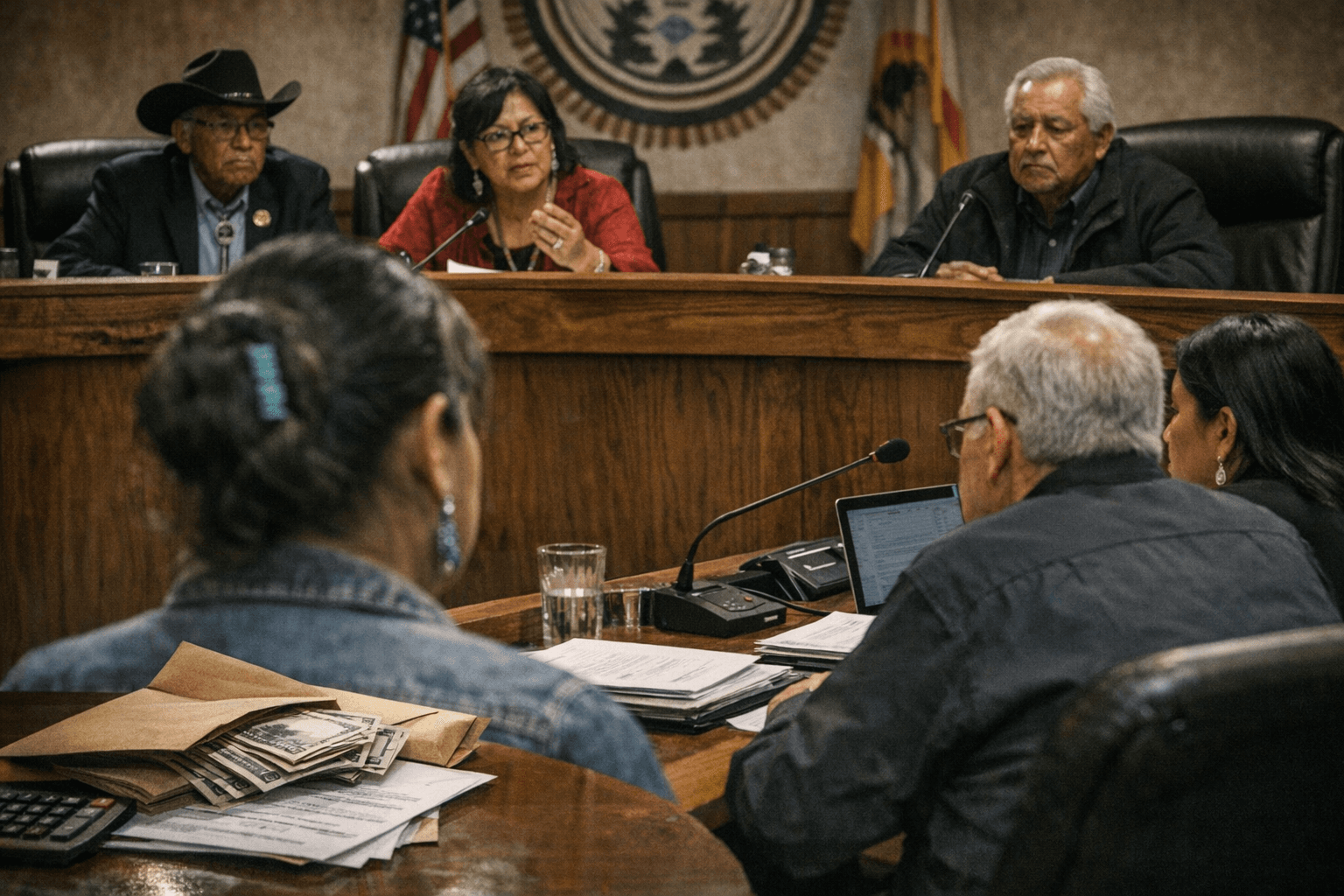
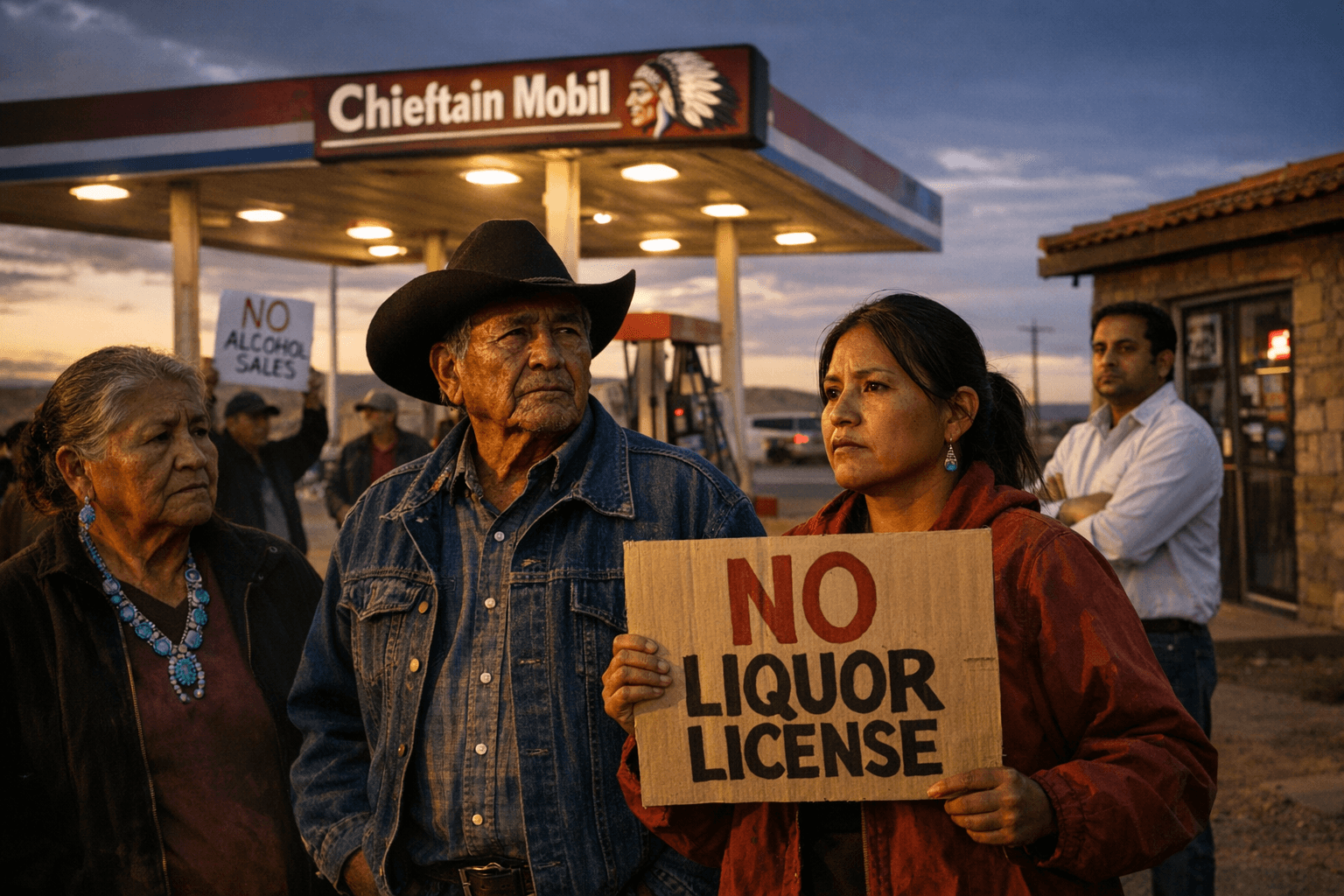
Diné community members, chapter leaders and activists are pushing the Navajo Nation Environmental Protection Agency to take aggressive action to remove radioactive waste from abandoned uranium mines across the reservation, demanding cleanup and compensation 46 years after the fallout began. Navajo EPA has signaled interest in an approach that agency officials describe as an ambitious, technology-driven cleanup strategy.
Navajo EPA director Stephen Etsitty said, "So our own statute makes it a requirement of the Navajo EPA to seek out and apply available treatment technologies," said Stephen Etsitty, the Navajo EPA director, "and we have that with the advent of high-pressure slurry ablation technology, which did come from a mining use initially. But now we’re looking to apply it to remediate your abandoned uranium mine waste." That statutory framing is central to the agency's case for evaluating the technique.
The New Mexico Environmental Law Center reported from Church Rock, N.M. that the Navajo EPA is pursuing the high-pressure slurry ablation technology to remove and treat radioactive mine waste scattered across the reservation. NMELC described the technology as originally developed for mining operations and now being adapted for environmental remediation, and it characterized the Navajo EPA effort as an ambitious strategy to address the toxic legacy of uranium mining.
Navajo Times investigative reporting has revisited the contamination and the long-running demands of local people, explicitly naming "Diné (Navajo) community members, chapter leaders, activists, federal agencies (including EPA and the U.S. Department of Energy), and public-health researchers" as stakeholders engaged in the issue. Tribal leaders and community advocates, NMELC noted, continue to demand justice, protection of sacred lands and accountability for decades of environmental harm.

Key technical, legal and program details remain to be specified publicly: the Navajo statute Etsitty referenced that obligates the Navajo EPA to seek treatment technologies; which specific abandoned mine sites across the reservation would be targeted; whether pilot projects or approvals exist for slurry ablation on tribal land; and how cleanup projects would be funded and tied to compensation for affected families. Federal agencies named in reporting include the U.S. Environmental Protection Agency and the U.S. Department of Energy, both of which play roles in remediation financing and oversight.
The New Mexico Environmental Law Center provided organizational contact information for further inquiries: P.O. Box 12931, Albuquerque, NM 87195; phone (505) 989-9022; fax (505) 629-4769; email nmelc@nmelc.org. NMELC lists its mission as, "Our mission is to protect New Mexico's communities and their air, land and water in the fight for environmental justice." As discussions about technology, sites and compensation continue, Diné leaders and the Navajo EPA have placed a statutory mandate and high-pressure slurry ablation at the center of an evolving cleanup debate.
Sources:
Know something we missed? Have a correction or additional information?
Submit a Tip