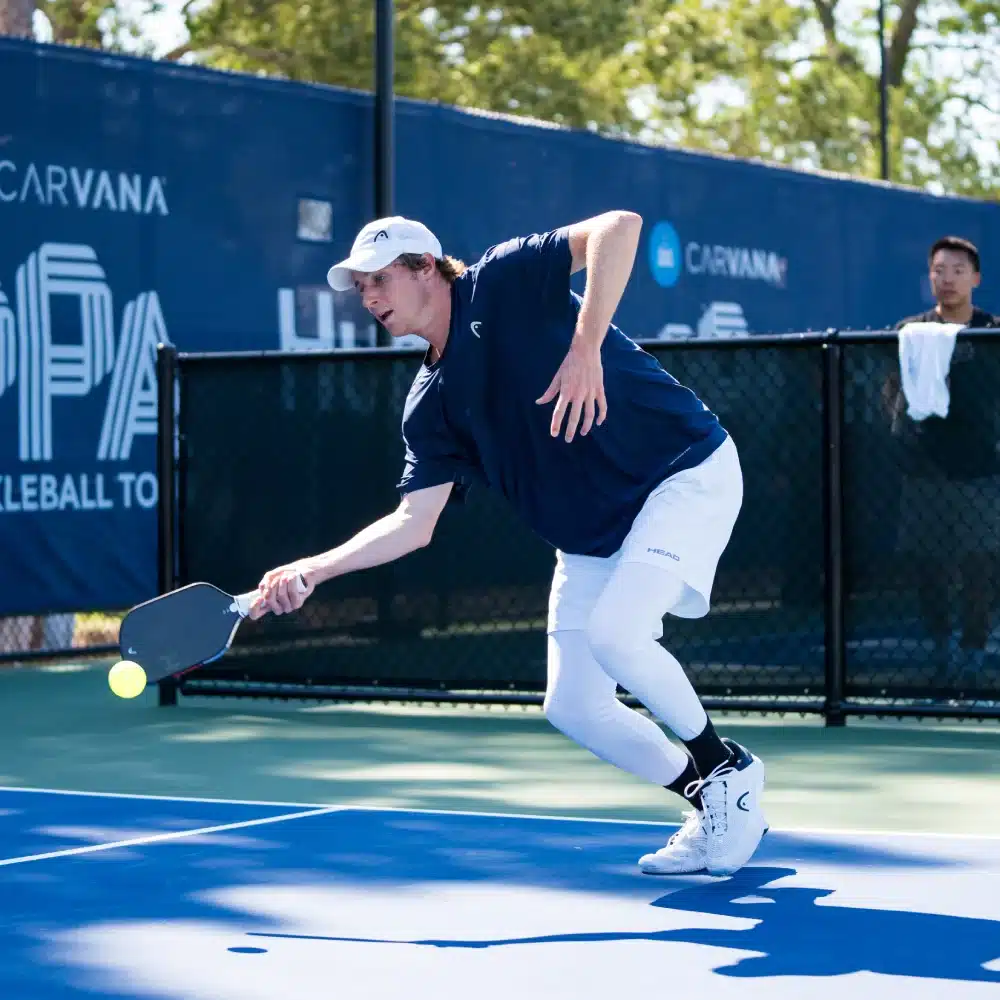
Dinking Mastery Essential for 3.0-to-4.0 Players at Retreats
Mastering the dink is the single most important leap for players moving from 3.0 to 4.0, and retreat clinics can deliver that progress with focused technique work and drills. This guide lays out grip and paddle position, footwork patterns, height and placement targets, spin and timed aggression, plus retreat-ready drills coaches can use immediately.

The dink defines control at the kitchen and separates steady players from those ready to move up a level. Retreat organizers and coaches can build clinic sessions around a concise set of technical cues and repeatable drills that make dinking practice both efficient and game-relevant for players progressing from 3.0 to 4.0.
Start with grip and paddle position. Use a light grip pressure and a continental grip, keeping the paddle out in front to reduce reaction time and simplify transition from defense to offense. Footwork is the foundation: stay low, adopt a one-step-and-reset pattern between shots, and practice split-step timing to improve balance and readiness for directional changes.
Control over height and placement is the next priority. Aim for low dinks in the 6 to 12 inch window over the net; that range minimizes opponent reaction time while remaining recoverable. Vary placement across the court by targeting sidelines and backhand zones, and employ cross-court dinks to create safer angles and more margin for error.
Spin and shot variety make dinking unpredictable. Practice both topspin and backspin dinks so opponents cannot anticipate pace or bounce. Mix spin types within drills so players learn to adjust wrist and paddle face quickly. Timed aggression matters: train players to recognize pop-ups and move from steady dinks to controlled attack shots. Practice punching higher balls while maintaining placement control so offensive opportunities become reliable, not reckless.

Defense at the kitchen deserves equal attention. Under pressure, emphasize resetting techniques and blocking hard drives into consistent kitchen dinks rather than swinging for winners. That reset mentality keeps points alive and creates opening opportunities later in the rally.
For retreat programming, use drills that scale with skill. Partner dinking routines develop touch and consistency. Target dinking with cones or tape enforces placement. Pressure feeds that force resets under realistic pace build decision-making, and cross-court-only point drills require precision and reinforce safer angle play. Structure sessions to move from technical drill work to controlled pressure points and then short competitive play to solidify learning.
These elements give retreat coaches a practical, plug-and-play dinking curriculum that supports measurable player improvement. Teach the mechanics, layer in footwork and spin, and finish with pressure-based drills to turn technical gains into match-ready skills.
Know something we missed? Have a correction or additional information?
Submit a Tip