DipIt Explains Zenithal Highlighting: Top-Down Lighting for Miniatures
DipIt at The Army Painter breaks down zenithal highlighting, showing how top-down priming creates instant highlights and natural shadows to simplify basecoating and shading.
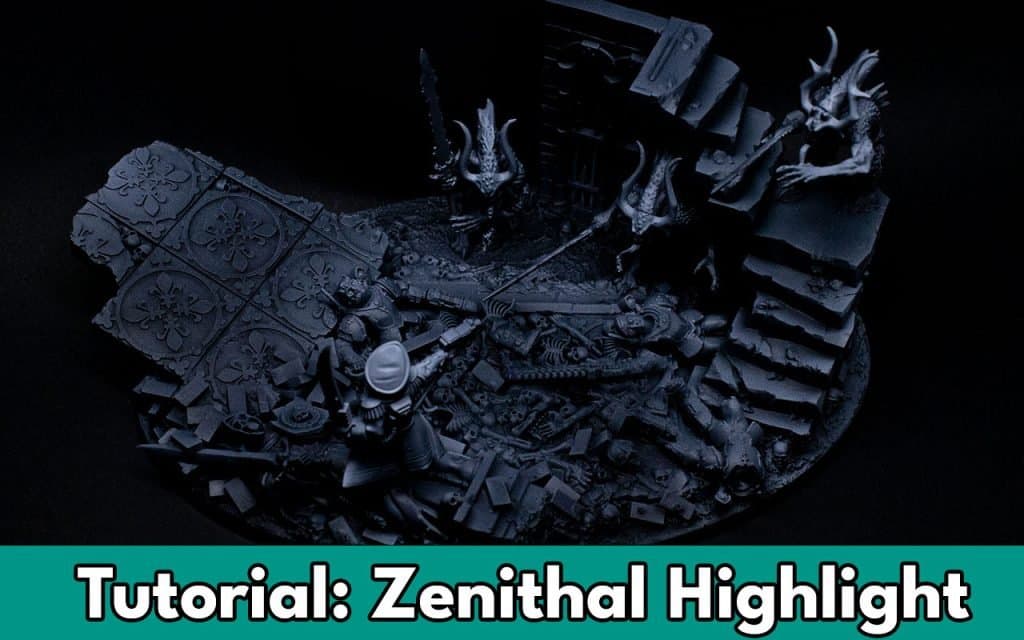
DipIt at The Army Painter laid out a simple explanation of zenithal highlighting and why it matters for miniature painters. In the first instalment of DipIt’s Mini Painting Dictionary, the post opens with a direct welcome: “Hi, DipIt here. If you’ve been learning about the hobby and reading miniature painting guides and thought ‘Everyone keeps saying zenithal like I’m supposed to know what that means’, you’re in the right place. Let’s make it simple in this first instalment of DipIt’s Mini Painting Dictionary.”
DipIt gives a clear definition: “Zenithal (also called zenithal highlighting or zenithal priming / top-down highlighting) is a miniature painting technique where lighter paint is applied from above the model (or from a 45 degree angle) to mimic how light naturally falls upon objects from the sky.” The piece restates the idea in practical terms: “Zenithal: A miniature painting technique where light paint is applied from above onto a darkly undercoated mini to mimic natural lighting and shadows, often via spray cans or airbrush.” DipIt uses an image gardeners and painters know well: “Imagine your miniature standing outside at noon and the sun is directly above it.”
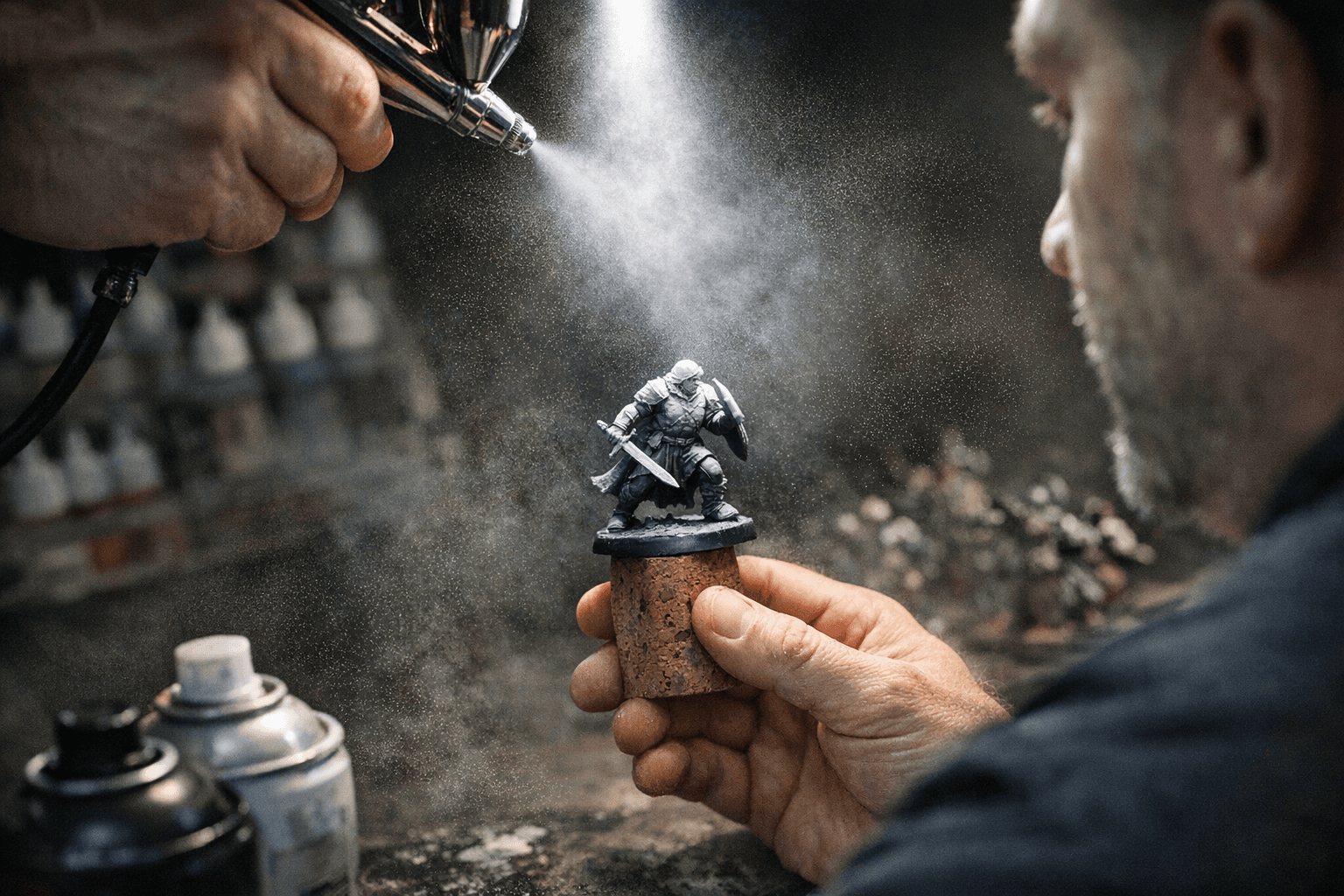
The article moves quickly into workflow and the immediate payoff. DipIt notes that “Most painters do this by priming:” and explains the common primer method captured elsewhere in hobby tutorials: “What they do is prime their model models black, and then they take a white primer and spray it top down onto the model. What this does it lightens the areas of the model in a natural way as the sun would hit it. That gives you a guide to use as you paint your miniature.” The Army Painter copy adds that “This creates instant highlights on raised areas and natural shadows in recesses.” Tools named as fit include spray cans and airbrush, and The Army Painter offers a kit: “If you want a simple, reliable way to try zenithal priming, our Zenithal Primer Bundles are designed specifically for this technique. They pair dark and light primers that work together, so you can focus on light direction, not fighting materials.”
DipIt and linked hobby fragments put zenithal in context with other approaches. “Black and White Zenithal Is Common (But Not Required),” the article says, and it contrasts zenithal with edge highlighting and Games Workshop techniques: “There’s a few approaches to highlighting. Some people like to edge highlight everything. It’s not a realistic approach, but it is visually interesting and draws the eye.” By comparison, the captured fragment argues that an ‘eavy Metal style “isn’t very realistic where creating highlights and shading based on zenithal lighting is.” The notes also define layering as “applying a layer of paint over another layer of paint, typically leaving some of the previous layer showing.”
DipIt points readers at community resources and quick extras. A sidebar fragment recommends Ron at From the Warp while noting the site is “a now defunct blog,” and a community creator adds: “I do have a tutorial on creating your own wet palette as well.” DipIt closes the piece stressing practical purpose: “Zenithal isn’t about being fancy. It’s about helping your miniature make visual sense.” The final encouragement reads, “If it helps you paint with more confidence and less frustration, then it’s doing its job, and that makes me very happy.”
For painters wanting faster depth and clearer shading, try a dark undercoat followed by top-down light priming, experiment with a 45-degree angle, and consider pairing primers so you spend energy on light direction rather than materials. Expect cleaner basecoats and fewer guesswork highlights as you build layers and details.
Know something we missed? Have a correction or additional information?
Submit a Tip