Discord delays global age verification rollout to second half 2026
Discord pushed its planned March rollout to H2 2026 after user backlash and concerns tied to an October vendor breach that exposed ID photos.

Discord has postponed the global rollout of its planned age‑verification system, saying the phased launch originally slated for March 2026 will now take place in the second half of 2026 after intense user backlash and renewed scrutiny following a third‑party data exposure.
The company, which says it has more than 200 million active users, announced the initial “age assurance” plan in early February. The proposal would have defaulted new and existing accounts into a teen‑appropriate experience until a user could be verified as an adult. That experience would include tightened communication settings, content filtering and restricted access to age‑gated spaces. For users the system could not otherwise classify, Discord had proposed a mix of verification mechanisms, including video selfies to estimate age group, face scanning and uploads of government ID to vendor partners.
Discord emphasized that the vast majority of accounts would not be required to submit identity documents. “Over 90%” of users would not need to share an ID, the company said; conversely, it framed the remaining group as “less than 10%” who might face additional verification. Stanislav Vishnevskiy, Discord’s chief technology officer and co‑founder, wrote in a company blog post that the rollout “missed the mark” in its explanation and pledged to revise the plan.
“The way this landed, many of you walked away thinking we're requiring face scans and ID uploads from everyone just to use Discord. That's not what's happening, but the fact that so many people believe it tells us we failed at our most basic job: clearly explaining what we're doing and why. That's on us,” Vishnevskiy wrote. He also acknowledged broader public skepticism about identity collection, adding that “I get that skepticism. It's earned, not just toward us, but toward the entire tech industry. But that's not what we're doing.”
The delay follows an October disclosure that a breach at a vendor used by Discord may have exposed sensitive files, including government ID photos, for as many as about 70,000 users; other accounts described the exposure in less specific terms as affecting “thousands.” That episode became a central touchpoint for users who warned that routing verification through outside providers risks repeating past failures.
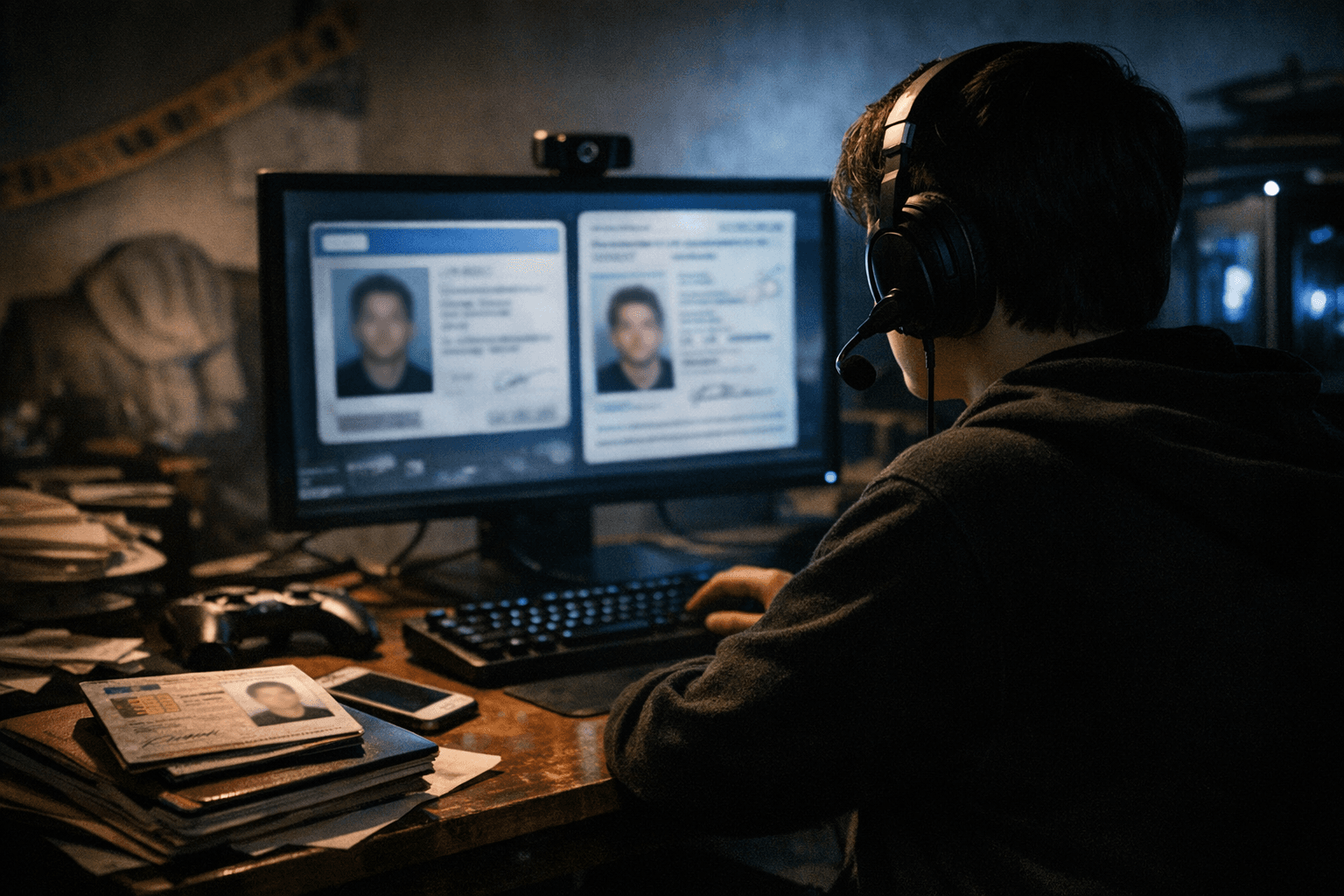
Vendor choices further inflamed criticism. Discord had publicly listed Persona as a partner in its initial materials; Persona is backed by an investment firm co‑founded by Peter Thiel and has attracted scrutiny for ties critics say link it to Palantir and government contracting. Discord said it ran a limited Persona test in the U.K. and that test has concluded, and the company said it no longer works with the vendor involved in the October breach.
Discord said it will “implement feedback” and make changes to the proposal before resuming a global launch, and that it will continue to meet jurisdictional legal obligations for age verification in places that require them. The company has not provided a firm H2 launch date or published technical details about which verification methods will remain in use, how it will identify the minority of accounts that must verify, or which vendors it will engage going forward.
Those gaps leave unresolved questions for regulators and privacy advocates about whether a platform of Discord’s scale can balance child‑safety mandates with meaningful privacy protections. Even if fewer than 10% of users require ID checks, that fraction of a 200‑million user base still could mean millions of people face new verification processes, a point that underscores why vendors, technical design and public explanation will be central to the next phase of the company’s plan.
This article was produced by Prism’s automated news system from verified source data, official records, and press releases, then run through automated quality and moderation checks before publishing. The system is built and supervised by the people who set the standards it runs under. Read our full AI policy.
Did this article answer your question?

