Discord rolls out end-to-end encryption for voice and video calls
Discord locked voice and video calls behind end-to-end encryption, but text messages stayed outside the new shield.
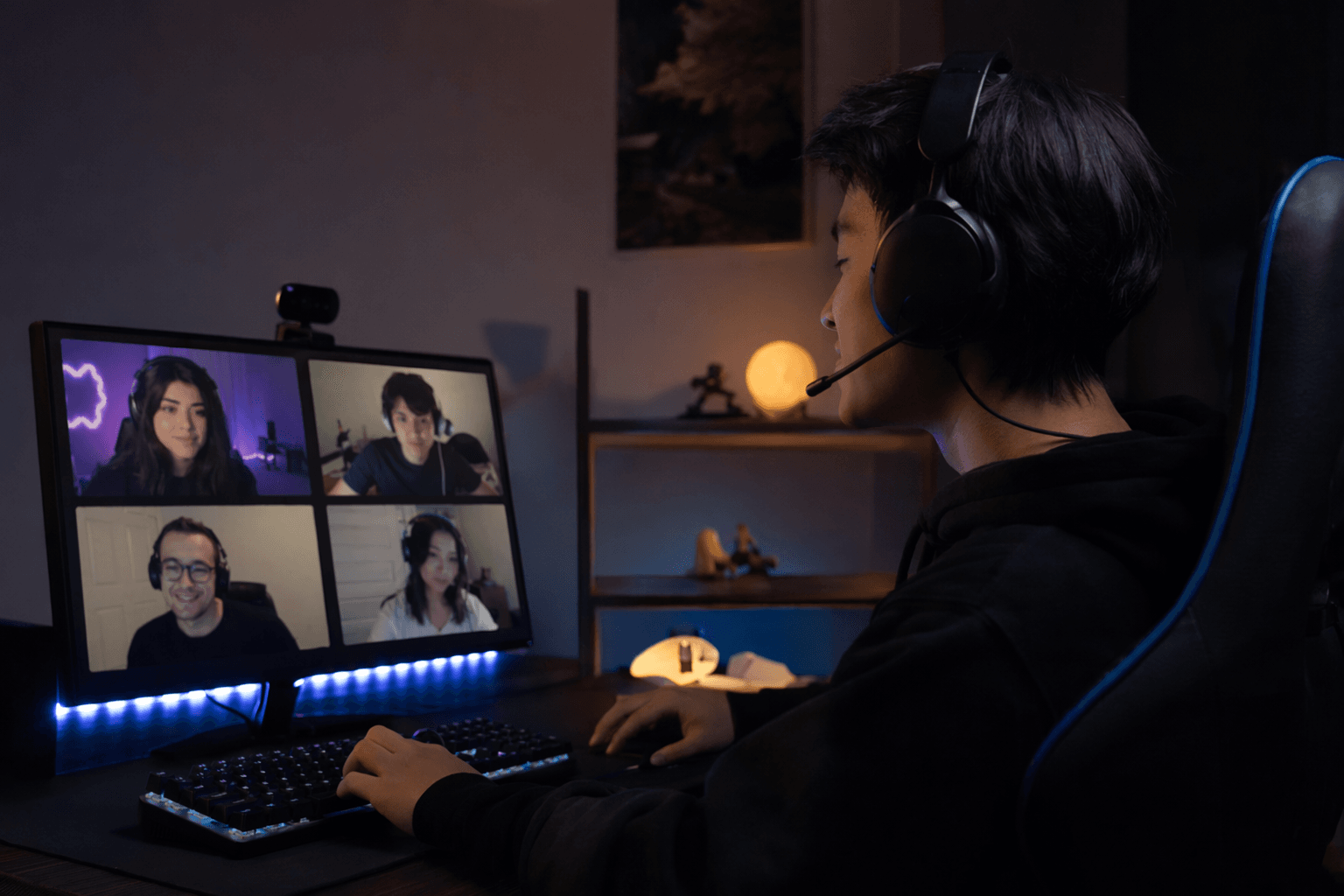
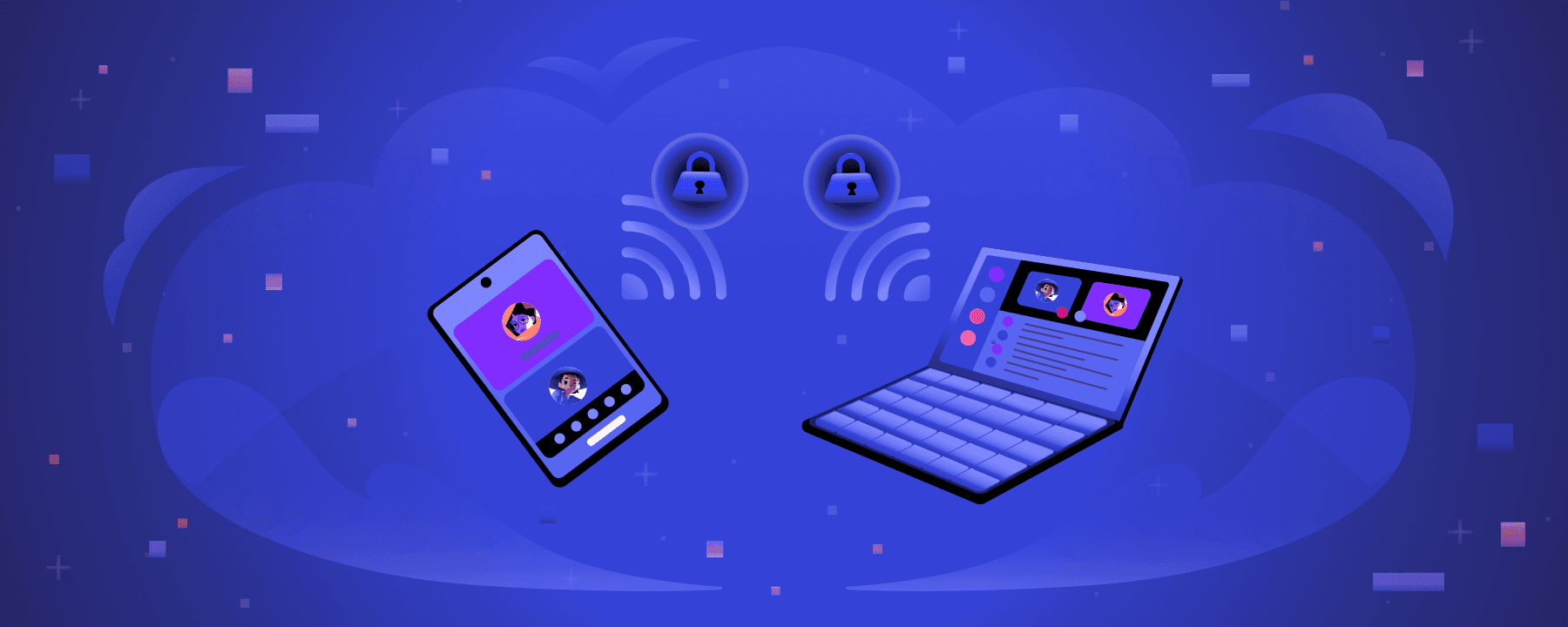
Discord moved the audio and video in direct messages, group DMs, voice channels and Go Live streams into end-to-end encryption, extending the lock to a platform that says it serves roughly 200 million people a month. Desktop and mobile calls between updated clients were encrypted automatically, and Discord said no one outside the call, not even Discord, could access the media encryption keys.
The company said the system uses DAVE, short for Discord Audio & Video End-to-End Encryption. Discord Support said all audio and video conversations on the platform required end-to-end encryption starting March 2, 2026, and users on unsupported clients could not join voice calls, video calls or Go Live streams until they updated. Discord also added an in-call green lock icon and a Privacy tab with a Voice Privacy Code so participants could compare codes and confirm the connection.
The strongest privacy gain is narrow but important: the content of live speech and video is now shielded. The rest of Discord is not. Discord said messages on the platform are not end-to-end encrypted, which leaves text chat outside the new protection even as voice and video move behind it. That distinction matters for moderation and for investigations. When the call itself is encrypted, abuse that plays out in real time becomes harder to review after the fact, and the platform and outside authorities are left with less direct access to what was said or shown in the moment.
Discord framed the change as part of a broader privacy push, but it was also a major infrastructure shift. Discord Developer Documentation said clients had to be updated, and older voice-gateway versions were being phased out. The company first said in 2024 that it was working on voice and video encryption for DMs, group DMs, server voice channels and Go Live streams, then said it had begun testing protocols meant to preserve quality and avoid added latency in large calls.
Discord also said the DAVE protocol and client libraries were being released publicly, and that Trail of Bits reviewed both the design and the implementation. For users, the benefit is straightforward: private live calls by default. For child-safety teams, trust and safety staff and law enforcement, the tradeoff is equally clear: the contents of voice and video are now harder to access, and more of the burden shifts to reports, account signals and other traces outside the call itself.
Know something we missed? Have a correction or additional information?
Submit a Tip