DIY bath bombs - ingredients, costs, and starter recipe for makers
Learn ingredient roles, estimated per-unit costs, equipment options, and a simple sample batch to start making or pricing bath bombs.
1. Why make bath bombs and why this guide matters
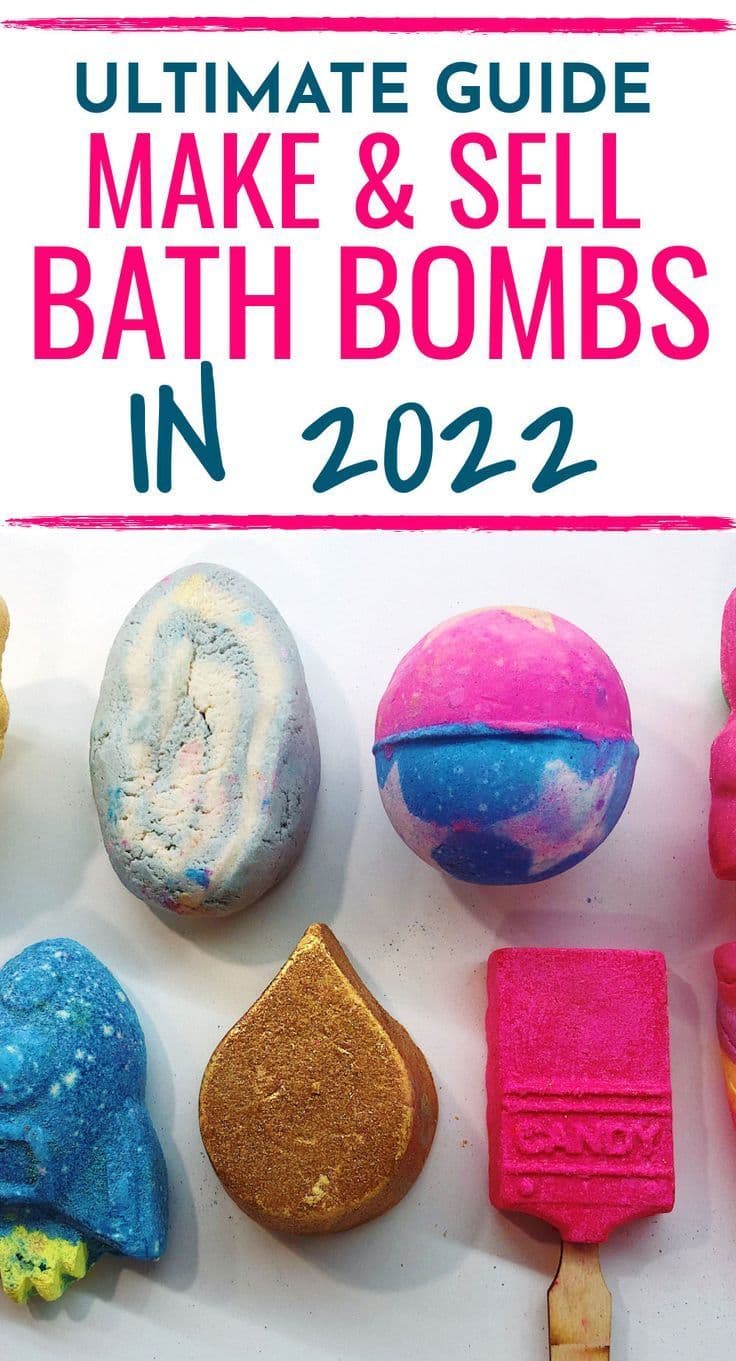
Bath bombs are a low-barrier craft with strong community appeal, giftable, seasonal, and easy to scale from hobby batches to small-run products. This guide focuses on practical value: how ingredients add up, what equipment you actually need, and how to test a new scent or color without losing your shirt.
2. Baking soda (sodium bicarbonate)
Baking soda is the fizz backbone and usually the largest weight percentage in a bath bomb formula; it provides the alkaline balance that reacts with citric acid when wet. Cost is very low per unit, bulk baking soda often works out to a few cents per bomb, so optimizing packing density and avoiding waste during mixing is the real savings lever.
3. Citric acid
Citric acid triggers the effervescent reaction and needs to be measured accurately for consistent fizz and pH balance. It’s moderately priced in bulk and contributes more to per-unit cost than baking soda; buying larger bags and storing dry will reduce variability and expense for makers testing multiple launches.
4. Oils and butters (carrier oils, coconut, shea, cocoa)
Oils and butters add skin feel and scent slip; a little goes a long way. Depending on which you choose, fractionated coconut oil for lighter feel, cocoa butter for a richer skin feel, cost per bomb can range from a few cents to several cents; for small producers, bulk tins or reseller packs reduce per-unit cost while giving product differentiation.
5. Fragrance oils and essential oils
Fragrance and essential oils are where flavor, identity, and margin meet, they’re also the biggest cost swing. Fragrance oils are usually cheaper per drop than pure essential oils, but use safe usage rates and document suppliers; for test batches, start with low milliliter doses to control spend and scent throw without wasting material.
6. Colorants (mica powders, oxides, liquid dyes)
Colorants let you create eye-catching bombs but can also stain skin or tubs if overused, mica and oxides disperse well, liquid colorants can be more intense. Small amounts deliver large visual impact; buy sample sizes when testing color combos, and factor the cost per gram into premium-priced, decorative designs.
7. Polysorbate 80 (emulsifier)
Polysorbate 80 helps disperse oils and dyes in the tub so you don’t get oily rings or streaks, critical when using fragrance oils or mica that might cloud the water. It’s not needed in every recipe, but when used it raises per-bomb cost only marginally and improves customer experience, reducing complaints about tub staining.
8. Witch hazel (or other binder spritz)
Witch hazel is the go-to binder spritz to hold packed bath bombs together without triggering fizz; cheap and effective, alcohol-free options are gentler. Use a fine mist and keep the mix just damp enough to hold shape, over-spritzing activates the fizz and ruins a batch, which equals wasted ingredient cost.
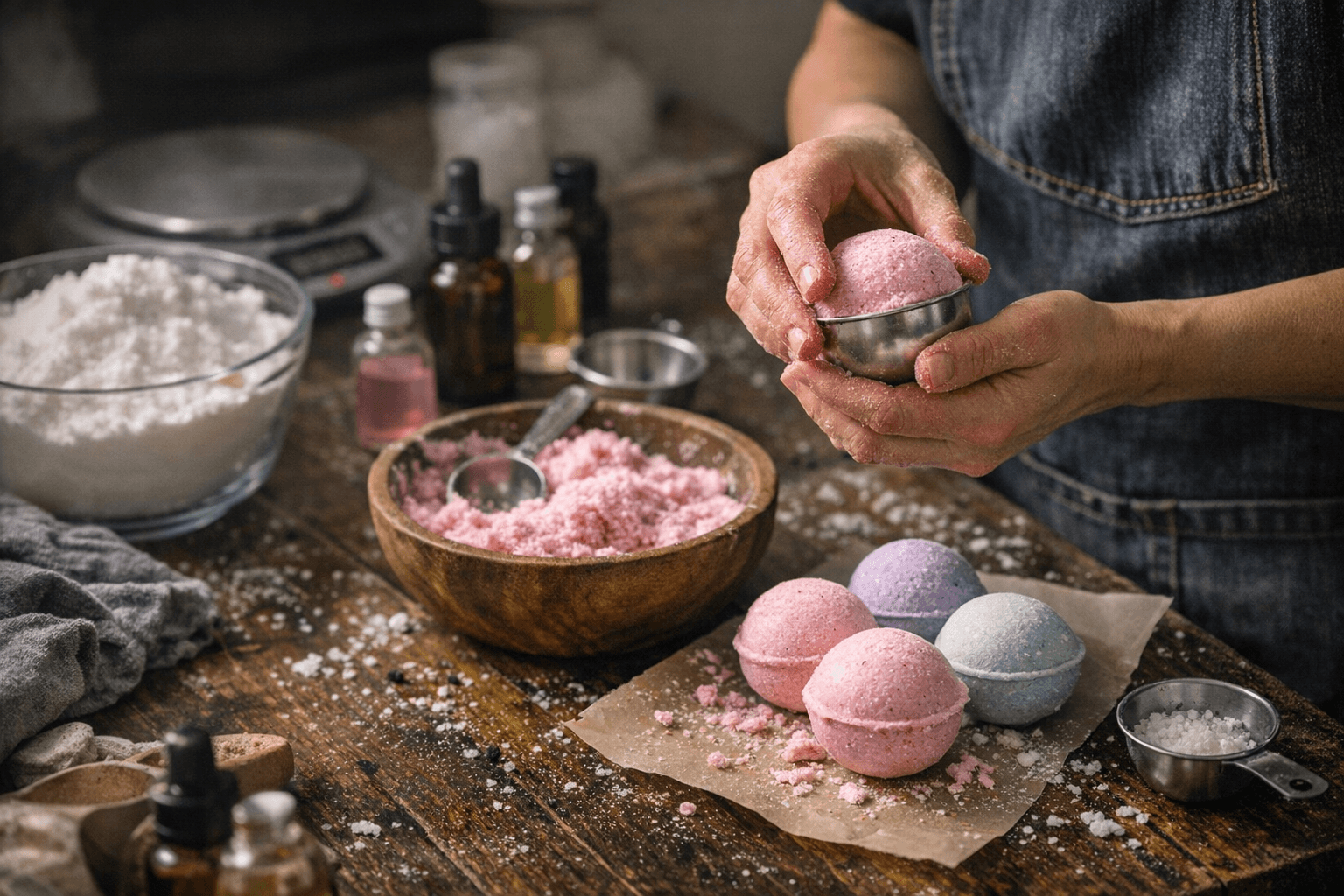
- Ingredients: 1 cup baking soda, 1/2 cup citric acid, 1/2 cup cornstarch (optional for creaminess), 2–3 tablespoons carrier oil (coconut or sweet almond), 10–20 mL fragrance or essential oil total, colorant to preference, a few mL polysorbate 80 if using, witch hazel in a spray bottle.
- Method: Mix dry ingredients thoroughly, whisking out clumps. Slowly add oils, fragrance, and any polysorbate 80 while stirring; test texture by squeezing, mixture should hold shape. Pack firmly into molds and let dry 24–48 hours; unmold gently and cure in a dry space before packaging.
9. Sample batch recipe and method (simple beginner batch)
This sample makes about 12 medium bath bombs and balances cost, feel, and ease.
10. Equipment and kit options
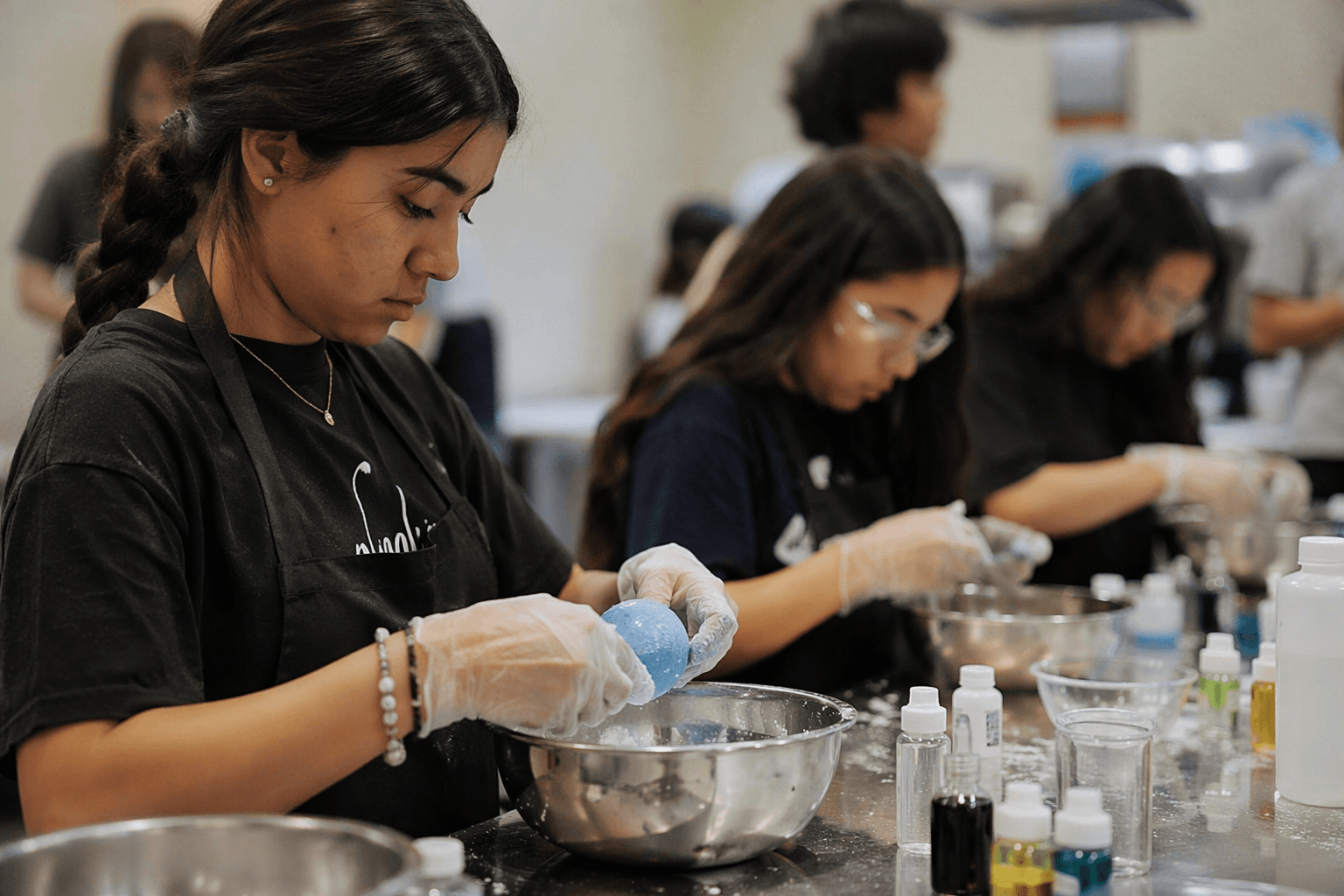
You don’t need pro gear to start, basic equipment includes accurate digital scales, mixing bowls, a whisk, silicone molds or metal bath-bomb molds, a spray bottle for witch hazel, and gloves for handling colors and fragrances. For hobbyists testing retail kits, ready-made kits bundle pre-measured ingredients and molds and are great for workshops or craft fairs; small producers should invest in scales and airtight storage to control batch-to-batch variation.
11. Per-unit cost estimates and margin considerations
Per-bomb ingredient cost typically ranges from about $0.20 on the ultra-basic end to $1.00+ for luxury formulas with expensive essential oils or butters; packaging, labor, and overhead often double or triple that baseline. When testing pricing, calculate ingredient cost per bomb, add pro-rated packaging and labeling, and budget time-based labor, small producers frequently target retail price points of $4–$12 depending on design and market.
12. Project pages and further step-by-step resources
When you want a deeper hands-on tutorial, look for project pages like Lavender Bath Truffle that include step-by-step photos, variants (bath truffle vs. classic bomb), and shopping lists for ingredient links and suppliers. Those pages are perfect for community swaps, recipe riffing, and planning seasonal runs without reinventing the wheel.
13. Troubleshooting and community-tested tips
Common issues, crumbly bombs, premature fizzing, or flat dye, are mostly moisture, humidity, or packing problems; keep ingredients dry, measure by weight when possible, and pack molds firmly. Community trade secrets: weigh batches to scale recipes, store citric acid in airtight containers, and run small “scent tests” before committing expensive fragrances to full runs.
Our two cents? Start small, track costs per bomb, and treat each test as market research: a prettier, better-scented bomb can earn a premium, but consistent production and smart packaging sell more than a flashy one-off. Take your favorite scent combo, make a dozen, and gift them, feedback from friends and neighbors is the most valuable testing lab you’ll find.
This article was produced by Prism’s automated news system from verified source data, official records, and press releases, then run through automated quality and moderation checks before publishing. The system is built and supervised by the people who set the standards it runs under. Read our full AI policy.
Know something we missed? Have a correction or additional information?
Submit a Tip