DIY Single Bath Bomb Recipe with Exact Measurements and Troubleshooting
A repeatable single 2–3" bath bomb recipe scaled for one mold with exact measures, a short troubleshooting checklist up front, and safe storage and gifting tips.
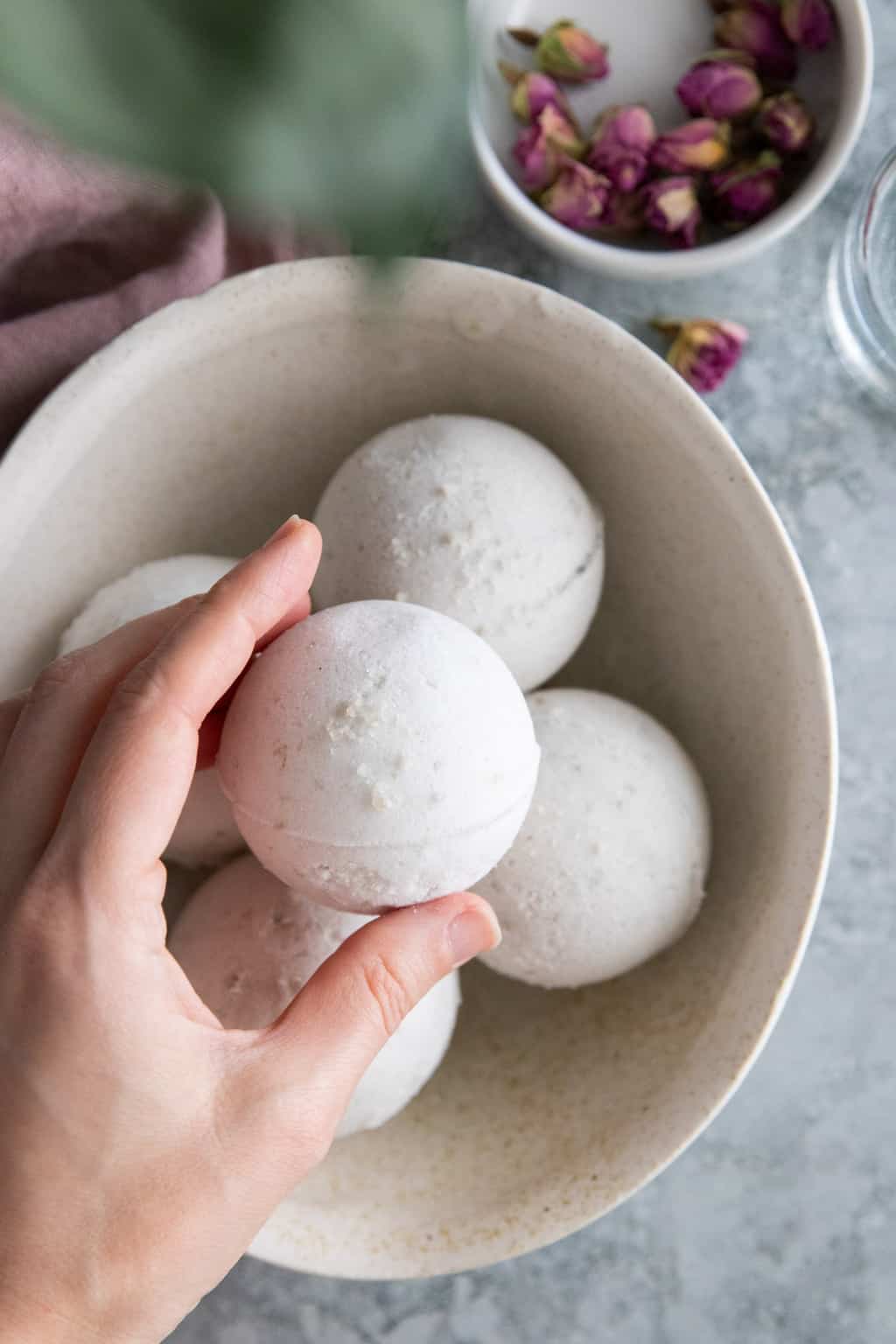
- If the mix fizzes while you’re blending, it’s too wet, add 1–2 g extra baking soda and citric acid, then reblend and test by pressing a pinch; it should hold shape.
- If your bomb crumbles after unmolding, you under-compressed or used too little oil, add 1–2 g carrier oil to the next batch and press firmly into the mold.
- For skin-safe fragrance use 4–8 drops of essential oil or 0.3–0.6 g of cosmetic fragrance oil per single 2–3" bomb; stay under 1% dilution for most adults.
- Cure on a flat, dry surface for at least 24 hours; if humidity is above 60%, extend cure to 48 hours or use a dehumidified room.
Quick troubleshooting & safety (read before you mix)
1. Exact ingredient list for one 2–3" (approx. 2.5") bath bomb
Scale and exactness matter for repeatability: use a digital scale for grams. For a single, firm 2–3" spherical or half‑sphere mold, weigh: 60 g sodium bicarbonate (baking soda), 30 g citric acid, 12 g cornstarch, 8 g Epsom salt, 5 g carrier oil (fractionated coconut or sweet almond), 6 drops essential oil or 0.4 g fragrance oil, and up to 0.5 teaspoon witch hazel or water added as a fine spritz. These numbers aim for a typical 2:1 baking soda to citric acid ratio that produces steady fizz; the cornstarch softens the effervescence and improves binding, while Epsom salt adds a bath feel.
2. Equipment you’ll need and why each matters
Use a digital scale accurate to 0.1 g for consistent single‑bomb results, tablespoon measures will introduce too much variance in small batches. Have a 2–3" metal or hard plastic two‑part mold (2.5" spherical is standard), a small whisk, two mixing bowls, a spray bottle for witch hazel, disposable spoons or spatulas, and gloves if you’re using fragrance or colorants. A small funnel or pipette helps with precise drops of essential oil; a flat tray and parchment for curing keeps bombs dry and prevents sticking.
3. Step-by-step mixing and dry-blend technique
1. Combine dry ingredients: weigh and sift together 60 g baking soda, 30 g citric acid, 12 g cornstarch, and 8 g Epsom salt into a bowl to remove clumps and ensure uniform texture. Sifting removes lumps that cause premature fizzing and helps the final bomb bind evenly.
2. Mix thoroughly: whisk the dry blend for 45–60 seconds to evenly distribute the cornstarch and salts, then perform a texture test by squeezing a tablespoon, it should clump but not release liquid. If it doesn’t clump, add 1–2 g more cornstarch or a light spritz of witch hazel and retest.
4. Adding oils, scent, and color without activating
1. Measure oil and scent precisely: add 5 g carrier oil and 6 drops (≈0.3–0.5 g) essential oil to a small cup; mix oil with 1–2 drops of liquid color if using liquid dyes, or pre-blend powdered color in the carrier oil. Using oil as the solvent keeps scent localized and prevents over-wetting with water-based liquid.
2. Introduce the oil slowly: drizzle the oil/scent mixture over the dry blend while whisking constantly to distribute thinly, this prevents localized activation. For bright colors, split the mix and color one half, or use mica/pigment sparingly (0.1–0.2 g) to avoid staining skin.
5. Binding, molding, and compression technique
1. Final binder spritz: using a fine mist spray bottle, spritz witch hazel (or 70% isopropyl if you prefer) no more than 4–6 short bursts total while stirring; the mixture should feel like damp sand that clumps under pressure. Over‑spraying causes fizzing in the bowl, if that happens, add 2–4 g extra baking soda and whisk to absorb moisture.
2. Pack and compress: fill each half of the 2–3" mold, overfill slightly, then press halves together firmly and hold for 20–30 seconds to compact. For a denser bomb, press the mold against a flat surface while holding to increase compression; inadequate compression is the most common reason for crumbling after curing.
6. Drying, curing, and expected timing
Cure bombs on a flat tray lined with parchment or a silicone mat at room temperature (20–22°C) away from humidity. Expect a minimum of 24 hours for a 2–3" bomb; in humid conditions (above 60%) extend to 36–48 hours to reach full hardness. Flip the mold gently at 12 hours if you see uneven drying; full scent development improves after 48–72 hours when any residual solvent evaporates.

- Mixture fizzing in bowl: mixture too wet, add 2–4 g baking soda and citric acid, re-whisk, and retest texture.
- Bomb cracks after unmolding: under-compressed, for next bomb add 1–2 g carrier oil and pack the mold with greater pressure, holding for 20–30 seconds.
- Bomb soft or tacky after cure: humidity prevented drying, move to a drier room or use a desiccant for 24–48 hours; next batch reduce liquid binder spritzes to 3–4 short bursts.
- Weak or short fizz in bath: too much cornstarch or not enough citric acid, for a livelier fizz raise citric acid by 5–10% next batch (e.g., from 30 g to 33 g) and reduce cornstarch by 1–2 g.
- Skin irritation: lower fragrance to 2–4 drops or switch to skin‑safe essential oils; rinse skin after use and label accordingly if gifting.
7. Troubleshooting checklist (compact, test-based fixes)
8. Color, additives, and safety notes
Use cosmetic-grade mica or FDA-compliant pigments and limit pigment to 0.1–0.3 g per single bomb to prevent tub staining. If adding botanicals (dried flower pieces), press them into the exterior after unmolding rather than embedding in the core to avoid mold growth during cure. Always label bombs that contain allergens (nuts, coconut oil) and keep children’s bombs milder: under 4 drops of fragrance and neutral color.
9. Storage, shelf life, and packaging for gifting or sale
Store in an airtight container or shrink wrap to preserve fizz; a single 2–3" bomb stored in a sealed zip bag with silica gel will keep peak performance for 6–12 months at room temperature. For gifting, a simple kraft box with tissue and a $3–$8 retail presentation fits most craft-market price expectations for a single artisan bomb, include a tag with ingredients, allergen warnings, and suggested use (place in running water; do not ingest).
10. Small-batch testing and repeatability tips
Track each test batch with a simple log: date, weight of each ingredient in grams, mold size (2.5" noted), number of spritzes, compression time, room humidity, and final cure time. Reproducible results come from controlling those five variables; aim to keep the baking soda/citric ratio and total moisture steps identical between runs. After three consistent tests with the same weights and cure time you’ll have a reliable baseline for scaling recipes up.
Final note from my bench: treat the single‑bomb recipe as a lab experiment, weigh precisely, control moisture, and note humidity. With the 60 g/30 g/12 g base for a 2–3" mold you’ll get a predictable fizz and a compact surface for packaging or gifting.
Know something we missed? Have a correction or additional information?
Submit a Tip