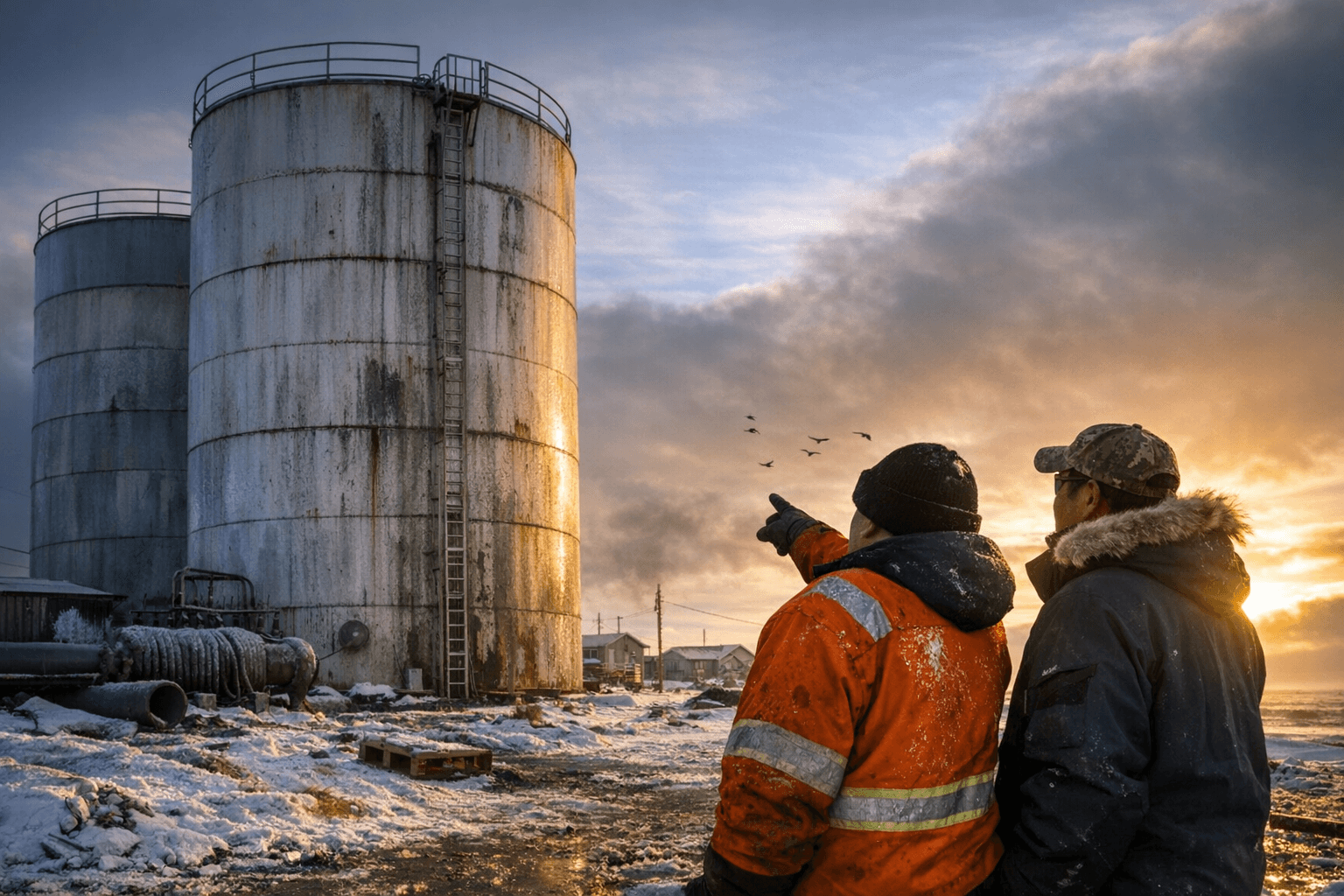
DNR opens North Slope east, west coastal areas for winter tundra travel
DNR opened east and west coastal areas on the North Slope for winter off-road tundra travel, allowing authorized industrial work while aiming to protect tundra vegetation and ground.
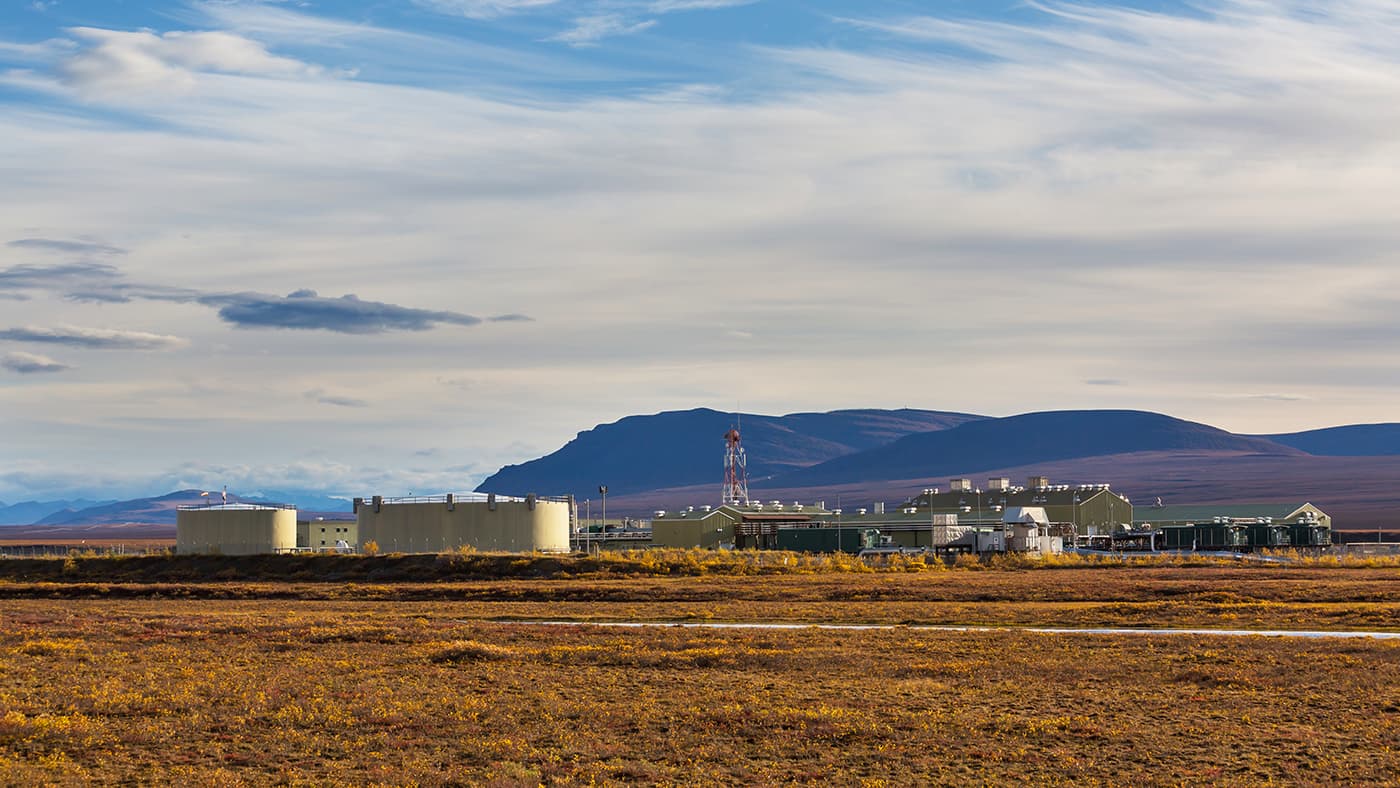
The Alaska Department of Natural Resources, Division of Mining, Land & Water, has opened both the western and eastern coastal areas of the North Slope for winter off-road tundra travel, clearing the way for authorized industrial activity on the coastal plain. The western coastal area was opened Dec. 31, and the eastern coastal area was opened Jan. 9 based on measurements of soil temperatures and snow cover that protect tundra vegetation and ground.
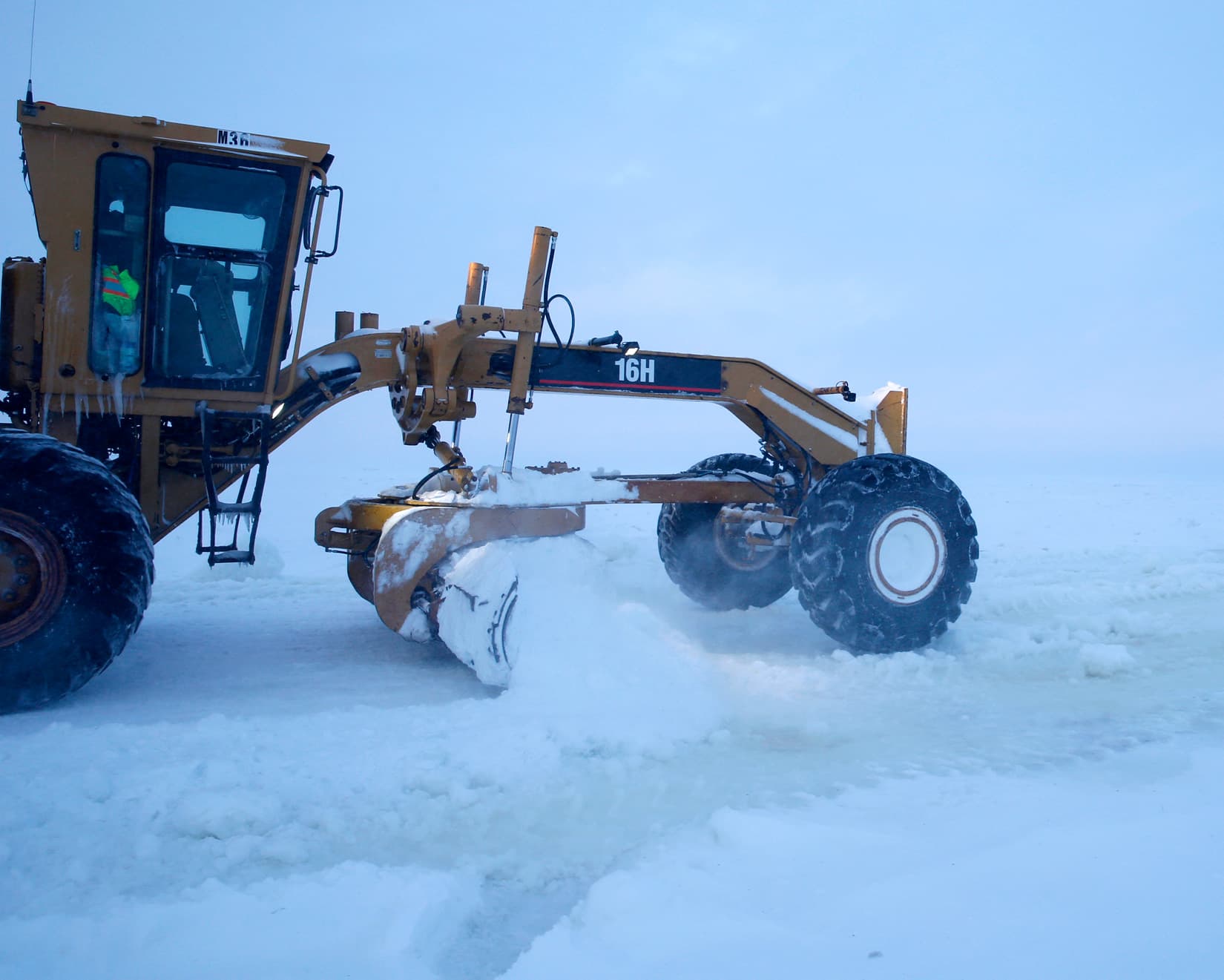
These area openings apply to industrial activities that rely on winter access, such as gravel hauling, field development and construction of winter roads. The DNR issues periodic notices of area openings and closures to prevent damage to sensitive tundra, ensuring that equipment moves only when ground and snow conditions minimize impacts to vegetation and permafrost.
For North Slope communities and operations, the openings restore a predictable winter window for logistics. Winter tundra travel enables delivery of supplies, movement of heavy equipment and continued work on field infrastructure during months when frozen surfaces provide safer travel than summer tundra. Contractors who run haul roads, gravel trains and winter road networks will be watching DNR conditions closely to schedule moves while remaining within authorized areas.
The decision balances economic and operational needs with environmental protections. By tying access to soil temperature metrics and snow cover, the DNR seeks to reduce rutting and vegetation damage that can have long-term effects on drainage and permafrost stability. Those protections also matter to people who rely on the land for subsistence and local travel, since preserving tundra surfaces helps maintain habitat and the routes families use in winter.
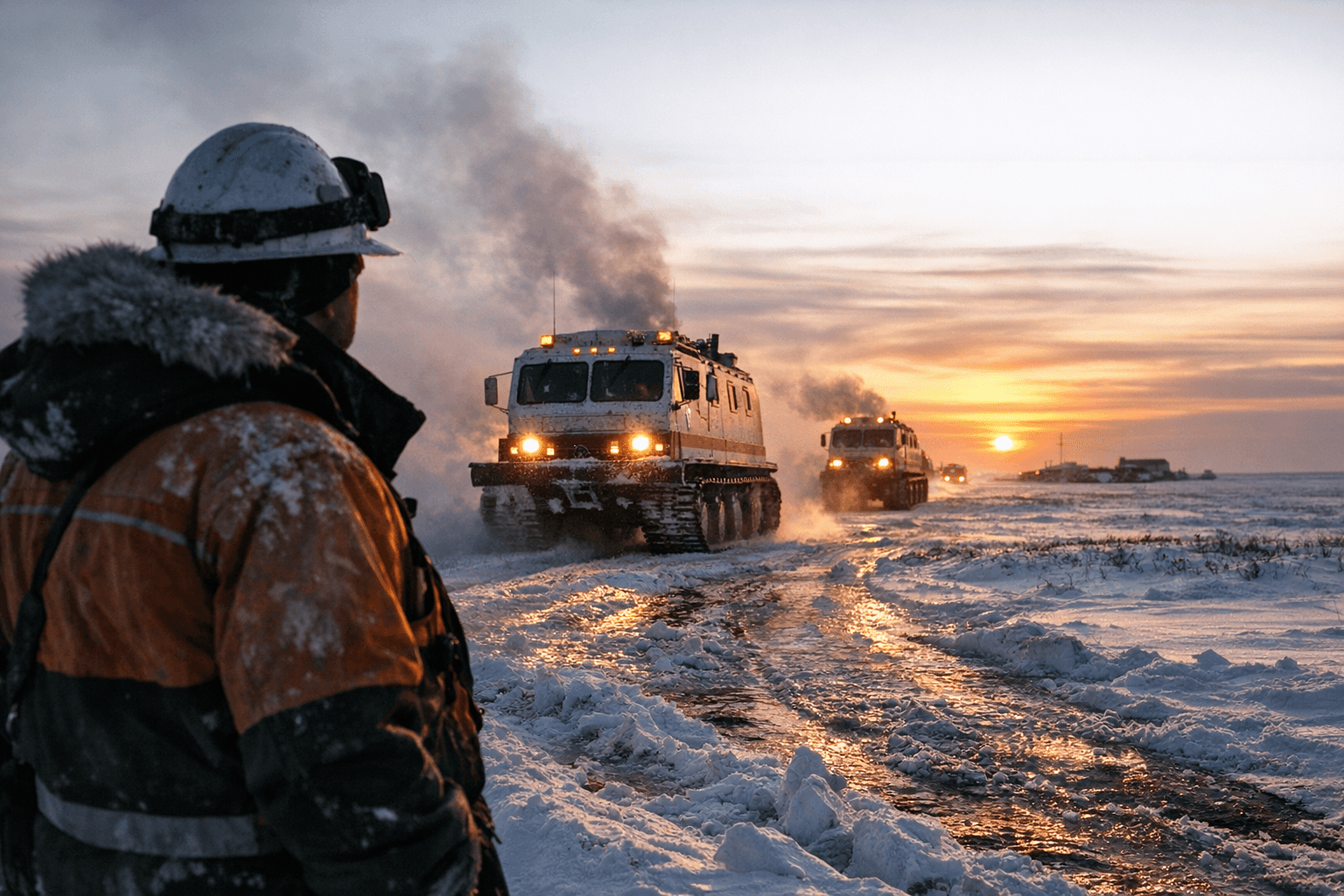
Local governments and operators should plan for increased industrial traffic on access routes coming out of staging areas and gravel pads now that the coastal plain openings are in effect. Permits and authorizations remain in force; only authorized off-road travel is allowed in these opened areas. Conditions can change rapidly with weather and thawing, so expect the DNR to update area status as soil and snow conditions evolve.
What this means for residents is practical: a likely uptick in winter convoy activity and resumption of projects delayed by earlier closures, alongside continued emphasis on monitoring and enforcement to protect the landscape. Residents and local authorities should track DNR notices for changes to openings and closures so community planning, subsistence timing and road safety measures can adapt as the season progresses.
Sources:
Know something we missed? Have a correction or additional information?
Submit a Tip