Doctor and Former Insurance Executive Face Off on Healthcare Costs
Prior authorization delays harm 94% of physicians' patients and cost billions; a doctor and insurance exec reveal why incentives, not bad actors, drive the gap.
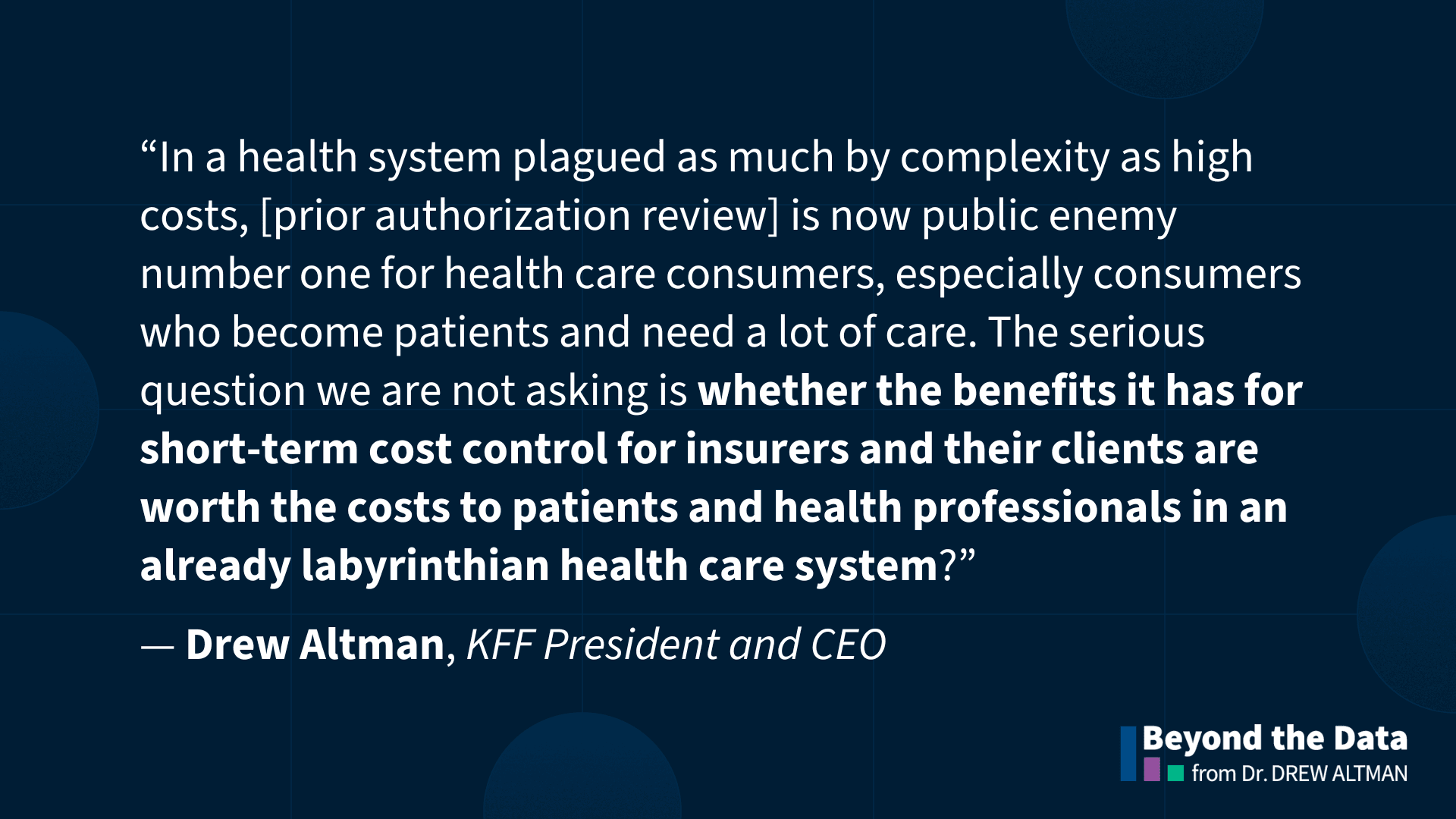
When a physician and a former insurance executive sit down to explain American healthcare costs, the conversation quickly stops being about villains and starts being about architecture. The system's most damaging outcomes, they agree, flow not from malice but from misaligned incentives built into prior authorization rules, reimbursement schedules, and the math of risk pools.
A recent AMA survey found that 94% of physicians reported prior authorization resulting in care delays, with 78% saying it could lead to the outright abandonment of treatment. From the physician's side of the table, that number is a daily reality. From the insurer's side, it is the friction designed to prevent overuse in a market where U.S. specialty drug spending is projected to hit $420 billion.
The MRI is the clearest illustration of how these pressures collide at the patient level. In one documented North Carolina case, an insurer considered a physician's MRI request for two weeks before denying it as not medically necessary and ordering the patient to complete six weeks of physical therapy first. Her cancer spread during the delay. The insurer was following actuarial logic: imaging is expensive and frequently ordered; step therapy and prior review reduce unnecessary utilization. The physician was following clinical logic: imaging was the fastest path to a diagnosis. Neither actor was irrational given the rules each operates under.
A Johns Hopkins review found that restricted prior authorization of certain anticoagulants raised the risk of stroke or bleeding, while delays in outpatient antibiotic approvals prolonged hospital stays, raising costs and exposing patients to additional risks. The paradox the executive cannot easily dismiss: the administrative cost of the denial sometimes exceeds the cost of the treatment it was meant to prevent.
Prior authorization approval rates for specialty drugs vary from 19% to 97.5% depending on the drug and plan, and according to a Medication Access Report, 37% of prescriptions denied because of prior authorization requirements were ultimately abandoned by patients. Abandonment is not a neutral outcome for insurers either; undertreated chronic conditions generate far higher downstream claims than the specialty drug that was denied.

On the physician side, reimbursement structures carry their own distortions. After five consecutive years of Medicare payment cuts, including a 2.83% reduction in 2025, physicians' overhead costs continue to grow faster than reimbursements. That pressure pushes practices toward higher-volume, procedure-heavy care, which in turn feeds the insurer's case for utilization controls.
Starting January 1, 2026, new federal rules require insurers to honor existing prior authorizations for 90 days when patients switch plans, a small but concrete reform targeting one of the most common points of treatment interruption. The Johns Hopkins team, through a Bloomberg Nexus-funded initiative, is convening health systems, health plans, policymakers, and quality organizations with the goal of harmonizing prior authorization rules for common conditions, with meetings running through spring 2026.
The structural reforms that could move outcomes rather than rhetoric share a common thread: they replace opaque, plan-by-plan denial decisions with transparent, evidence-based criteria applied consistently. Until the incentive to deny and the incentive to over-order are both addressed within the same reform package, the doctor and the executive will keep arriving at the same impasse, and patients will keep absorbing the cost of it.
This article was produced by Prism’s automated news system from verified source data, official records, and press releases, then run through automated quality and moderation checks before publishing. The system is built and supervised by the people who set the standards it runs under. Read our full AI policy.
Did this article answer your question?