Doctor’s hantavirus test turns negative after cruise ship outbreak scare
A Bend, Oregon doctor who first tested positive for hantavirus later tested negative twice, underscoring how a false alarm can amplify fear in a fast-moving outbreak.
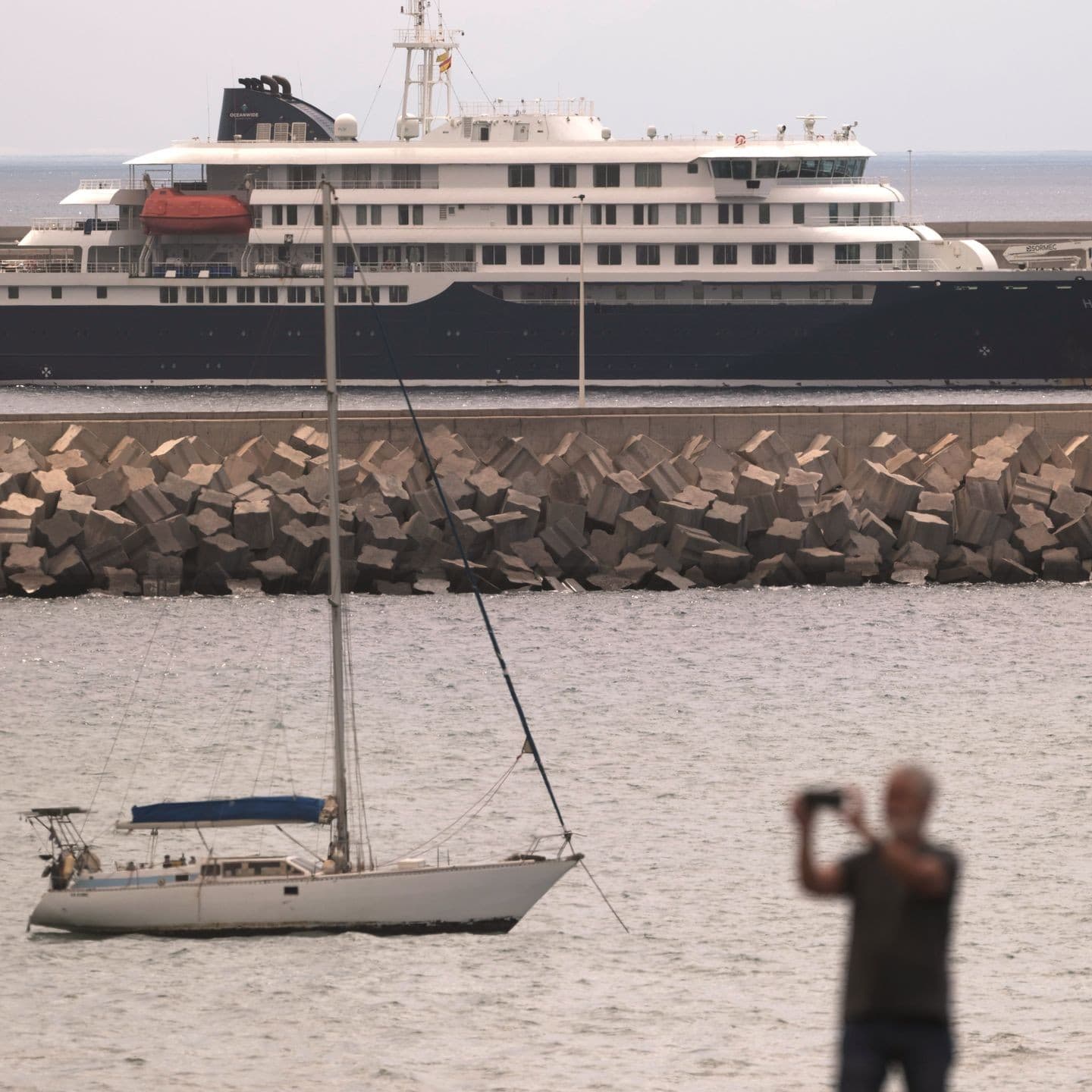
A false positive briefly pushed one American passenger from a cruise ship outbreak into a high-security Nebraska biocontainment unit, then back out again. Dr. Stephen Kornfeld of Bend, Oregon, later tested negative for hantavirus and said, “there’s no evidence that I’ve had hantavirus,” after an initial result sent him to the University of Nebraska Medical Center for monitoring.
Nebraska’s medical team said the first test was likely a false positive. Kornfeld, who had been evacuated from the M/V Hondius after a hantavirus scare on board, was later cleared to move into Nebraska’s quarantine unit with other passengers at the National Quarantine Unit inside UNMC’s Davis Global Center. He said he felt well and had felt great for many days, and that the illness he experienced on the ship, sweats, fatigue, cough, sore throat and other upper-respiratory symptoms, was more likely a routine viral infection or “the ship flu.”
The episode has become a case study in how uncertain early results can shape public alarm. The cruise ship cluster involved Andes virus, a form of hantavirus that can cause hantavirus pulmonary syndrome and, unlike most hantaviruses, has rare person-to-person transmission potential. The Centers for Disease Control and Prevention said the overall risk to the American public remained extremely low and that no Andes virus cases had been confirmed in the United States from the outbreak as of May 12. Still, the initial positive test triggered specialized isolation, repatriation planning and close federal coordination.
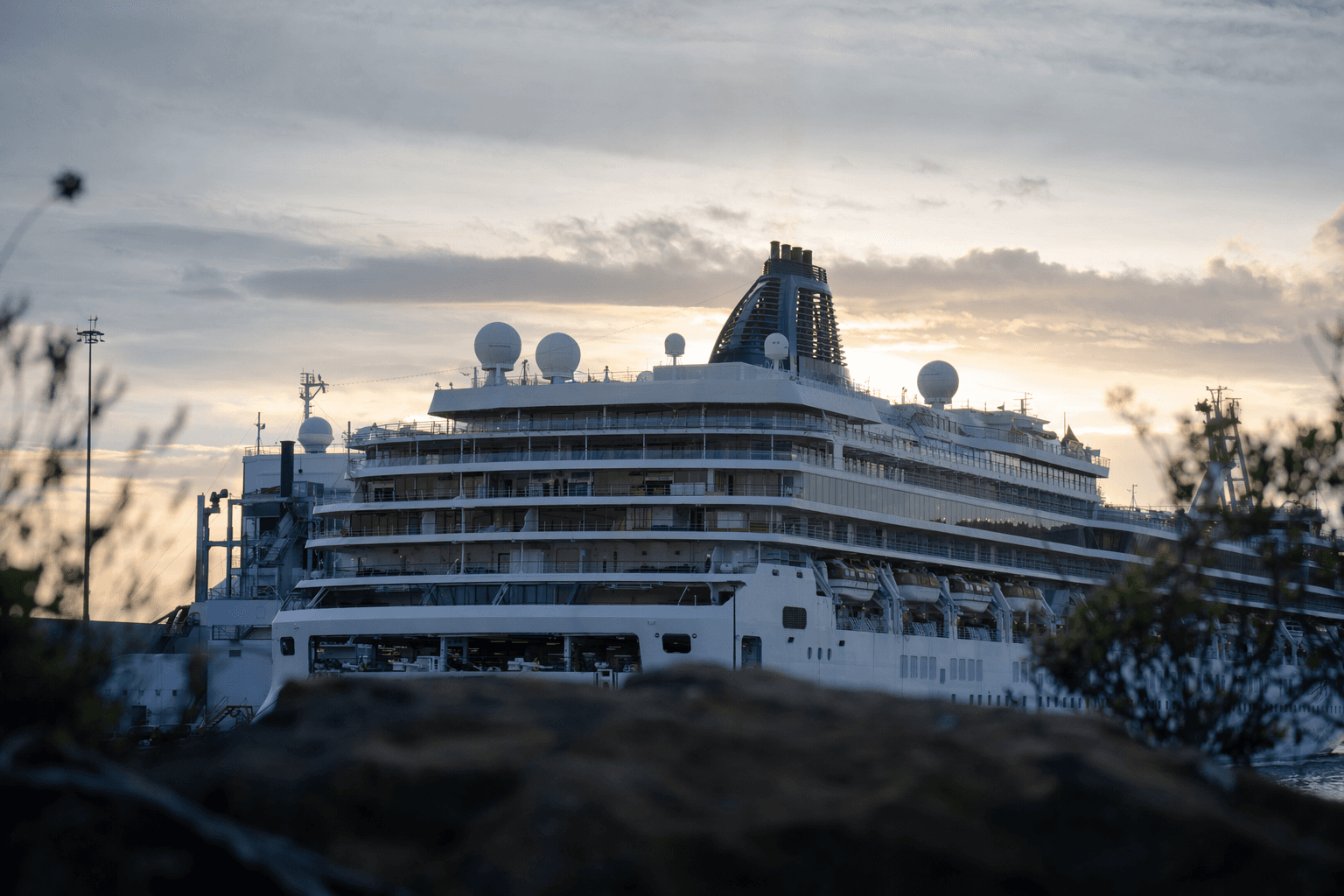
The World Health Organization first reported the outbreak on May 2, 2026, saying the ship carried 147 passengers and crew. By May 4, WHO said there were seven cases, including three deaths, one critically ill patient and three people with mild symptoms. Later updates said at least 10 to 11 cases had been tied to the vessel. The ship was disembarked in Tenerife, and health authorities in several countries began tracing passengers and contacts across the Canary Islands, Spain, the Atlantic Ocean crossing and beyond.
U.S. officials repatriated exposed passengers to Nebraska and Atlanta for monitoring and care, sending higher-risk cases to Nebraska Medical Center’s biocontainment unit and others to Emory University Hospital. The CDC said it had worked with federal and state partners on that response. One passenger’s reversal from positive to negative may have eased immediate fears, but the wider outbreak still shows how quickly preliminary readings can escalate a health emergency before the science settles.
This article was produced by Prism’s automated news system from verified source data, official records, and press releases, then run through automated quality and moderation checks before publishing. The system is built and supervised by the people who set the standards it runs under. Read our full AI policy.
Did this article answer your question?