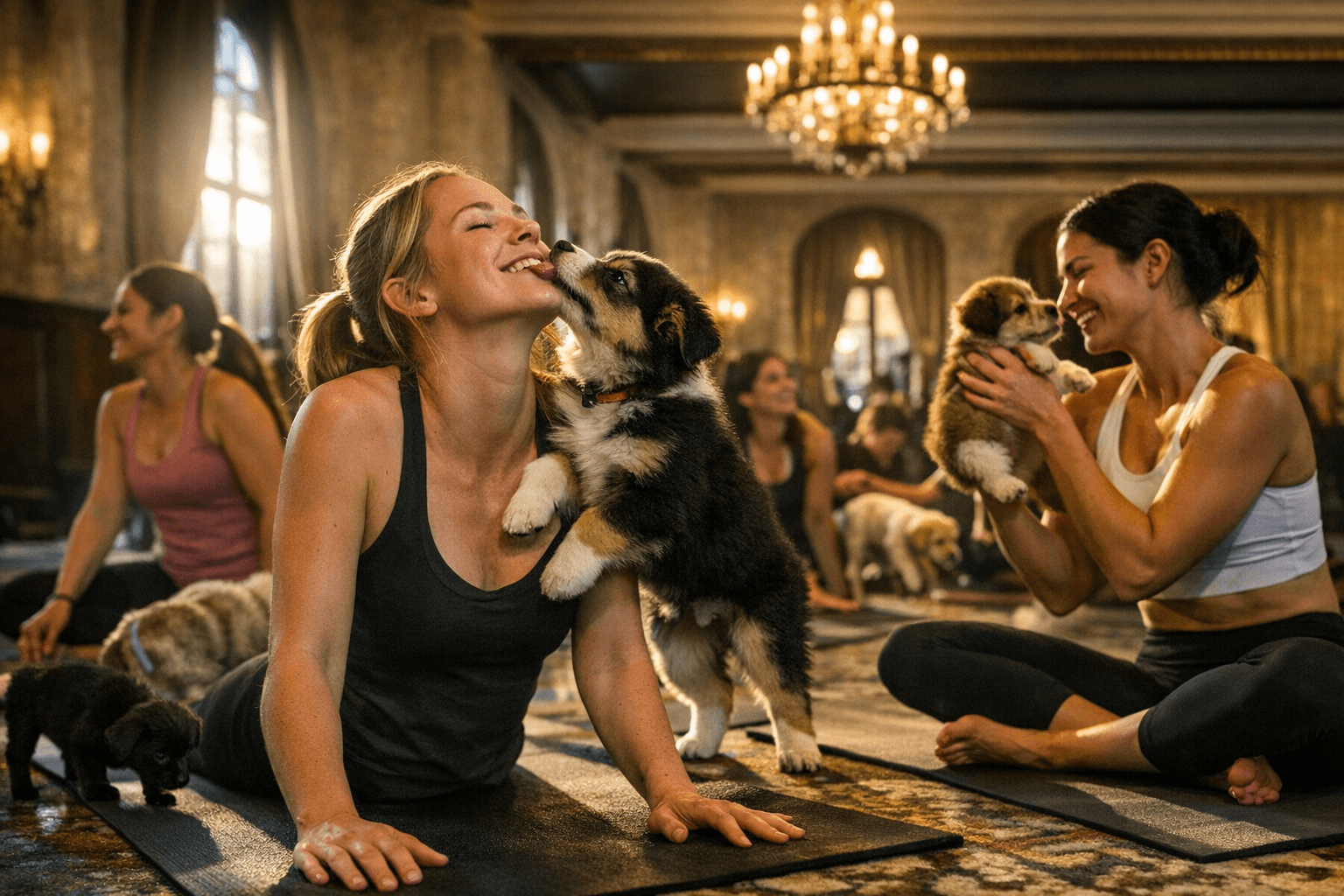
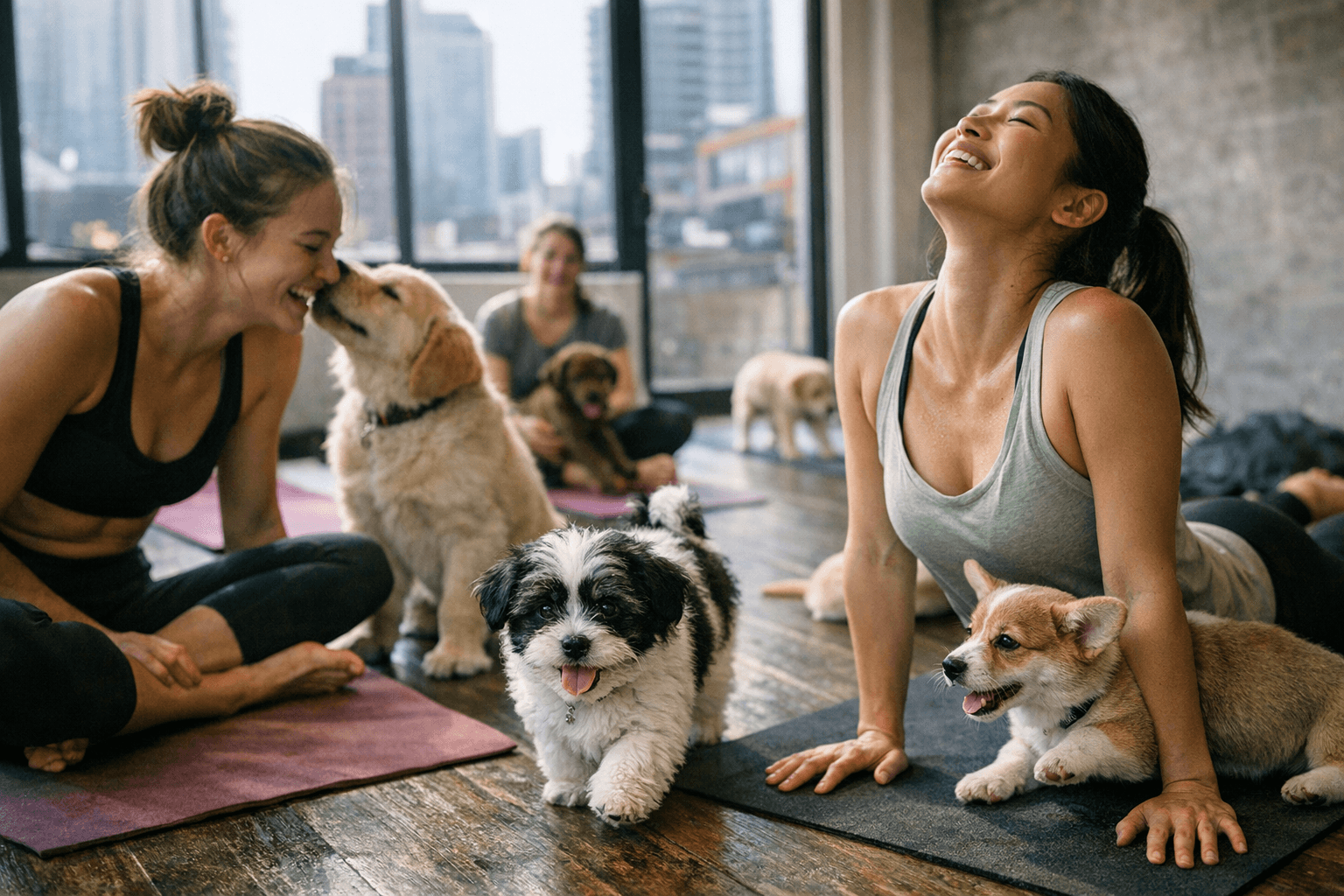
Dog Yoga Basics: How to Start, Stay Safe, and Bond
Dog yoga, often called doga, blends human yoga with gentle dog-focused interactions to promote relaxation, bonding, and low-impact movement for both species. This practical guide explains how to begin safely, what benefits to expect, and step-by-step ways to include your dog in a class or home practice.

Dog yoga combines traditional human yoga practice with gentle, dog-friendly interactions that encourage relaxation, socialization and light physical stimulation. Sessions typically run 45 to 60 minutes, but the dog-centered portion and a post-practice play or social period are vital to keep the experience low-stress and enjoyable for animals and people alike.
Start slowly in a familiar environment so your dog associates poses with positive experiences. Demonstrate movements in your dog’s presence and keep sessions short and pleasant. Use positive reinforcement and treat-based motivation for any coached movement, and always respect your dog’s boundaries. Do not force poses or close contact if your dog shows stress.
Reported benefits include reduced cortisol and stress for people, social connection, and gentle exercise. Dogs may gain from socialization, mild mobility work for older pets when cleared by a veterinarian, mental enrichment, and stronger bonding with their owners. Trainers and veterinarians recommend doga as a supplemental activity rather than a substitute for formal rehabilitation or intensive training.
Safety precautions are essential. Check with your veterinarian before starting doga if your dog has joint problems, recent surgery, or other health issues. Avoid bringing very young puppies to group classes unless organisers allow it; many require proof of vaccination to limit disease risk. Maintain good hygiene during sessions, keep class sizes manageable to prevent overstimulation, and perform welfare checks before and during practice.

Practical ways to include your dog in poses are simple and tactile. The Heart-to-Hound Mudra asks you to sit cross-legged, place one hand on your own heart and the other on your dog’s chest for a short, calm breathing exercise. In Downward-Facing Dog (human), encourage your dog to lie or sit beneath you so you share a stretch while the dog relaxes nearby. The Puppy Paw Mudra involves kneeling and gently placing your torso over a relaxed dog to create calming contact and trust. Assisted standing or weight-bearing holds for small dogs can be used cautiously and only with dogs that are comfortable being handled.
For classes and community events, bring a familiar blanket or toy to help your dog feel safe, keep treats on hand, and end with a positive play period. If you organise doga publicly, maintain strict welfare checks, keep groups small, and provide clear participant briefings so every owner understands boundaries and hygiene expectations.
Dog yoga is accessible for many owners when approached with care. By starting slowly, prioritising safety, and focusing on positive interactions, you can build a calming routine that benefits both you and your dog while strengthening your bond.
Know something we missed? Have a correction or additional information?
Submit a Tip