Dog yoga basics - safe, simple ways to practice with your dog
Learn safe doga moves, how to introduce your dog slowly, and tips for building a calm, bonding practice you can do at home or in a class. Practical, pet-first advice for every pup and person.
1. Benefits of doga for you and your dog
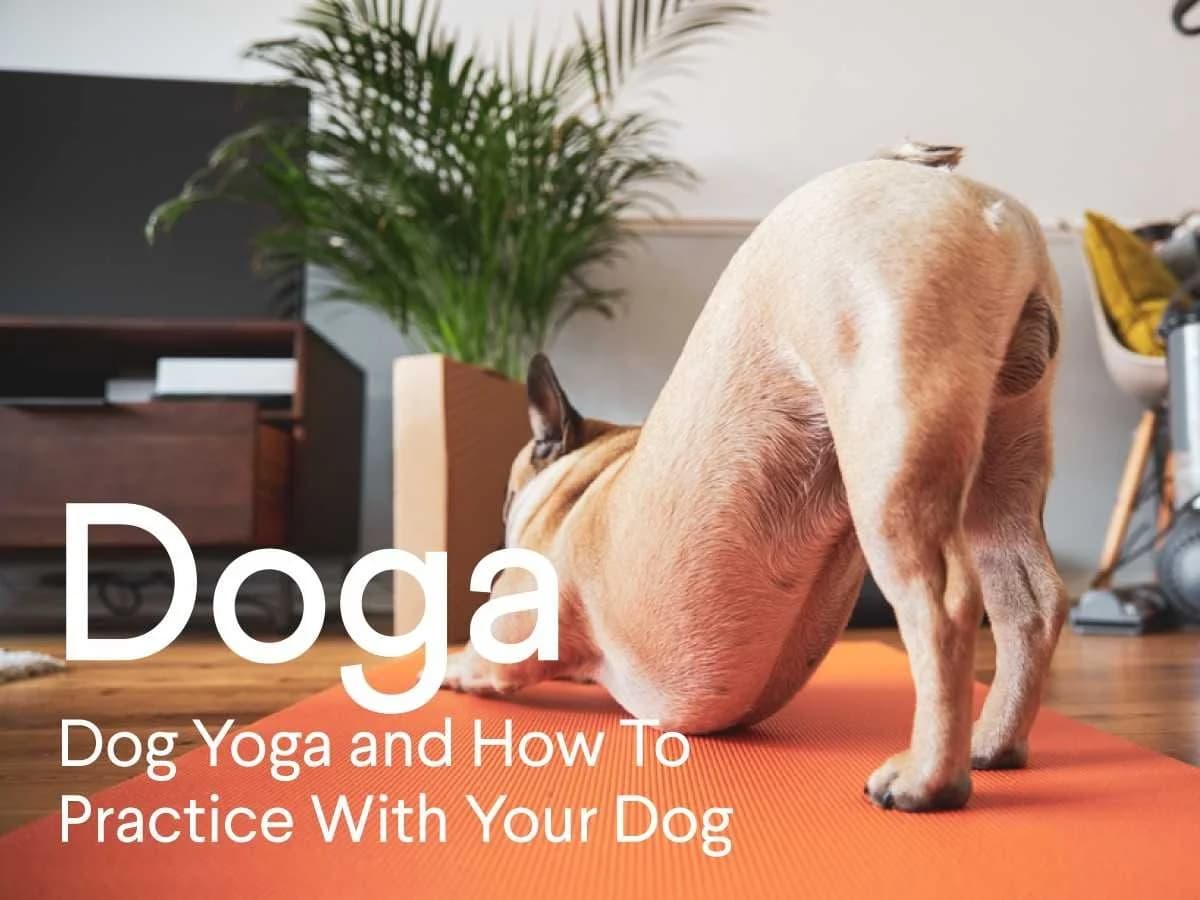
Doga blends gentle movement, breathwork, and presence to improve physical mobility and emotional bonding. For you, it can increase flexibility, reduce stress, and make fitness feel playful; for your dog, it offers social time, calm exposure to mats and cues, and the chance to relax alongside you. Regular shared practice strengthens trust and turns exercise into a consistent, positive ritual the whole household can enjoy.
2. Safety first: check with your veterinarian
Before starting any new activity, check with your veterinarian, especially if your dog has health concerns, joint issues, is senior, or very young. Your vet can advise on limits, recommend modifications, and flag positions or weight-bearing that might be risky. Prioritizing medical clearance keeps practice safe and ensures you’re not unwittingly stressing an old injury.
3. Start slow: how to introduce doga gradually
Begin with short, low-pressure sessions, five to ten minutes, so your dog learns the mat and routine without overwhelm. Use the mat as neutral territory: let your dog sniff, explore, and rest there before expecting participation. Gradually increase session length and complexity only when your dog is calm and curious, not stressed or afraid.
4. Breathwork and calm poses with your dog nearby
Anchor practice in breathwork: slow inhales and exhales help you downshift and send calming energy your dog can mirror. Practice seated or supine breath awareness while your dog lounges beside or rests a paw on you; many dogs pick up the slower rhythm and relax. Keep poses gentle, sukhasana (easy seat) or reclined stretches are great starting points so your dog feels safe and within reach.
5. Using your dog as a prop, only if comfortable
Some dogs enjoy light contact and being draped gently in assisted stretches; others do not. Only use your dog as a prop if they clearly seek contact, are relaxed, and show no signs of discomfort. If you do incorporate light weight or positioning, do so briefly, monitor reactions closely, and never force a dog into a pose for your benefit.
6. Watch and read dog body language carefully
Your dog’s body language is your instruction manual: look for loose wagging, soft eyes, and relaxed posture as signs of comfort. Watch for yawning, lip licking, moving away, tail-tucking, or staring, these are cues to pause, back off, or switch to a neutral activity. Responding to signals quickly teaches your dog that the mat is a safe place and builds honest communication.
7. Use positive reinforcement to make the mat inviting
Reinforce all calm, voluntary participation with treats, praise, or a favorite toy so your dog associates the mat and practice with good things. Offer rewards for approaches, settling, and relaxed behavior rather than for perfect poses; the goal is a peaceful, confident partner, not a contortionist. Consistency turns the mat from a strange object into a go-to comfort zone.
8. Practical gear and environment tips
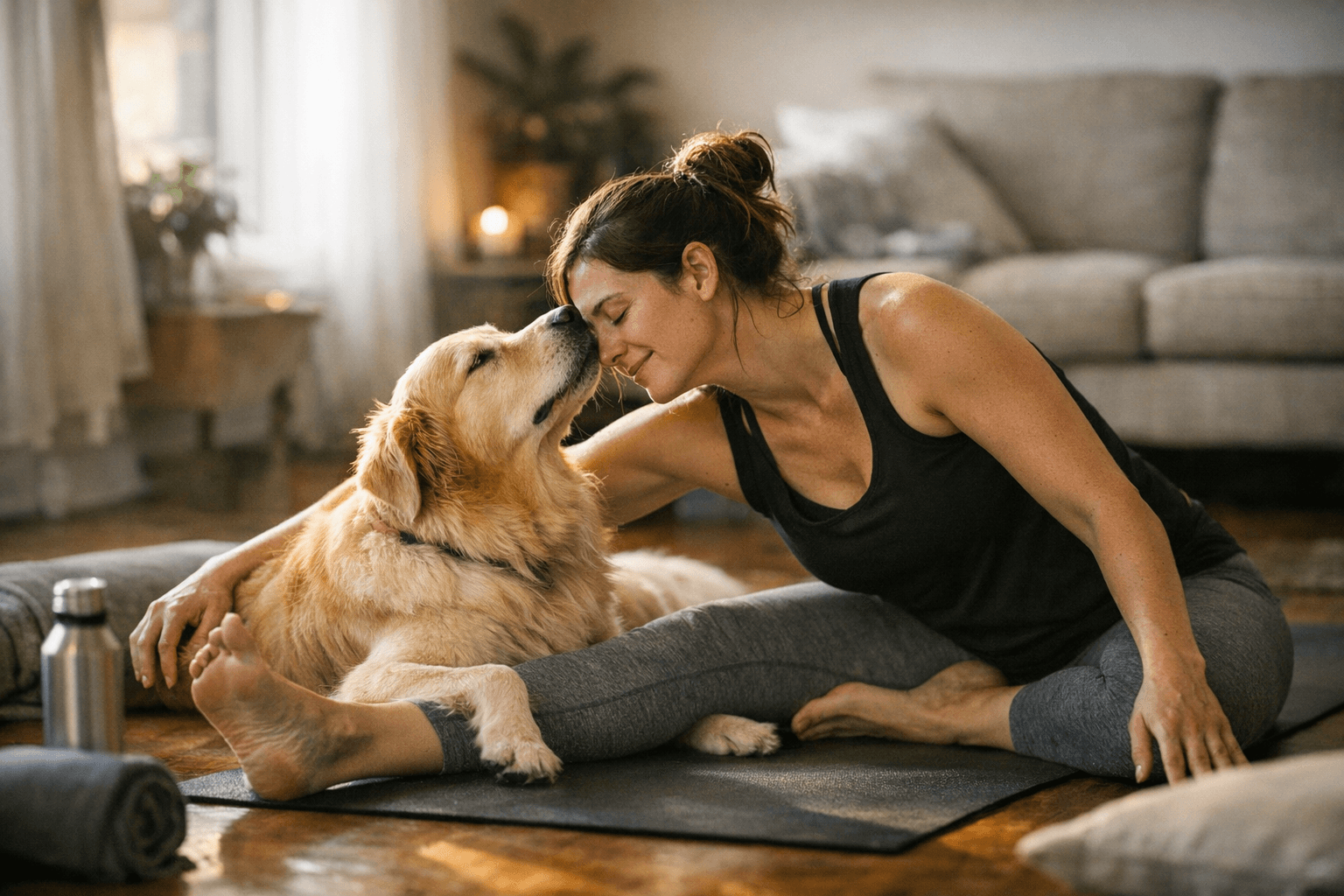
Create a low-distraction, comfortable space with a non-slip mat, soft lighting, and minimal clutter so both of you can focus. Consider a second towel or blanket for your dog if they prefer a different texture, and wear comfortable clothes that allow slow movement and easy reaching for petting. Keep training treats handy in small pieces to avoid overfeeding, and have water accessible for post-practice refreshment.
9. Community relevance: classes, groups, and accessibility
Look for local doga classes or community sessions to meet other people doing shared practice and to learn teacher-led cues that prioritize canine comfort. Community classes can normalize the mat, offer socialization for confident dogs, and build a neighborhood support network for pet-friendly wellness. If classes aren’t accessible, virtual sessions or small neighborhood meet-ups work, just keep group sizes low and stress signals monitored.
10. Sample beginner routine you can try at home
1. Settle (2 minutes): Sit cross-legged, breathe slowly, and invite your dog to the mat with a treat. Reward any calm approach and allow your dog to find a comfortable spot.
2. Breath connection (3 minutes): Place your hand lightly on your dog’s flank or chest if they welcome it; synchronize five slow breaths together to promote relaxation.
3. Gentle seated stretches (3 minutes): Move through simple side stretches and neck rolls while your dog lies beside you; pause frequently to pet and praise.
4. Short assisted hip stretch (2 minutes): If your dog enjoys contact, rest your forearm gently across their rump while they settle; watch expression and release immediately if they shift away.
5. Closing calm (2 minutes): End with a quiet belly rub or light massage and a favorite treat to reinforce a positive finish.
11. Troubleshooting common challenges
If your dog is over-excited, redirect with short recall games off the mat before returning to a calm session. If your dog refuses the mat, try letting them earn mat time through simple obedience, sit, down, or target touches, so the mat becomes a reward. For nervous dogs, break sessions into micro-practices around daily routines to slowly desensitize the mat and cues.
The takeaway? Doga is less about perfect poses and more about shared calm, clear signals, and slow, positive introductions that respect your dog’s comfort. Our two cents? Keep it gentle, watch the tail, and make the mat a pawsitively safe place, your bond will deepen one breath at a time.
Know something we missed? Have a correction or additional information?
Submit a Tip