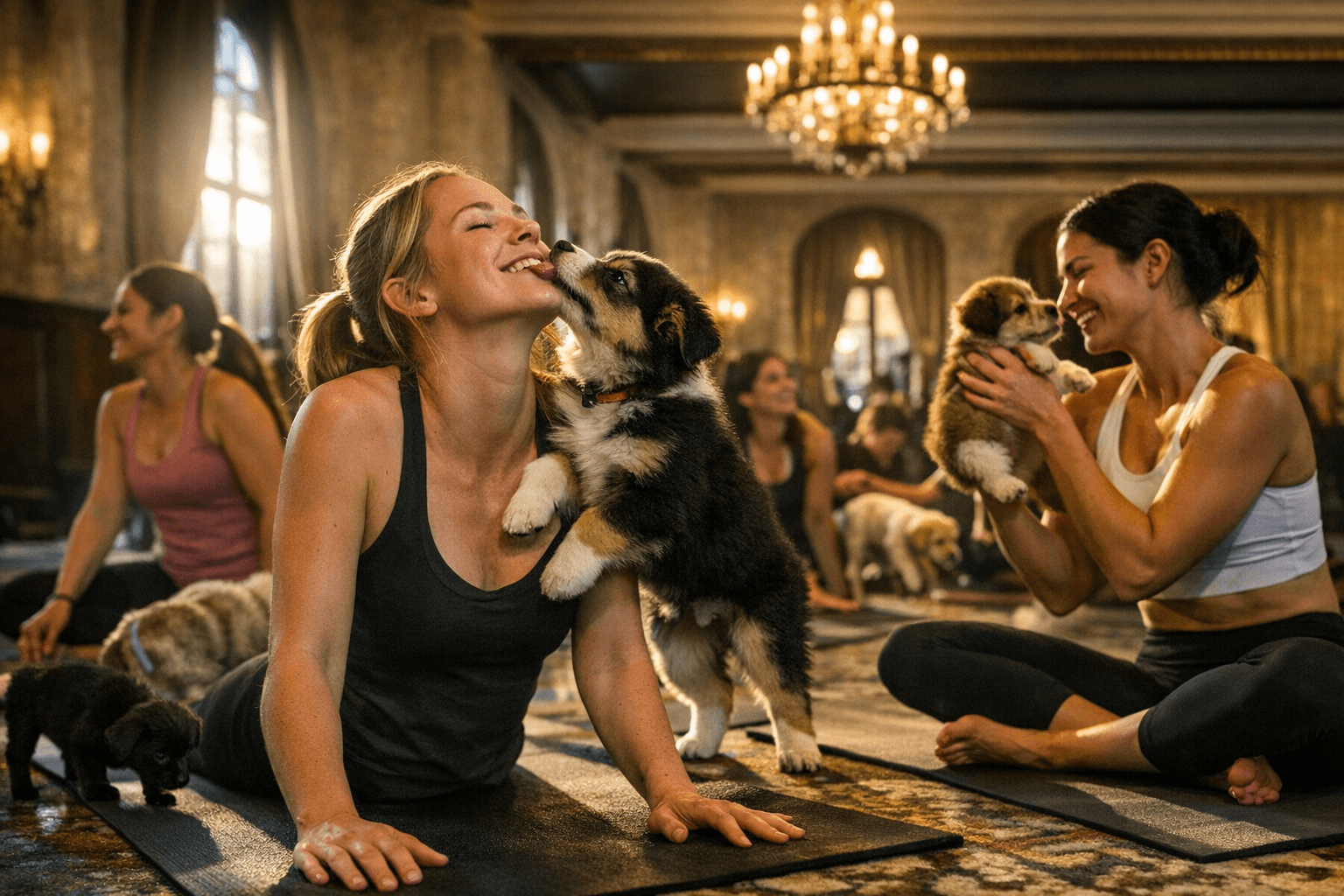
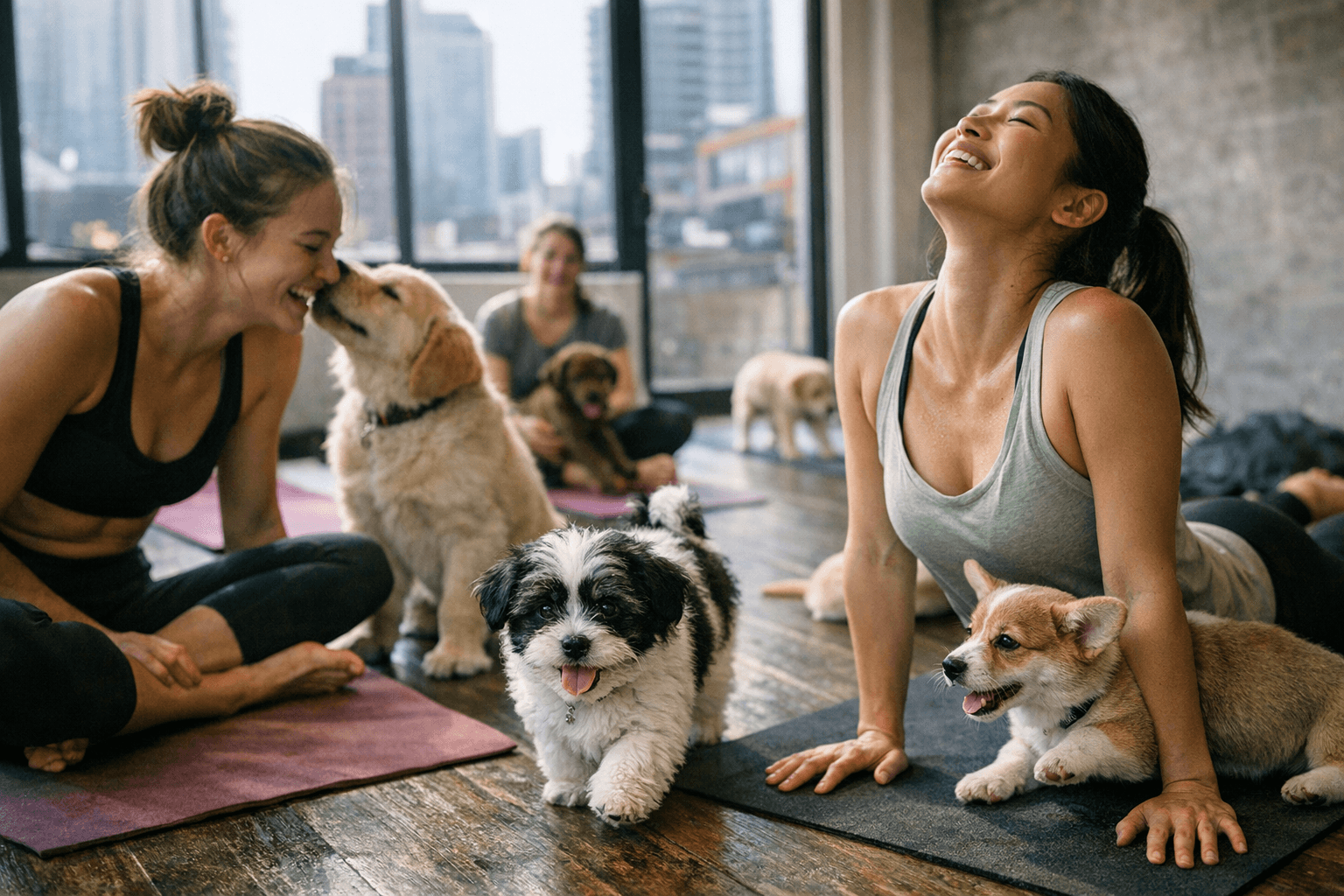
Dog Yoga Grows Into Community Practice, Bonding and Caution
Doga, the practice of doing yoga with pet dogs present, began in the United States around 2002 and has spread internationally as a community activity that emphasizes bonding, gentle stretching, and socialization. While many owners report stronger connections with their pets and a relaxed class atmosphere, critics note that dogs are not actually performing yoga and warn against treating the practice as a novelty or disrespecting yoga traditions.
Doga brings people and dogs together in a shared space where human yoga poses are performed while dogs are encouraged to relax, join partner stretches when willing, or simply roam and socialize among participants. Originating in the United States around 2002, the practice has grown into classes, workshops, and community events worldwide. Sessions typically focus on gentle stretches, breathing, and creating a calm environment that supports canine comfort and human mindfulness.
The primary appeal is practical and communal. You can use doga to strengthen the bond with your dog, introduce a nervous pet to social settings in a controlled way, and enjoy low impact movement that suits many ages and fitness levels. For adopters and owners of older dogs, classes can offer socialization and calm enrichment. Organizers report that small, relaxed groups produce better outcomes, and that including rest spaces and clear arrival rules helps dogs adjust.
Safety and respect for animals and yoga traditions matter. Dogs are not doing yoga in the technical sense, and instructors and participants should avoid forcing animals into poses. If you attend, ensure your dog is comfortable with unfamiliar people and dogs, is up to date on vaccinations, and is wearing a secure collar or harness. Consider your dog s temperament before joining a mixed group, and ask organizers about class structure, maximum class size, and whether there is a quiet exit area if your dog needs a break.
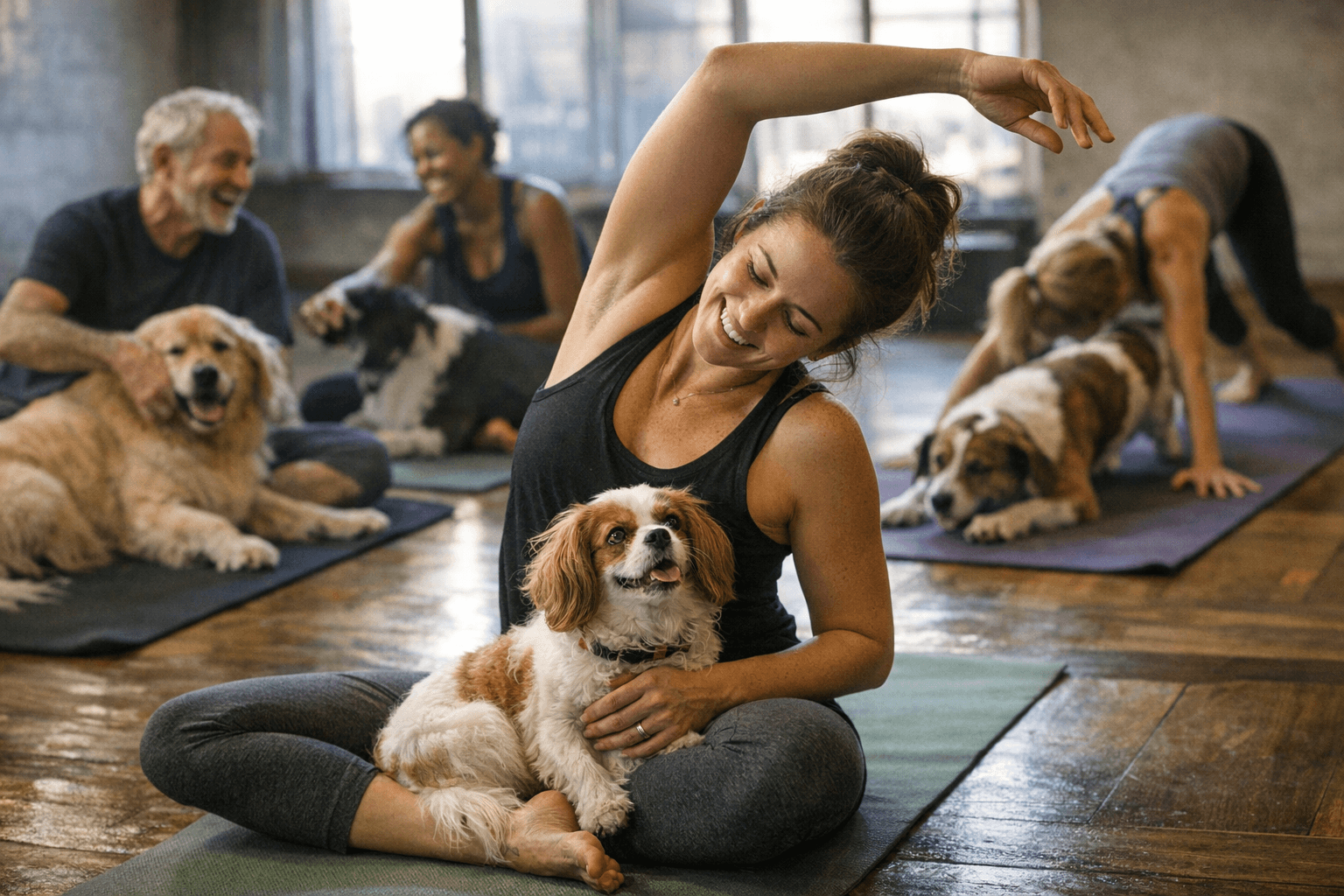
To reduce the novelty effect and address criticism, integrate basic canine handling principles. Work with a certified dog trainer when planning partner stretches, keep transitions slow, and emphasize canine consent. Choose venues with non slippery floors and room for dogs to move. If you teach, provide clear expectations in advance and offer alternatives for owners whose dogs prefer to observe rather than participate.
Doga remains a mix of social activity, light exercise, and bonding ritual. Used thoughtfully it can deepen owner dog relationships and connect neighbors through shared interest. Keep focus on animal welfare, clear communication, and small scale community practices to get the most value from doga experiences.
Know something we missed? Have a correction or additional information?
Submit a Tip