Dog Yoga's Rise: Bonding, Adoption Benefits and Welfare Concerns
Doga blends yoga and dogs for bonding and adoption benefits but raises animal-welfare and handling concerns that matter to anyone hosting or attending classes.

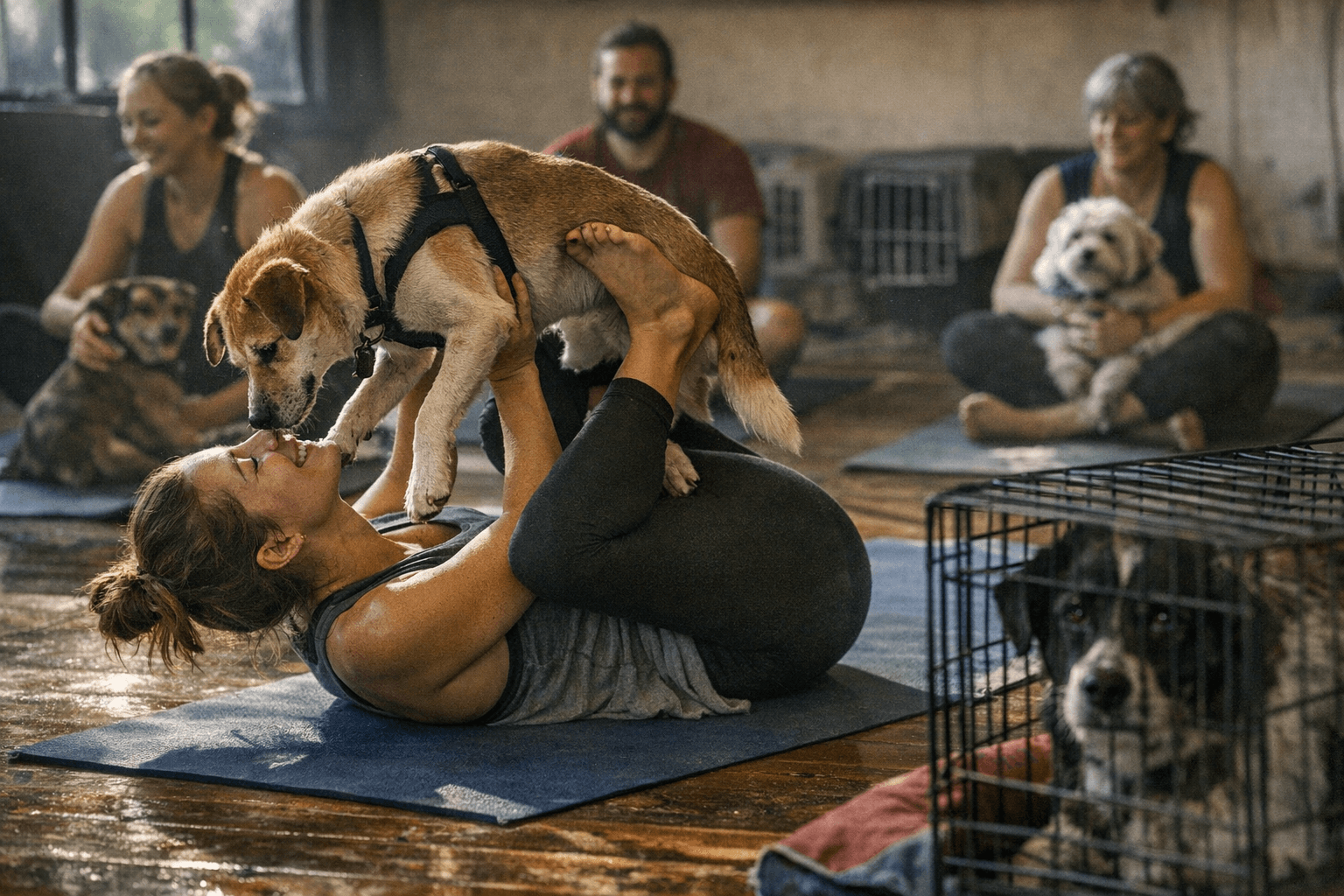
Doga has grown from a niche novelty into a mainstream wellness activity that city studios, community centers, and animal rescues now use to connect people and pups. The hybrid practice began in the United States in the early 2000s, often credited to Suzi Teitelman circa 2002, and spread to the U.K. and other countries through the 2000s and 2010s. Classes typically pair gentle human yoga postures with dogs roaming the room or joining specific stretches, and organizers frequently build in play and cuddle time before or after sessions.
For participants, practical gains include bonding with a pet, low-impact movement for owners, and stress reduction. For dogs, especially those from rescues, doga can offer socialization when handlers manage interactions responsibly. Many rescue groups use doga as a fundraising or adoption opportunity, bringing adoptable dogs into a relaxed, public setting where potential adopters can meet animals outside a shelter environment.
Alongside enthusiastic uptake, critics have raised consistent welfare concerns. Animal-welfare advocates warn that very young puppies can experience stress in noisy, crowded classes, and that inappropriate handling or over-commercialization may prioritize spectacle over canine comfort. Some yoga practitioners also argue that bringing active dog play into a discipline rooted in mindfulness and body awareness can dilute yoga’s spiritual and disciplinary aspects.
Those community discussions have prompted a set of safety practices increasingly recommended across studios and rescue partners. Responsible operation means trained handlers on site, careful vetting so only dogs of suitable age and temperament attend, mandatory rest periods during classes, and clear policies on vaccinations and handling. Organizers who partner with rescues should spell out whether dogs are adoptable participants, how meet-and-greets are supervised, and how long animals spend in class spaces.
If you teach, host, or plan to try doga, verify instructor training in both yoga and animal handling, ask about dog selection and rest schedules, and confirm vaccination and behavior-screening policies. When rescues bring dogs, clarify adoption procedures and whether handlers remain with animals throughout the session.
Doga’s rise shows a community appetite for shared, pet-friendly wellness that can benefit owners and animals alike, but its future depends on standards that protect dogs’ welfare. Expect continued growth in studios and rescue partnerships, and attention from participants who insist on clear welfare practices before they roll out their mats and say Namaste with a four-legged friend at their side.
Know something we missed? Have a correction or additional information?
Submit a Tip