DOJ charges 30 more in federal civil rights case tied to Minnesota church protest
The Justice Department charged 30 additional defendants today in a federal civil rights prosecution stemming from an anti-ICE protest at a Minnesota church; the expanded indictment includes journalist Don Lemon.
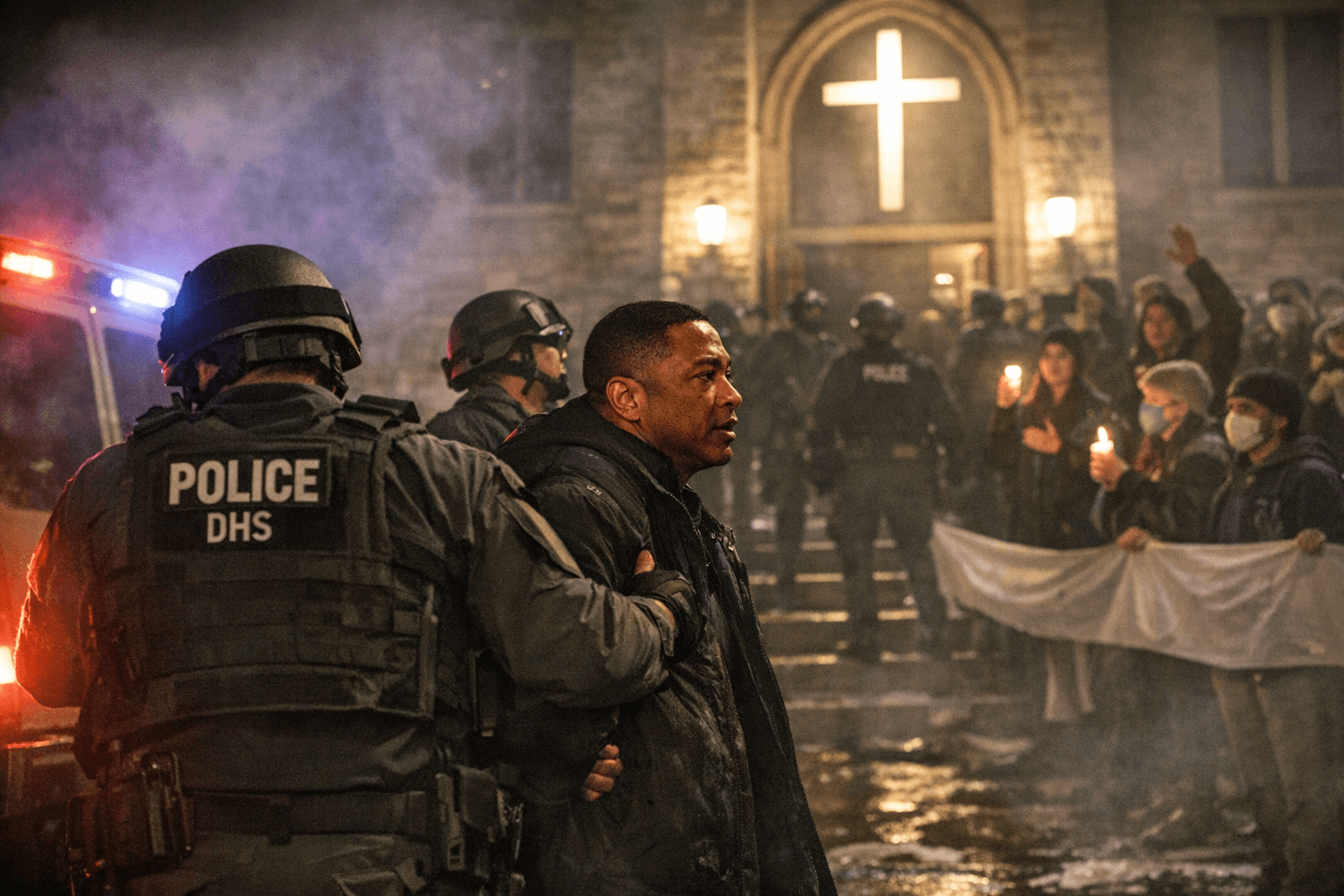
The Justice Department announced charges against 30 additional defendants today in a federal criminal civil rights case arising from an anti-Immigration and Customs Enforcement protest at a Minnesota church, a move that expands a contentious prosecution now reported to include journalist Don Lemon among the named defendants. The filing marks a significant intensification of federal enforcement in a politically charged protest that has drawn national attention.
Federal prosecutors describe the case as involving violations of criminal civil rights statutes tied to the events at the church. The new charges add scores of individuals to a roster that prosecutors say were responsible for conduct they allege went beyond lawful demonstration. The Justice Department has lodged the matter in federal court, where defendants are expected to face arraignments and pretrial proceedings in coming weeks.
The decision to bring a broad set of federal civil rights charges in the context of a protest places the case at the intersection of criminal law, free speech, and press protections. Charging a high-profile journalist in the matter amplifies constitutional scrutiny. Legal experts say prosecutions that entangle reporting or public commentary can prompt vigorous First Amendment challenges and raise questions about the scope of federal statutes when applied to political protest and media activity.
Institutionally, the expansion underscores a prosecutorial posture that treats certain protest conduct as subject to federal civil rights enforcement. Such use of federal statutes may be intended to deter violence or interference with federal officers, but it also risks creating perceptions of selective enforcement. That perception could feed partisan debate and complicate relationships between federal law enforcement and communities that engage in civil disobedience as a form of political expression.
The political implications are immediate. Prosecuting dozens of participants in a high-profile immigration protest can shift local and national political dynamics, energize supporters on both sides of immigration policy debates, and potentially affect turnout in jurisdictions where immigration is a salient electoral issue. Activist organizations and community leaders often cite prosecutions as mobilizing events; conversely, visible federal action can deter public demonstrations and curtail civic engagement when individuals fear criminal consequences.
For the news media, the inclusion of a journalist among the defendants may prompt newsrooms to reassess how reporters cover confrontational events and highlight the fragile line between reporting on protest activities and participating in them. The case will likely produce litigation over subpoenas, source protection, and whether journalism can be treated as independent from alleged criminal conduct.
Legally, defendants now face the federal pretrial process that typically includes grand jury proceedings, motions to dismiss or suppress, and potential plea negotiations. The Justice Department's broader charging strategy suggests prosecutors believe they can substantiate violations under federal civil rights laws; defense teams will likely mount constitutional and statutory challenges aimed at narrowing the government's theory of the case.
The enlargement of the indictment makes this matter one to watch for its legal precedents and its political repercussions. Courts will have to balance protections for speech and the press with enforcement against criminal conduct, while elected officials and civic groups will assess the decision's impact on public protest and democratic participation.
This article was produced by Prism’s automated news system from verified source data, official records, and press releases, then run through automated quality and moderation checks before publishing. The system is built and supervised by the people who set the standards it runs under. Read our full AI policy.
Did this article answer your question?

