DOJ Investigates Stanford, Ohio State and UC San Diego Medical Schools Over Admissions
The DOJ demanded seven years of admissions data from Stanford, Ohio State and UC San Diego medical schools, threatening federal funding cuts if they don't comply by April 24.
Harmeet K. Dhillon posted a photo on X of herself signing one of the letters, writing "launching a series of civil rights investigations." The next day, she added: "We did this yesterday. Among other things!" after posting a New York Times story that revealed her office was also investigating two other medical schools.
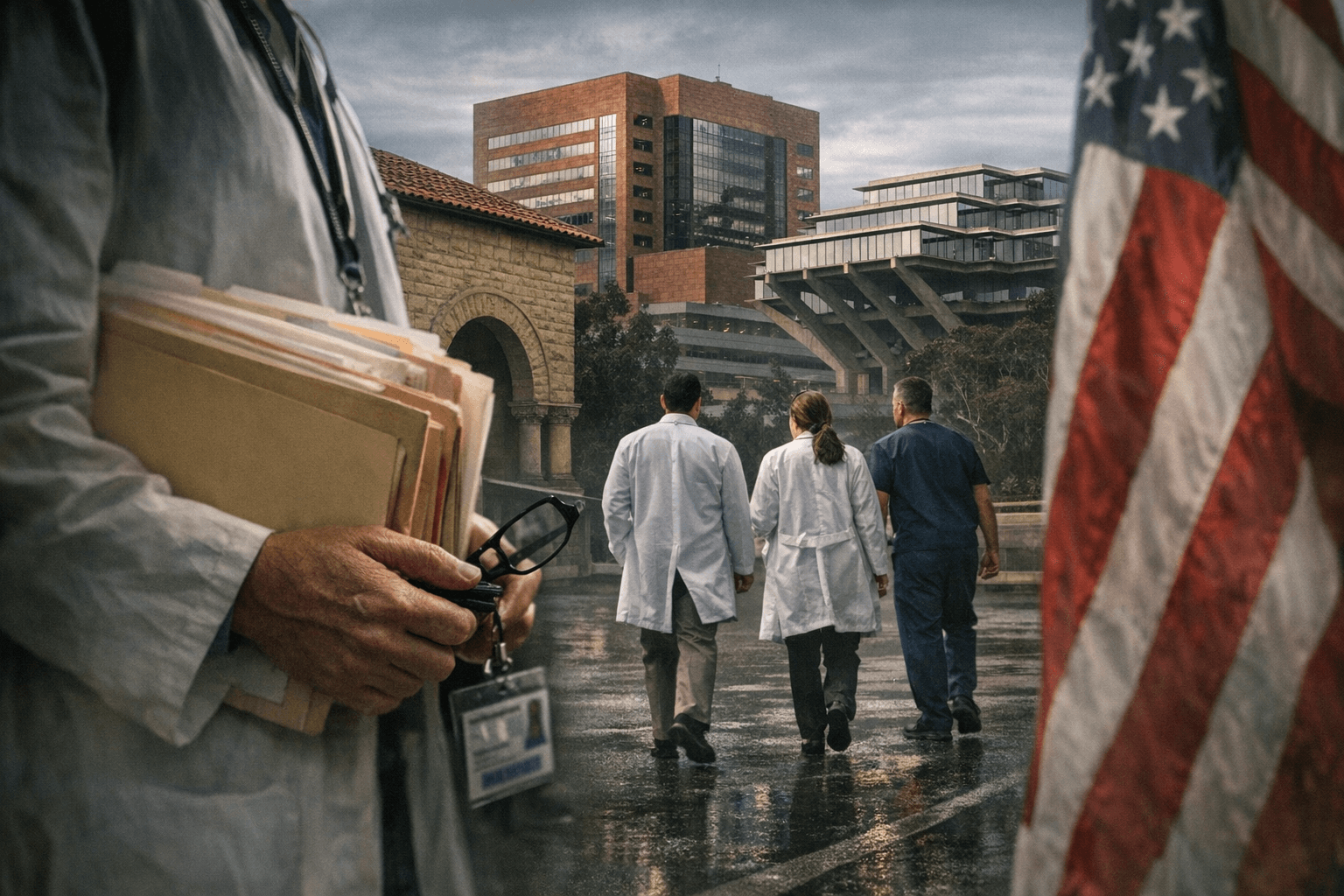
On March 25, the Justice Department notified the Stanford, Ohio State and UC San Diego medical schools that it is launching civil rights investigations into their admissions practices. Dhillon, the Justice Department's assistant attorney general for civil rights, wrote in each of the letters: "At this time, our investigation will focus on possible race discrimination in medical school admissions."
The three schools were ordered to provide "extensive lists of data" by April 24 or "risk interruptions to essential federal funding." The department is seeking detailed data from all applicants from 2019 through 2026, with the request covering 31 data points per applicant and internal policies or communications related to the use of race in admissions.
In a letter to Ohio State, Dhillon wrote that the Justice Department was seeking any documents related to "the use or lack of use of race" in evaluating applicants, as well as all applicant-level admissions data and any reviews by the school of admissions trends or outcomes by race. The requested data include seven years' worth of test scores, home ZIP codes and applicants' ties to alumni or donors, and the DOJ also requested copies of internal communications at the colleges about diversity, equity and inclusion and messages shared between school officials and pharmaceutical companies about their admissions policies.
All three medical schools are top recipients of National Institutes of Health money, a major funding stream for universities that has been used as leverage by the second Trump administration.
Ohio State spokesperson Benjamin Johnson confirmed receipt of the letter and offered a brief statement. "We've received the attached letter and will respond appropriately," Johnson said, adding that the school is compliant with state and federal regulations and legal rulings regarding admissions. UC San Diego spokesperson Laura Margoni said the school is "committed to fair processes in all of our programs and activities, including admissions, consistent with federal and state anti-discrimination laws." Stanford spokesperson Cecilia Arradaza said the medical school "prohibits unlawful discrimination on the basis of race, color, national or ethnic origin, or any other characteristic protected by applicable law."
The scope of what the DOJ is seeking from UC San Diego's medical school is illustrated by the school's own admissions numbers. Its incoming class of 2025 was drawn from 10,400 applicants; 1,002 were interviewed and 140 ultimately enrolled. Of those students, 41% were first-generation graduate students, 16% were first-generation college students, and 74% were California residents.
Through a series of investigations and executive actions, President Donald Trump has been ramping up scrutiny of universities he decries as overrun by liberal influence. His administration previously targeted undergraduate admissions at selective colleges, demanding they collect data to show they are in line with a 2023 Supreme Court decision forbidding affirmative action in college admissions. That Supreme Court ruling said colleges could still consider how race has shaped students' lives if applicants share that information in their admissions essays, but Trump has raised concerns that colleges and universities were using personal statements and other proxies to consider race, which he views as illegal discrimination.
The latest investigations came days after the administration filed a lawsuit against Harvard University, accusing the school of failing to protect Jewish and Israeli students amid campus protests. It was not immediately clear why the three medical schools were targeted.
This article was produced by Prism’s automated news system from verified source data, official records, and press releases, then run through automated quality and moderation checks before publishing. The system is built and supervised by the people who set the standards it runs under. Read our full AI policy.
Did this article answer your question?