DOJ pauses anti-weaponization fund after judge's ruling, Trump claims Lebanon truce
A federal judge froze a nearly $1.8 billion anti-weaponization fund, forcing DOJ to pause it until a June 12 hearing as Trump pushed a Lebanon ceasefire claim.
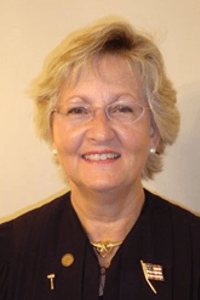
A federal judge’s freeze has halted the Trump administration’s nearly $1.8 billion anti-weaponization fund, keeping the money on hold until at least a June 12 hearing and putting a politically charged compensation plan under immediate legal scrutiny. The Justice Department said it would abide by the order after U.S. District Judge Leonie Brinkema blocked further action in the Eastern District of Virginia.
The pause matters because it does more than delay paperwork. It stops the administration from moving ahead on a fund designed to compensate people who claim they were targeted by government weaponization, a proposal that already drew bipartisan pushback in Congress. With Brinkema’s temporary block in place, the administration cannot advance the program while the court weighs the underlying dispute.
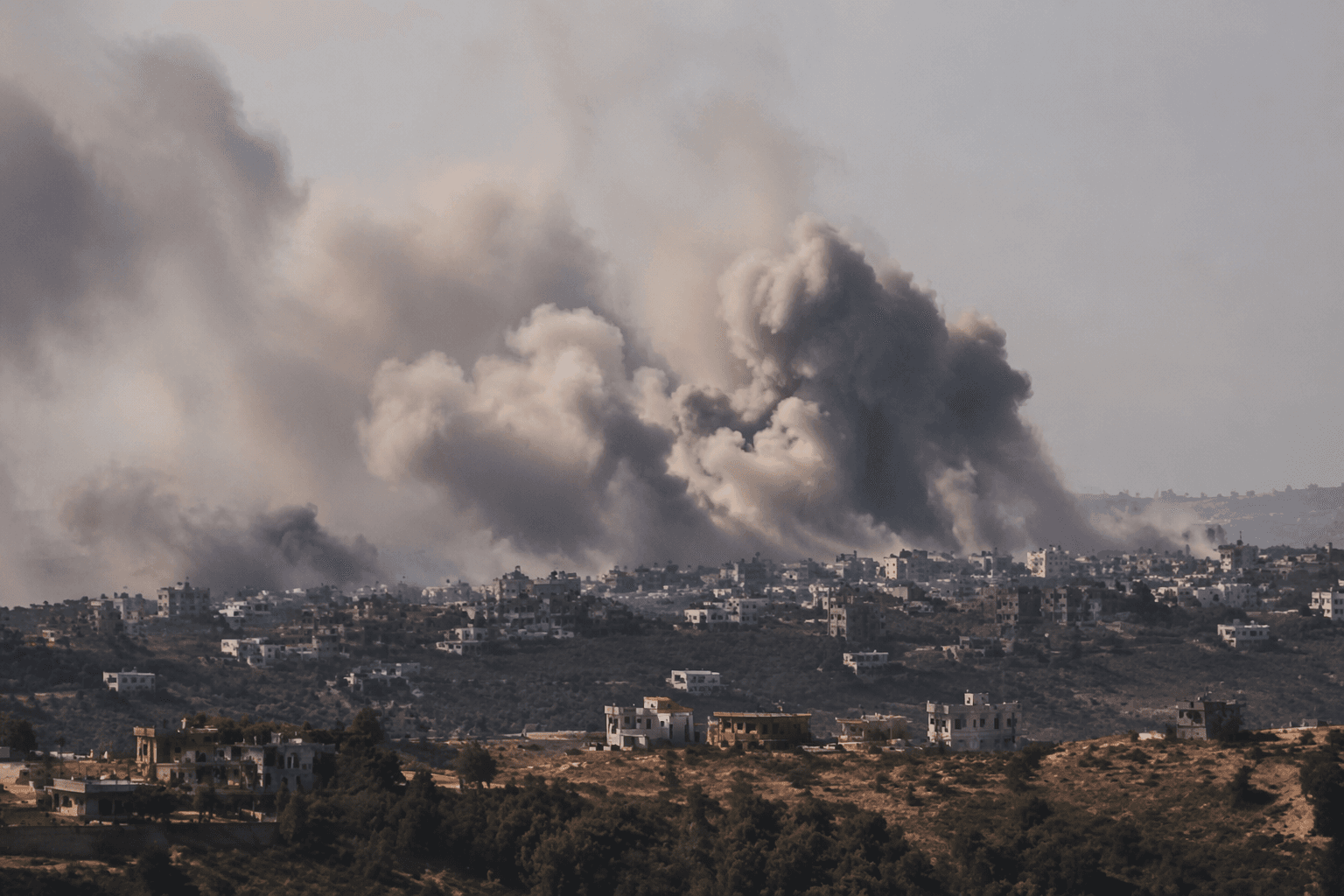
The legal fight lands at a moment when the White House is also trying to project control abroad. Trump said he spoke with Israeli Prime Minister Benjamin Netanyahu and, through intermediaries, with Hezbollah, claiming he secured a pledge that Hezbollah would not attack Israel and that Israel would pull back troops preparing to attack southern Lebanon. Reuters reported that no U.S. president has ever spoken with Hezbollah before, and the United States designates the group as a terrorist organization. Netanyahu’s account appeared to diverge from Trump’s, with Israeli officials saying hostilities in Lebanon could continue if Hezbollah kept firing.
That episode underscores how quickly the situation around Lebanon was moving, with fighting escalating while the United States was also trying to keep broader Iran-related diplomacy alive. Some reports linked hopes for a truce to those negotiations, raising the stakes for any claim of a ceasefire breakthrough and leaving the durability of Trump’s account uncertain.
At home, California voters cast ballots Tuesday in the state’s top-two primary, where the top two vote-getters in each race advance to November regardless of party. The biggest contests included governor, U.S. House, Los Angeles mayor and other state and local offices. Same-day voter registration remained available through Election Day, and secure ballot drop-off locations opened May 5, 2026.
The governor’s race carried unusual weight because Gavin Newsom was term-limited. Congressional primaries were being held under new district boundaries passed by voters in 2025, and California’s 1st Congressional District also held a special election under current lines. Together, the court fight over federal power and the primary fight over state power showed how much was at stake in both institutions and the electorate.
This article was produced by Prism’s automated news system from verified source data, official records, and press releases, then run through automated quality and moderation checks before publishing. The system is built and supervised by the people who set the standards it runs under. Read our full AI policy.
Did this article answer your question?

