DOJ refuses sworn pledge to kill Trump anti-weaponization fund
DOJ declined to sign sworn pledges that the $1.776 billion anti-weaponization fund is dead, leaving a Trump-linked settlement fight alive in Virginia.
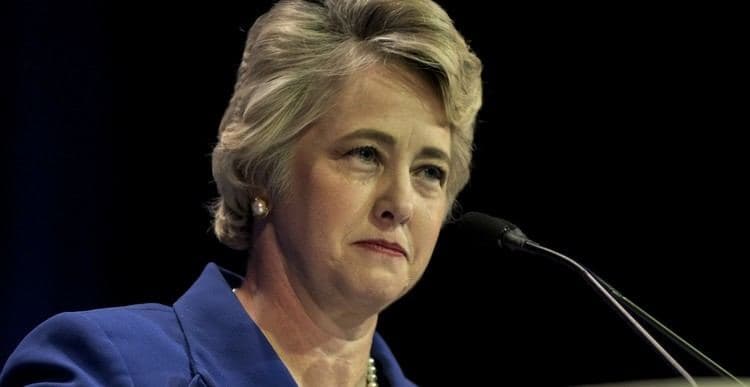
The Justice Department’s refusal to put its retreat in writing kept a Trump-related settlement dispute alive in federal court and underscored the legal risk of relying on verbal assurances alone. U.S. District Judge Leonie Brinkema had told the administration to submit sworn declarations, under penalty of perjury, showing that the Anti-Weaponization Fund would not proceed in any manner or under any name.
Brinkema’s order called for signed statements from Acting Attorney General Todd Blanche, Associate Attorney General Stanley Woodward and Treasury Secretary Scott Bessent. She indicated she would likely end the case if the administration complied, but said she was not satisfied by promises from the bench or from hearings because the memo creating the fund had not been formally rescinded.
The fund at the center of the fight was announced by the Justice Department on May 18 as a nearly $1.776 billion settlement vehicle tied to President Donald J. Trump v. Internal Revenue Service. It grew out of Trump’s $10 billion lawsuit over the leak of his tax returns by former IRS contractor Charles Littlejohn, and the department said it would create a process to hear claims from people who said they were harmed by “weaponization” and “lawfare.” Critics quickly attacked the proposal as a potential slush fund for Trump allies.
Blanche tried to quiet that criticism on June 2, telling Congress, “We’re not moving forward with the fund, period.” But Brinkema found that verbal line in the sand insufficient, and on June 12 she kept the block in place while giving the administration a final chance to file a formal declaration. Her concern was straightforward: if the fund was not truly dead, it could be revived later under another label.
The pressure was not limited to Alexandria, Virginia. A separate federal judge in Washington warned the Justice Department not to “play possum” as litigation over the fund advanced. The political fallout was real as well, with bipartisan resistance threatening an immigration enforcement bill and helping push the administration to back away. Even then, Reuters reported that some Trump allies were exploring another route to compensate people they describe as victims of government weaponization, including some January 6 participants.
For plaintiffs and watchdog groups such as Citizens for Responsibility and Ethics in Washington, the issue is not just whether the fund is paused. It is whether the government can prove, in a formal court record, that a $1.776 billion vehicle tied to a Trump lawsuit has been killed for good. The refusal to sign left that question unanswered.
This article was produced by Prism’s automated news system from verified source data, official records, and press releases, then run through automated quality and moderation checks before publishing. The system is built and supervised by the people who set the standards it runs under. Read our full AI policy.
Did this article answer your question?

