DOL guidance clarifies contractor classification risks for Nintendo workers
U.S. Department of Labor guidance clarifies contractor versus employee tests and what that means for wages, overtime and benefits for Nintendo contractors.
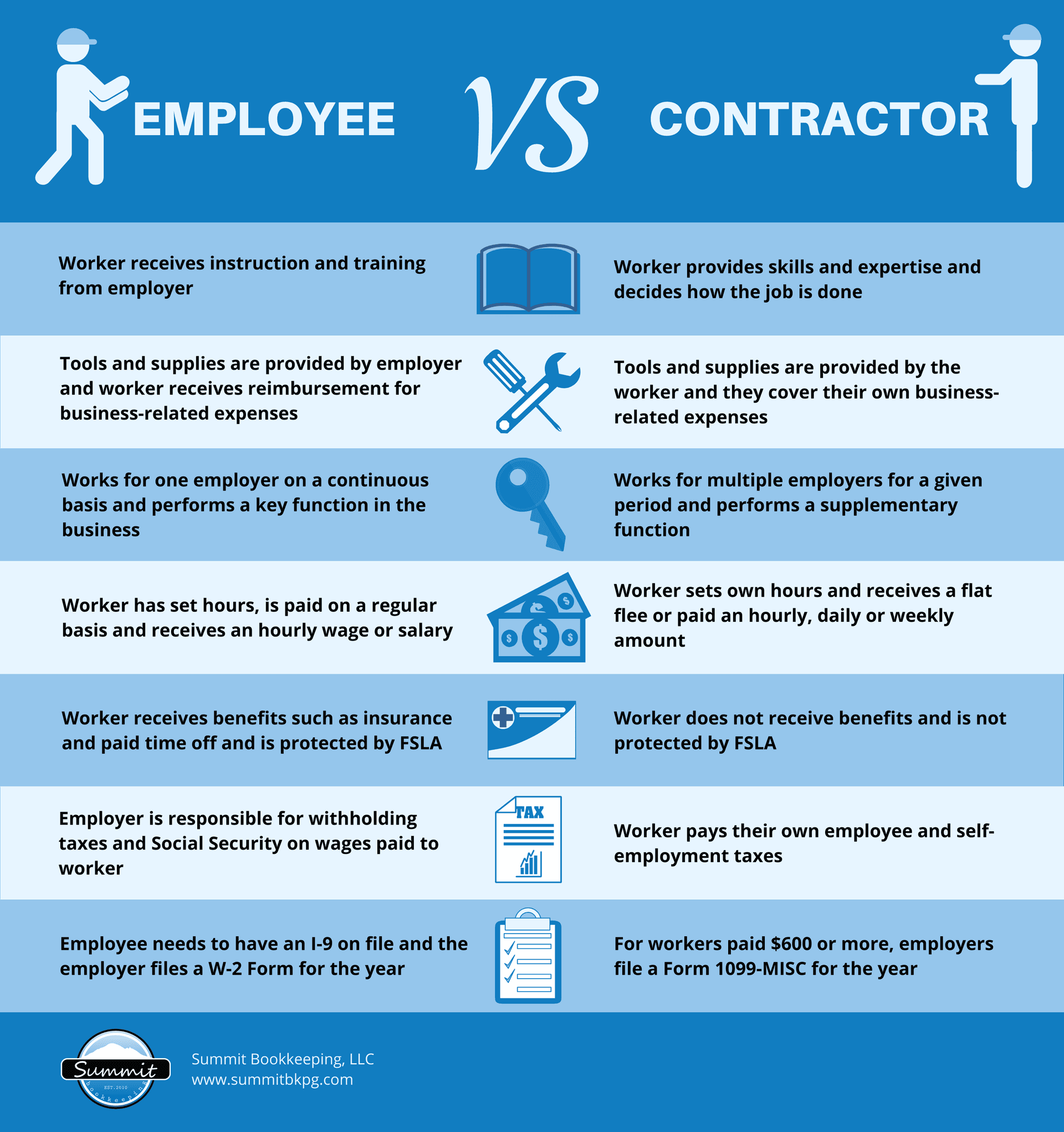
The U.S. Department of Labor's Wage and Hour Division lays out the economic realities test that determines whether a worker is an employee or an independent contractor under federal wage and hour law. For people performing QA, localization, customer support or development tasks through staffing firms, the distinctions matter for minimum wage, overtime eligibility and other legal protections.
The guidance focuses on several common-law factors courts and regulators use to assess economic dependence. Key considerations include the degree of control a company or staffing agency exerts over the work; whether the worker's services are integral to the business; the permanency and duration of the relationship; the worker's opportunity for profit or loss; investment in facilities or equipment; and the degree to which the worker operates as an independent business. No single factor controls the outcome; the DOL evaluates the totality of circumstances.
Those factors have practical consequences in game industry staffing models. Large publishers and platform holders, including those that contract with third-party vendors, often rely on temporary hires for playtesting, QA cycles, localization sprints and frontline support. If testers or support reps are found to be employees rather than independent contractors, they become eligible for overtime, minimum wage protections and certain remedies if misclassified. Long-term, integral contributions to core projects raise the risk that a worker will be considered an employee under the economic realities test.
For workers, the guidance underscores the importance of documenting the nature of assignments: who sets schedules, who provides tools and equipment, whether the worker bills multiple clients and how long assignments last. These details shape classification outcomes and workers' access to wage protections or potential conversion to full-time roles. For in-house HR teams, staffing vendors and contracting studios, the guidance signals legal and financial risks associated with practices that mirror employer control over contractors.

The DOL resource also describes steps to seek clarification or to file a complaint with the Wage and Hour Division if misclassification is suspected. Employers should review contracts, supervision practices and payment structures to reduce exposure. Staffing firms that position workers as independent contractors but impose company-style control may face enforcement action or litigation.
For Nintendo-related workers and the vendors that supply them, the guidance is a prompt to reassess long-running staffing arrangements ahead of future production cycles. Expect companies and staffing partners to revisit contract terms and work arrangements to align with the economic realities framework, while contractors should keep records of job terms and interactions that demonstrate whether they are operating as independent businesses or effectively working as employees.
Know something we missed? Have a correction or additional information?
Submit a Tip

