DOL Guidance Clarifies Union Rights and Steps for Goldman Sachs Workers
DOL guidance clarifies union recognition paths and employee rights, outlining steps Goldman Sachs workers can take to organize and protections against retaliation.
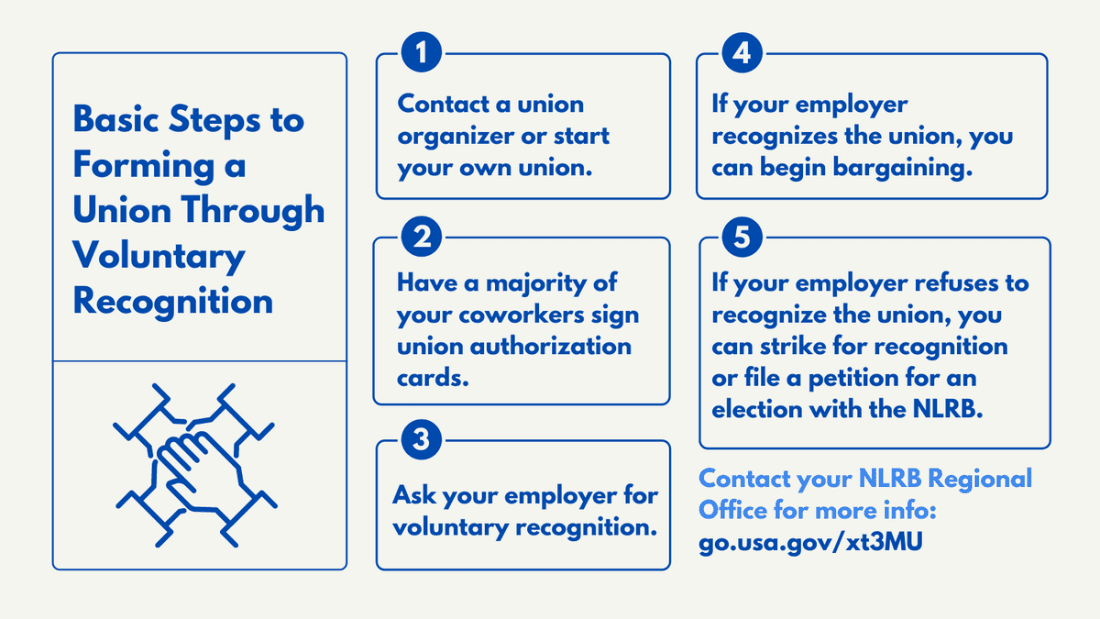
The Department of Labor has published guidance that spells out how employees can form a union and what protections they have under the National Labor Relations Act. For Goldman Sachs staff weighing organizing efforts, the document provides a concise, procedural checklist covering the two main paths to recognition, the practical steps organizers typically take, and where to go for help and official materials.
The guidance explains the two principal routes to union recognition. One path is voluntary recognition after a majority of employees sign authorization cards showing support for a union. The other is a National Labor Relations Board secret-ballot election, initiated by a petition to the NLRB. In either scenario, a majority outcome requires the employer to bargain in good faith with the chosen representative. The guidance also describes the mechanics behind filing an election petition and how authorization cards are used in campaigns.
Practical organizing steps are laid out in plain terms: build support among co-workers, collect authorization cards, and follow the NLRB process for requesting an election when appropriate. The document summarizes workers rights to engage in concerted activity for mutual aid or protection and highlights the legal safeguards against employer interference or retaliation. For employees at a global investment bank where job mobility, performance reviews, and compensation structures are closely watched, those protections are central to preserving the ability to discuss wages, hours, and working conditions without fear of unlawful discipline.
The guidance serves as a hub for additional resources. It points to employee rights posters, frequently asked questions, and official NLRB materials, and it lists how to find local NLRB regional office contacts for those needing to file complaints or seek more detailed procedural guidance. That means analysts, associates, traders, and support staff who are considering a campaign have a starting place to understand timelines, thresholds, and legal expectations.

For Goldman Sachs management and in-house counsel, the memo underscores compliance obligations. Supervisors and HR representatives must avoid actions that could be seen as coercive or retaliatory and should be prepared to negotiate if a lawful majority is established. Organizing activity may shift workplace dynamics, affecting morale, internal communications, and labor-management relations, and could prompt the bank to reexamine policies on meetings, communications, and disciplinary practices.
For employees, the immediate takeaway is procedural clarity: know the two paths to recognition, document support, preserve records of communications, and consult the DOL and NLRB materials linked in the guidance. The next phase for any organizing effort will be whether card-signing drives or election petitions gain traction and how the bank responds, with meaningful bargaining the likely result if workers secure a majority.
Know something we missed? Have a correction or additional information?
Submit a Tip