DOL Issues FLSA Handy Guide Clarifying Tip Credit, Pooling Rules for Restaurants
Federal guidance clarifies who counts as a tipped employee and spells out employer obligations on the tip credit, tip pools, notification, and recordkeeping - essential for payroll and front-of-house fairness.
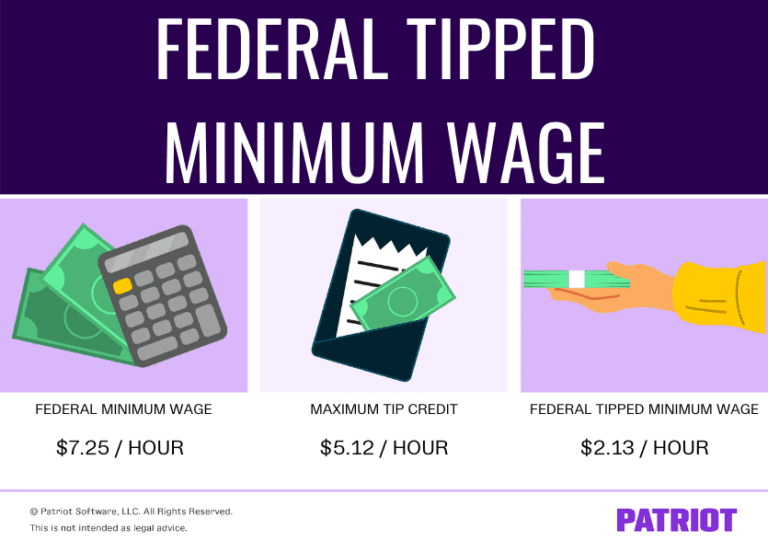
Federal wage rules make plain who qualifies as a tipped employee and what employers must do when they use the tip credit, offering straightforward guidance that affects front-of-house staff and managers alike.
Under the Department of Labor Wage and Hour Division guidance, a tipped employee is someone who "customarily and regularly" receives more than $30 per month in tips. Employers that claim a tip credit against their minimum wage obligations must meet several obligations: they must pay the required cash wage - the federal direct wage floor for tipped workers - notify workers that a tip credit is being claimed, and ensure that an employee’s combined pay from cash wages and tips reaches at least the federal minimum wage for each hour worked. Employers are not permitted to keep employees’ tips except when those tips are distributed through a lawful tip pooling arrangement.
The guidance also clarifies limits on who can be included in tip pools when an employer takes the tip credit. Under current federal guidance, only traditionally tipped employees may be included in a tip pool. That distinction affects how restaurants design pooling rules for servers, bartenders, bussers, and other front-of-house roles. Managers and owners are not appropriate participants in tip pools when the employer is claiming the tip credit; including non-eligible staff can jeopardize the employer’s right to take the credit.
Recordkeeping and notification are front-and-center. Employers should document the tip credit calculation, keep accurate payroll and tip records, and provide clear notice to workers about the use of the tip credit. Those practices reduce disputes at shift end and protect establishments during wage audits or complaints.

For restaurant operators this guidance is a payroll and operations checklist: review wage calculations, confirm who is classified as a tipped employee, audit tip pool membership, and update employee notices and training on tip handling. For workers it provides clarity about when tips must be retained by staff, when employers can rely on a tip credit, and what to expect in pay statements.
State laws can be more protective than the federal rules, so restaurants operating in multiple states should reconcile federal guidance with stronger state requirements. Full details and examples are available from the Wage and Hour Division at dol.gov/agencies/whd/compliance-assistance/handy-reference-guide-flsa. The practical impact is clear: clearer rules mean operators must tighten payroll practices and tip protocols, and workers get firmer protections around how tips and wages are handled.
Sources:
Know something we missed? Have a correction or additional information?
Submit a Tip

.png%3Fwidth%3D1280%26auto%3Dwebp%26quality%3D80%26disable%3Dupscale&w=1920&q=75)