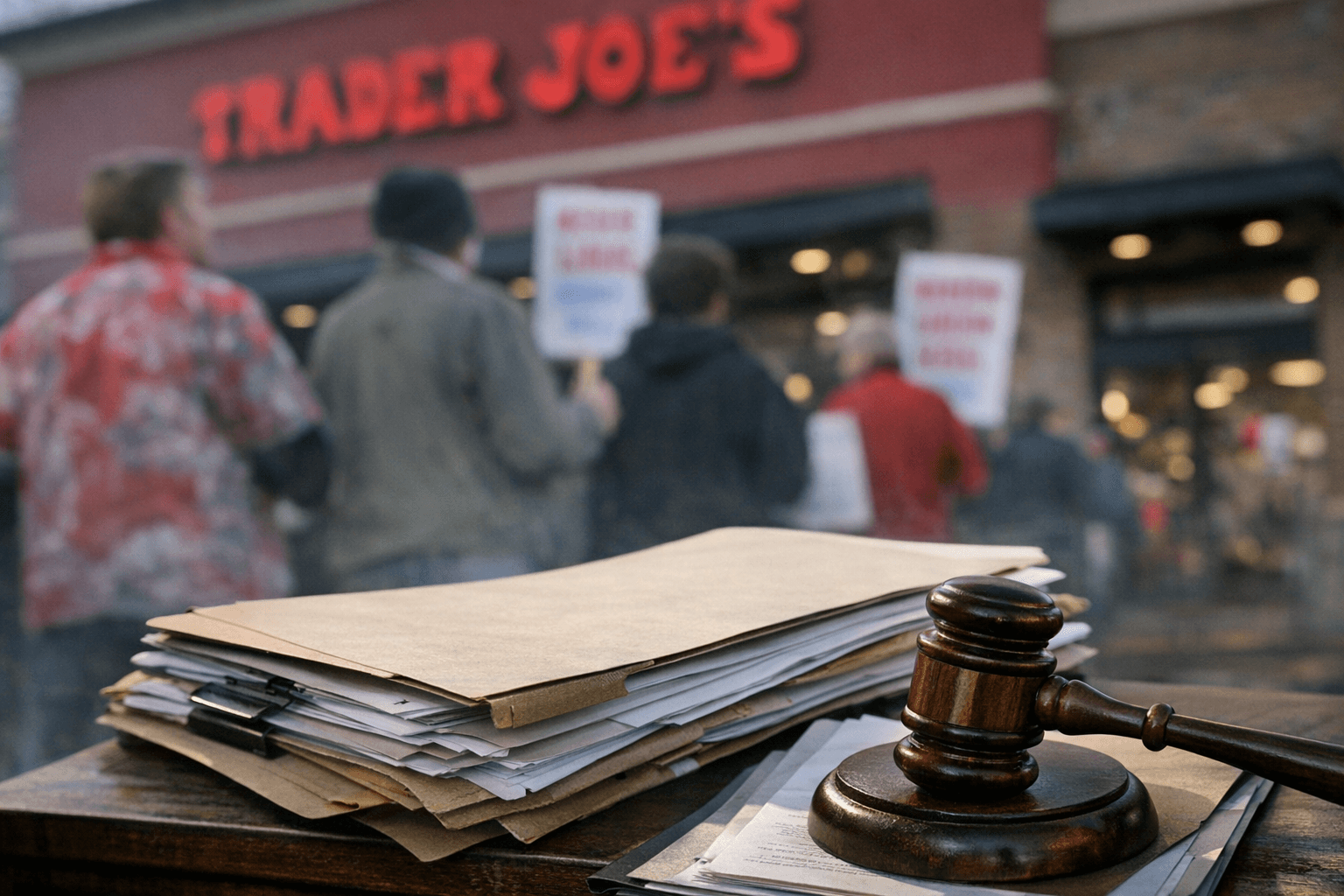
DOL Outlines FLSA Pay, Overtime, Recordkeeping Rules for Trader Joe’s
The DOL restated core FLSA rules that determine pay, overtime and recordkeeping for Trader Joe’s crew and managers, affecting how hours and wages must be tracked and enforced.
The U.S. Department of Labor has outlined the Fair Labor Standards Act standards that govern pay practices, overtime eligibility and recordkeeping practices relevant to Trader Joe’s employees. The guidance summarizes federal baselines on minimum wage, overtime pay, required payroll records and employer posting obligations that directly affect crew members, shift leads and managers.
Under the FLSA, nonexempt employees are entitled to overtime at 1.5 times their regular rate after 40 hours in a workweek. The DOL overview also restates the federal minimum-wage baseline and clarifies that state minimum-wage or overtime laws that are more protective supersede federal requirements. The pages address which hours are considered covered hours worked, the limited circumstances where tip-credit rules apply, child-labor restrictions and the employer duties to post notices where employees can see them.
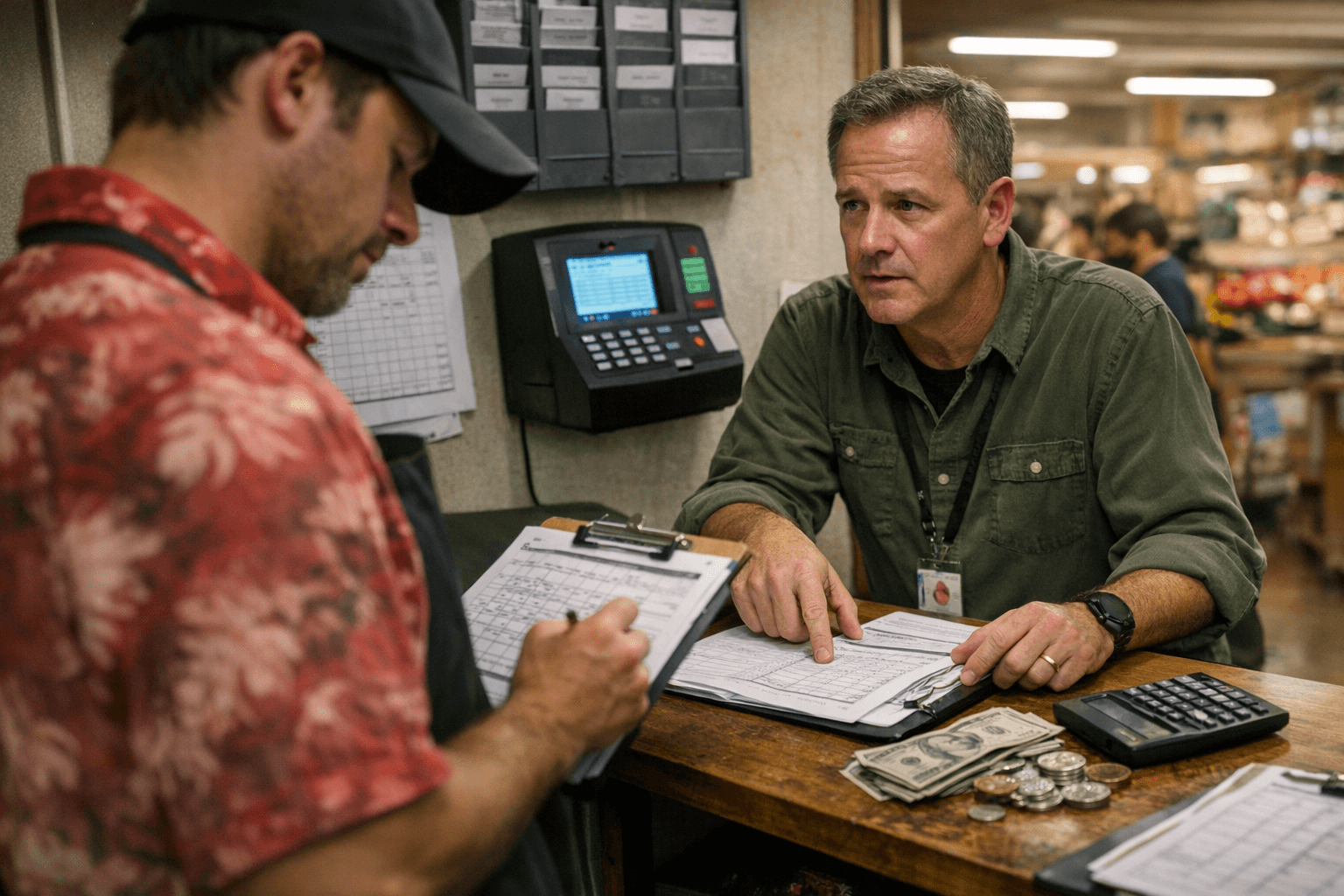
For grocery workers, these provisions bear on routine workplace dynamics. Time spent on the clock across register work, stocking, cleaning and other store tasks counts toward total hours worked and can trigger overtime pay when thresholds are met. For managers, whether a job is classified as exempt or nonexempt determines eligibility for overtime; correct classification and consistent recordkeeping are therefore central to preventing disputes. The DOL guidance underscores employer obligations to maintain accurate payroll and time records, which are often the key evidence in wage claims.
The Department also links to practical tools for workers and employers. Hours-worked and overtime advisors, FLSA fact sheets and bilingual complaint cards aim to make the rules more accessible to a diverse crew. Workers who believe their pay or hours are incorrect can file wage complaints or seek guidance from the Wage and Hour Division. The complaint materials and advisors are intended to help employees check calculations and assemble the records needed to pursue a claim.
The immediate impact for Trader Joe’s staff is procedural and financial. Clearer awareness of the federal floors on pay and the existence of worker-facing tools may prompt more questions about timekeeping practices and classifications at the store level. For managers and human resources teams, the guidance emphasizes the need to post required notices, preserve accurate records and ensure local policies align with both federal and any more protective state rules.
Employees should review paystubs and schedules with these standards in mind, and employers should confirm that timekeeping, classification and posting practices meet FLSA requirements. The DOL resources and Wage and Hour Division remain the next steps for anyone needing clarification or seeking to file a wage claim.
Know something we missed? Have a correction or additional information?
Submit a Tip