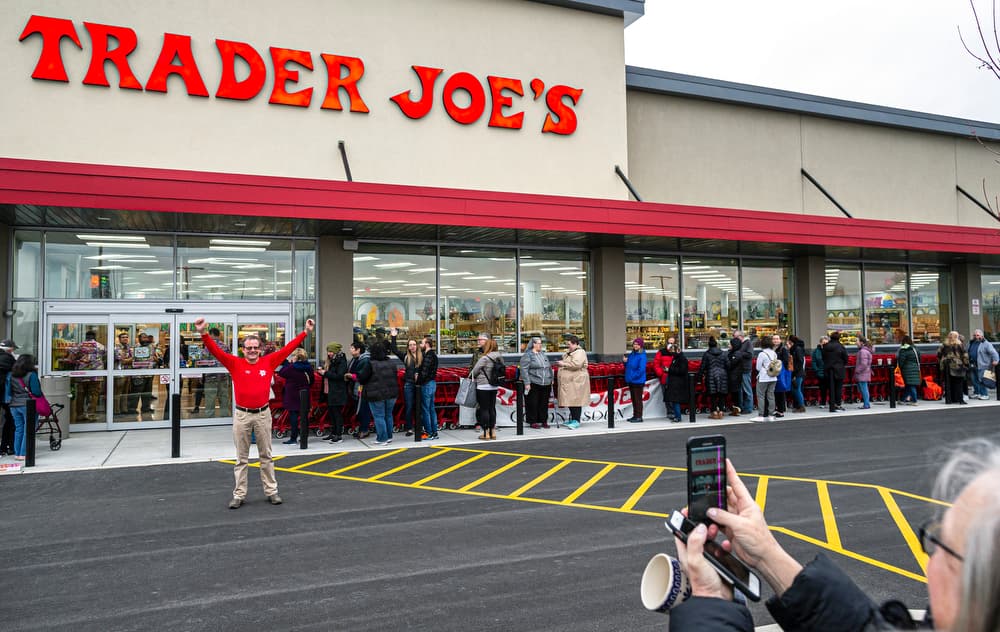
DOL worker-rights page outlines pay and leave rights for Trader Joe's
The DOL wage-and-hour page explains federal pay, overtime, leave rights and complaint steps. It matters for Trader Joe's crew checking pay, overtime and anti-retaliation protections.
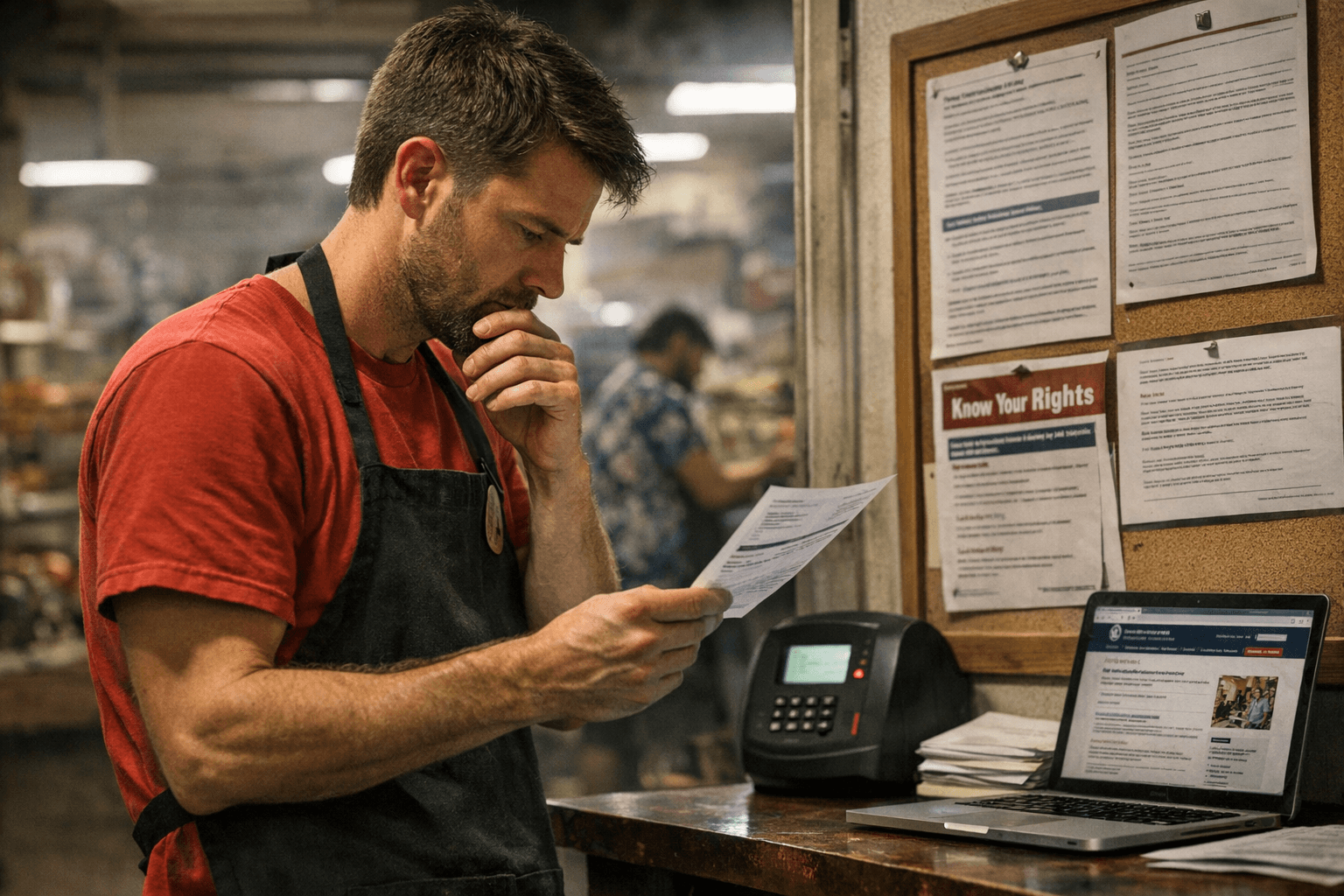
The U.S. Department of Labor Wage and Hour Division maintains a plain-language worker-rights page that lays out federal protections affecting most hourly and salaried workers, and those explanations are directly relevant to Trader Joe's crew. The page summarizes core rules under the Fair Labor Standards Act for minimum wage and overtime, unpaid leave entitlements under the Family and Medical Leave Act, youth and child labor protections, and the process for filing wage-and-hour complaints.
For crew members who believe they have been underpaid, asked to work off the clock, misclassified on pay status, or denied leave, the federal page is the official starting point. It walks workers through how to file a complaint with local Wage and Hour Division offices and explains anti-retaliation protections that apply when employees raise wage-and-hour concerns. The resource also provides contacts for local WHD offices and materials in multiple languages, which can help non-English-speaking crew follow next steps.
The practical impact for Trader Joe's employees is straightforward. Knowing the federal baseline for pay and overtime helps crew compare store practices against legal requirements. The FLSA guidance clarifies when overtime pay must kick in and which workers are covered; the FMLA material explains eligibility for unpaid job-protected leave in qualifying situations. Youth and child-labor rules explain permissible types and hours of work for younger employees. Together, these protections shape routine payroll, scheduling, and leave decisions that affect morale and turnover on the floor.
For supervisors and store managers, the DOL material underscores areas where payroll policy and timekeeping must be precise. Missteps in recording hours, classifying positions, or handling leave requests can trigger investigations and potential remedies, and the WHD contact links make it straightforward for employees to raise concerns outside the company if needed. That external review can change workplace dynamics, prompting policy reviews, retraining, or adjustments to scheduling practices.
Trader Joe's crew should treat the WHD worker-rights page as a reference rather than a substitute for case-specific advice. Documenting hours worked, keeping pay stubs or schedules, and noting conversations about time and leave will make it easier to follow the complaint steps the page outlines. The availability of multilingual resources and local office contacts aims to lower barriers for crew seeking federal enforcement.
What this means for readers is simple: federal protections exist and the DOL provides clear steps if those protections appear to be violated. For Trader Joe's crew, that translates into practical leverage—know the rules, preserve records, and use the Wage and Hour Division contacts and complaint process when pay, overtime, or leave rights are at issue.
Sources:
Know something we missed? Have a correction or additional information?
Submit a Tip