Dollar General Employee Guide: Reporting Injuries, Filing Claims, Appealing Denials
If you're injured on the job at Dollar General, report it immediately, call the company's 24-hour Risk Management Hotline, and document everything to protect medical care and wage-replacement benefits.
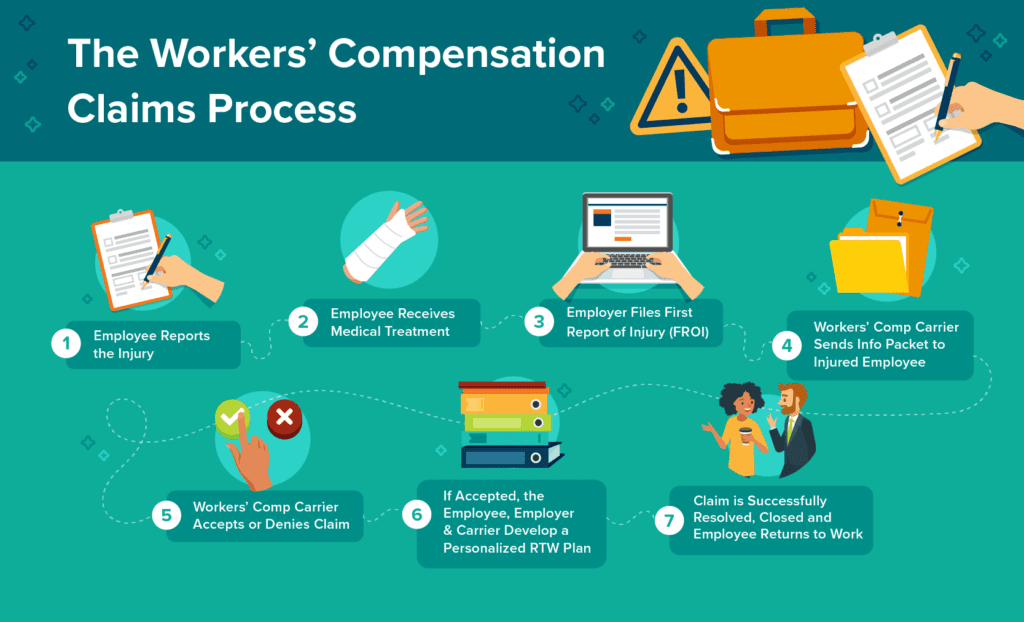
When a Dollar General employee is hurt at work, the first actions shape access to medical care and wage-replacement benefits. Report the injury to your supervisor immediately and put the report in writing as soon as possible. Written documentation creates a record that claims adjusters and the company insurer will use when determining medical authorization and pay while you are off work.
After notifying your supervisor, call Dollar General’s 24-hour Risk Management Hotline and follow any internal reporting procedures your store or district requires. The hotline is intended to start the claims process and alert the company’s risk team; expect follow-up contact from the company insurer or a claims adjuster. That representative typically gathers details about the incident, directs where to obtain approved medical care, and handles wage-replacement paperwork while your claim is processed.
Keep copies of every form, medical note, receipt, and written report. Track time lost from scheduled shifts and note whether managers marked time off as sick, unpaid, or otherwise. Those records matter when a claims adjuster calculates wage-replacement or when you prepare an appeal.
If the insurer denies a claim, employees have options. Appeals must follow state-specific filing deadlines and procedures, which vary widely. File paperwork promptly with your state workers’ compensation board if you plan to contest a denial, and preserve all evidence of the incident and its impact on your ability to work. Consulting a workers’ compensation attorney is recommended when denials involve disputed facts, serious injuries, or when missed deadlines could forfeit benefits.
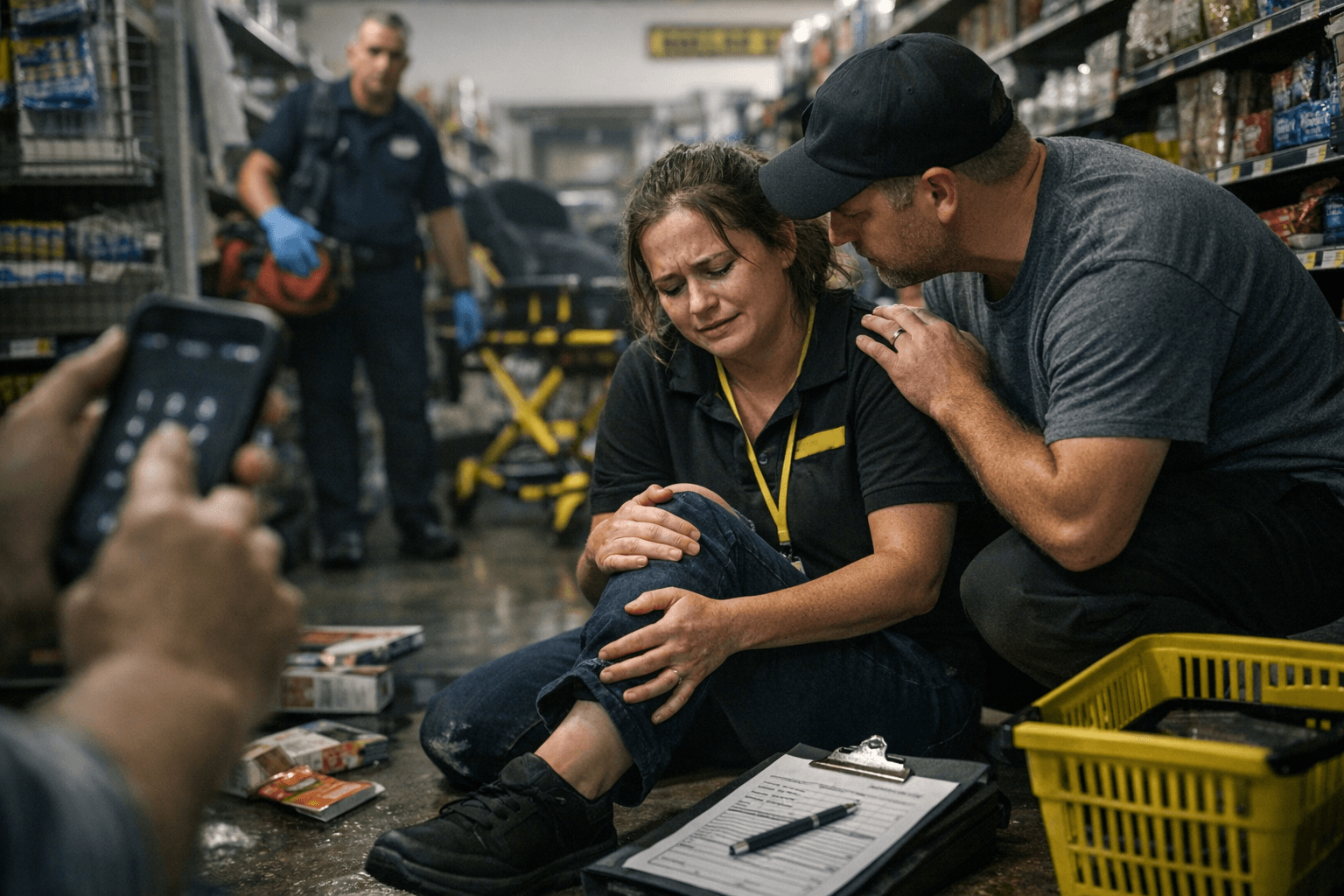
The way a claim is handled affects more than an individual’s pay and care. How managers document incidents, how quickly a hotline report is made, and how staffing is adjusted after an injury influence store safety culture and scheduling. Prompt, accurate reporting reduces ambiguity, eases claims handling, and can limit conflict between staff and store leadership over missed shifts and coverage.
For Dollar General workers, the practical steps are clear: report injuries immediately and in writing, use the 24-hour Risk Management Hotline, keep thorough records, and be prepared to follow state appeals procedures if necessary. Acting quickly preserves options; understanding deadlines and getting legal advice when a claim is denied protects access to medical care and wage-replacement benefits while you recover.
Know something we missed? Have a correction or additional information?
Submit a Tip