Dollar General employees urged to prepare for 2026 health-care cost changes
Prepare now: confirm open-enrollment dates, get your 2026 plan documents, and ask Dollar General HR whether premiums, networks or Axonify training modules will change.
1. Why you need to act now — company context that matters
Dollar General Corporation (NYSE: DG) is entering 2026 after a high-profile operational reset, and that context matters for employee benefits. As one markets analysis put it, "As we enter 2026, Dollar General Corporation (NYSE: DG) stands at a critical juncture in its eighty-year history." The company returned Todd Vasos to the CEO role in late 2023, launched a "'Back to Basics' campaign," and made a $150 million investment in store labor — all concrete signals that leadership is refocusing on operations and the frontline workforce of roughly 160,000 employees.
2. Confirm whether there are actual 2026 plan changes
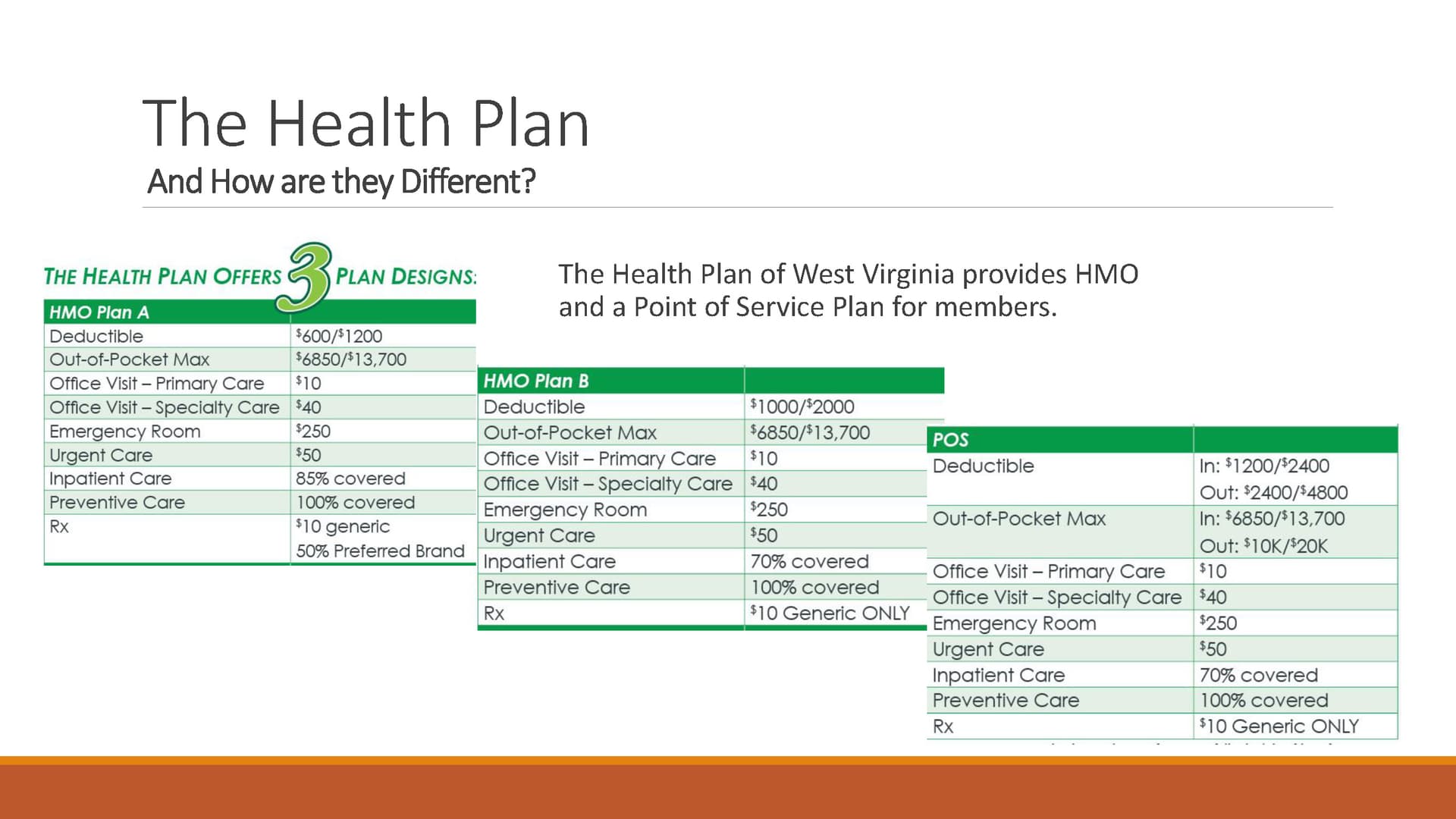
Do not assume how your 2026 employer-sponsored health plans will look — the available reporting does not list premiums, contribution levels, plan designs, or open-enrollment dates for 2026. The research compiled for this guide explicitly found no published premium tables, no Summary Plan Descriptions (SPD) for 2026, and no HR statements on plan changes. Your first task is to get a firm answer from Dollar General HR on whether premiums, deductibles, out-of-pocket maximums, networks, or pharmacy benefits will change for 2026.
3. Get your open-enrollment dates and eligibility rules in writing
Open-enrollment dates and eligibility thresholds determine whether you can change coverage and when changes take effect; neither the markets nor HR reporting include Dollar General’s 2026 enrollment calendar. Ask HR for start and end dates, the effective date for coverage changes, and whether eligibility rules differ for full-time, part-time, or variable-hour employees. With a roughly 160,000 strong workforce, regional and hour-based distinctions are common — verify exactly which group you fall into.
4. Request the core plan documents you’ll need to compare options
Before you choose, insist on receiving these official documents for every plan offered in 2026: Summary Plan Description (SPD), Summary of Benefits and Coverage (SBC), Evidence of Coverage (EOC), and a full premium table that shows employer contribution levels. If Dollar General uses a third-party administrator or insurer, request the insurer’s Evidence of Coverage and the plan formulary. These documents are legally required for informed comparisons — do not rely solely on summaries.
5. Compare premiums, employer contributions, and out-of-pocket costs line by line
Key numbers you must confirm include monthly premium amounts, employer contribution percentages, deductibles, coinsurance, and out-of-pocket maximums for in-network and out-of-network care. The assembled research flagged that the markets piece described operational focus and labor investment ($150 million investment in store labor) but offered no link to benefit generosity — you must get the math from HR, not infer it from corporate spending headlines.
6. Verify provider networks and prescription coverage changes
Network broadness and prescription formularies often drive out-of-pocket cost more than premium differences. The source material does not include any network or pharmacy details for 2026, so explicitly check (1) whether your current primary care and specialists remain in-network, (2) whether the plan’s pharmacy benefit manager or formulary has changed, and (3) whether step-therapy or prior-authorization hurdles will be added or removed. Ask HR for a provider lookup tool and the 2026 drug formulary.
7. Check HSA, FSA, telehealth, EAP and wellness program changes
Decisions about enrolling in a high-deductible health plan (HDHP) with an HSA or a traditional plan depend on employer HSA contributions and any wellness incentives. The available reporting on Dollar General’s training and corporate focus does not mention benefits like telehealth, EAP, or wellness incentives for 2026. Confirm whether HSA eligibility remains, whether employer HSA seed contributions change, and whether any wellness incentives (biometric screenings, tobacco surcharges) will affect your premiums.
8. Use company training infrastructure — but verify it includes benefits education
Dollar General has partnered with Axonify to deliver personalized, continuous learning to its workforce: the HR reporting notes the company "chose to partner with training platform and content marketplace provider, Axonify to help it deliver personalized and continuous business learning and development to its roughly 160,000 strong workforce." The piece describes the platform: "The Axonify platform aims to make on the job training fun and engaging, by doing away with stuffy classrooms and long boring seminars and providing bite-sized and convenient mobile-first modules which employees can quickly and easily slot into their day." Carol Leaman, cofounder and CEO of Waterloo, Ontario-based Axonify, said, "Dollar General’s mission of Serving Others, and thereby serving its employees, is absolutely commendable, and we are proud to further support that mission as a critical partner." She added, "Whether onboarding a new sales associate, rolling out a new technology or product, or communicating company policies, a modern approach to training that evolves from a one-size-fits-all method is critical for today’s front-line employees." Those facts suggest the platform could be an efficient channel for benefits learning — but the sources do not confirm Axonify is being used for open-enrollment or benefits education. Ask HR and Axonify directly whether benefits modules will be deployed and whether completion is tracked.
9. Ask these specific questions of Dollar General HR, benefits administrators and Axonify
The research contains a targeted list of reporter-style follow-ups you should mirror when you contact HR or Axonify: request exact plan design changes (premiums, employer contributions, deductibles, coinsurance, out-of-pocket maximums), open-enrollment dates and effective dates, changes in plan offerings (HMO/PPO/HDHP/HSA eligibility), eligibility rules for full-time vs part-time workers, and whether Axonify will host benefits education modules (module names, rollout schedule, and whether content will be personalized). Also ask whether there are regional plan differences or regulatory notices that affect coverage.
10. Collect and save proof of communications and plan materials
When HR sends enrollment emails, PDF plan comparison sheets, or Axonify modules, save them. Request a copy of the 2026 Summary Plan Description(s) and keep screenshots of any provider lookup or formulary pages. The research stresses these documents as essential; without them you cannot make apples-to-apples comparisons across plans.
11. A short action timeline to follow this open-enrollment season
Start by asking HR for open-enrollment dates and the 2026 SPD today. When you have plan documents, run these three steps: 1) Confirm whether your preferred providers and medications are covered; 2) Do a premium + expected out-of-pocket cost calculation based on your typical utilization; 3) If you’re eligible for HSA, compare employer contribution vs. the tax benefits and your expected deductible spending. The company’s operational reset under Todd Vasos and its investment in labor signal renewed attention to frontline staff, but that does not automatically change plan designs — confirm, document, and then pick the option that best controls your 2026 health costs.
Conclusion — what this means for you going forward Dollar General’s return to operational focus — described in markets coverage as a shift after "operational missteps, rampant inventory 'shrink,' and regulatory scrutiny" — and its investment in training for a roughly 160,000 strong workforce create real opportunities for clearer communications around benefits. However, the research does not provide any specific 2026 health-plan figures, so the only reliable way to prepare is to obtain the 2026 plan documents, confirm open-enrollment logistics, and verify whether Axonify modules will walk you through the choices. Take those steps now so your 2026 medical decisions are based on numbers and documents, not on corporate press narratives.
Know something we missed? Have a correction or additional information?
Submit a Tip