Donald Thompson Charged With Second-Degree Murder in Laguna Pueblo Cemetery Shooting
Federal prosecutors charged a Cubero man with second-degree murder after a Laguna Pueblo cemetery shooting that killed a tribal member, raising safety and jurisdiction concerns for nearby communities.
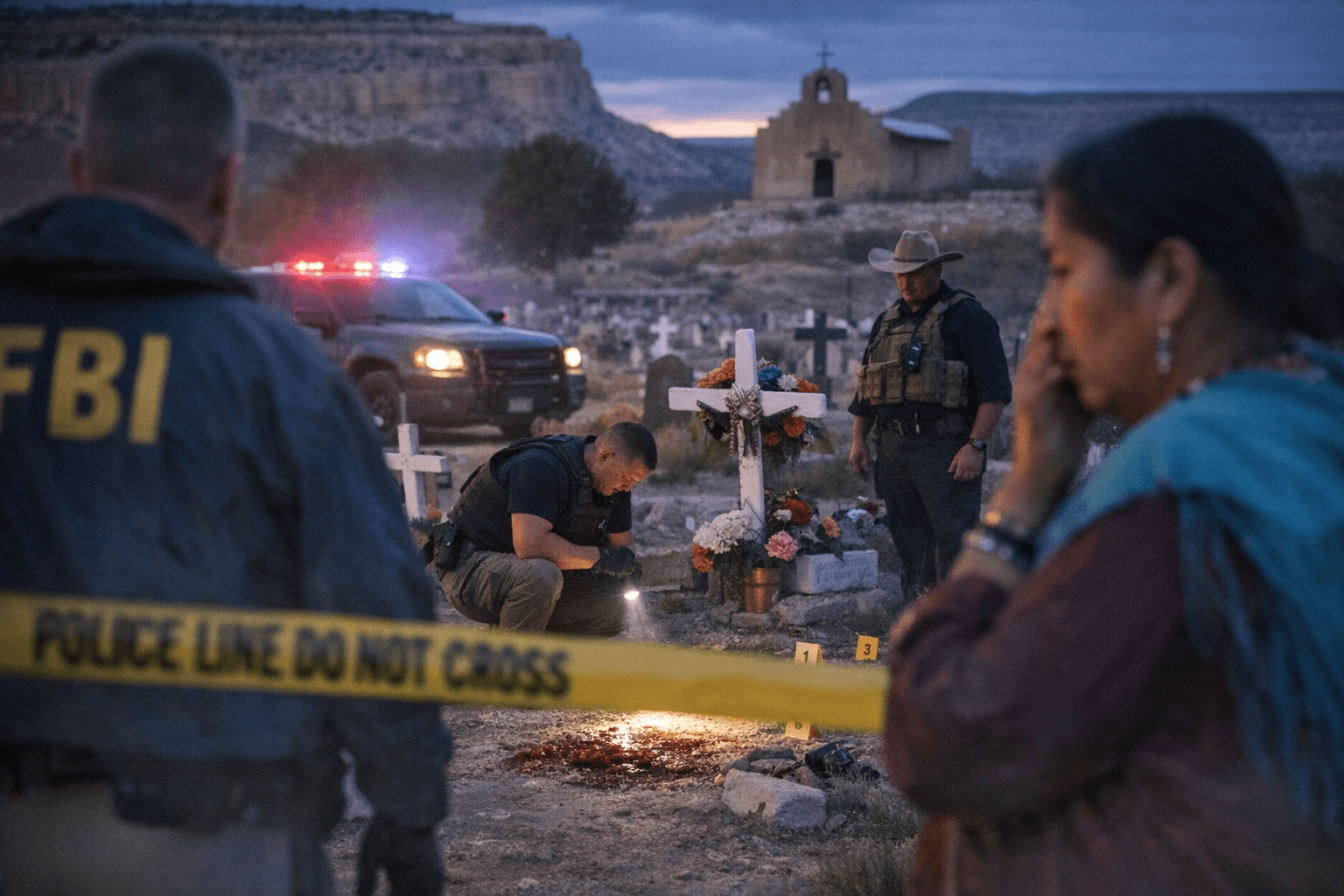
Federal authorities charged Donald Thompson with second-degree murder and weapons offenses after a shooting at a cemetery within Laguna Pueblo that left another tribal member dead. The FBI’s Albuquerque Field Office filed the complaint, which says a single rifle shot killed the victim during a confrontation; Thompson told investigators he believed he was acting in self-defense. Thompson was released on conditions pending trial.
The incident occurred on January 19, 2026, at a burial ground that community members regard as sacred space. The filing alleges a single-shot rifle wound was fatal; the complaint and subsequent release of the defendant outline a case that will be decided in federal court. The FBI’s involvement indicates federal jurisdiction in the matter and reflects coordination between federal prosecutors and tribal authorities in investigating violent crime on tribal land.
For Los Alamos County residents and neighboring pueblos, the shooting underscores immediate public-safety concerns and longer-term questions about how law enforcement and justice institutions respond when violent incidents occur in Indian country. The case raises institutional issues about information-sharing between tribal governments, the FBI, and U.S. attorneys, and how those agencies balance investigative transparency with protections for victims and tribal sovereignty.
Local civic leaders and elected officials will likely face pressure to explain coordination arrangements and community protections. The criminal complaint and the decision to bring federal charges also spotlight broader policy debates: whether current enforcement and prosecution mechanisms adequately prevent violent disputes from escalating, and what resources tribal governments need to support victims, witnesses, and community healing.
The shooting at a cemetery touches on cultural as well as safety concerns. Cemeteries on pueblo lands are central to cultural practice and communal memory, and violent incidents in those settings can exacerbate distrust and trauma. Community organizations and tribal officials often play central roles in responding to such events, both through immediate crisis support and through ongoing efforts to restore trust.
What happens next will be determined in federal court. The release of the defendant on conditions means residents will see court filings and procedural hearings in the weeks ahead; those proceedings will clarify the evidence and the government's path toward trial. For residents, watching court schedules, attending public tribal meetings, and seeking updates from tribal leadership and federal law enforcement will be important ways to stay informed. This case will test how institutions manage accountability, public safety, and cultural respect as the legal process moves forward.
Sources:
Know something we missed? Have a correction or additional information?
Submit a Tip