Douglas County Commissioners Criticize Mayor Johnston’s DC Testimony, Signal Legal Steps
Douglas County commissioners criticized Mayor Mike Johnston’s testimony before a House Oversight Committee and signaled possible legal steps to distance the county from Denver's immigration policies.
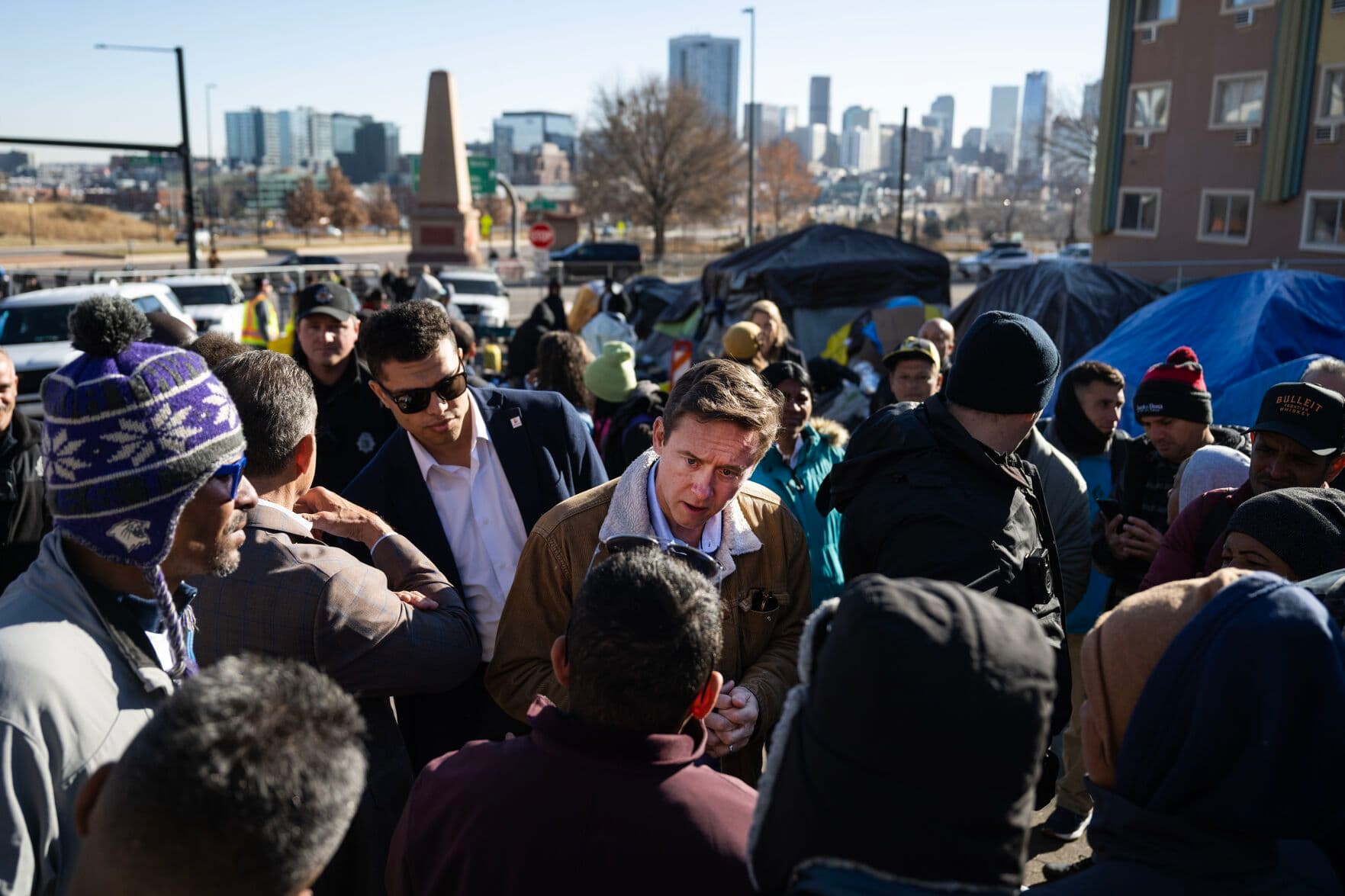
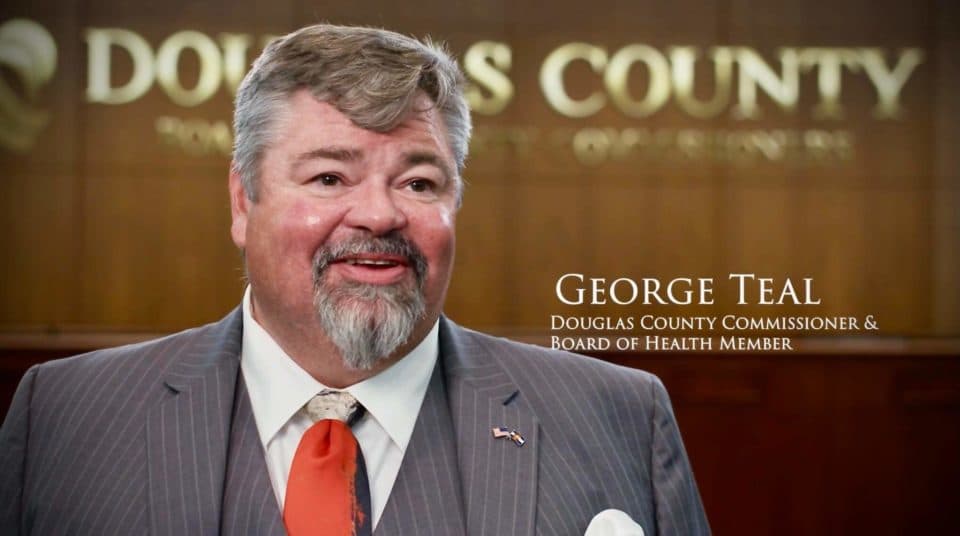
CASTLE ROCK, Colo. — Douglas County commissioners sharply criticized Denver Mayor Mike Johnston’s Jan. 15 testimony before a House Oversight Committee on "sanctuary cities," saying parts of the testimony amounted to political spin and downplayed consequences for neighboring jurisdictions. Commissioners Abe Laydon and George Teal said Johnston did not take ownership of his support for what they described as immigration-friendly policies and that his portrayal minimized local impacts the county attributes to Denver’s approach.
Commissioner Teal used strong language in a county press release, writing, "Move over Joseph Stalin! Mayor Johnston rewrites history in DC." Teal said the line was directed at what he described as the mayor’s lack of accountability for past statements and decisions. Despite blunt criticism, the commissioners said they remain open to working with Denver leaders while making clear their dissatisfaction.
The dispute underscores broader intergovernmental friction across the Front Range as urban and suburban jurisdictions wrestle with the policy and operational fallout from differing approaches to immigration enforcement. For Douglas County officials, the concern is concrete: they allege that Denver’s policies contribute to resource strains and public-safety challenges that have spillover effects on neighboring counties. Those concerns have informed recent county actions and signal why local leaders are considering legal and political steps to protect county resources and public services.
Douglas County already has a legal record in this arena. The county previously sued the state over laws limiting cooperation with U.S. Immigration and Customs Enforcement, and it is currently appealing a decision that dismissed that suit. That litigation shapes the county’s posture and legal options; commissioners framed their statements as an extension of ongoing efforts to press policy differences through courts and through public and political channels.
Practically, the commissioners’ comments could affect interjurisdictional coordination on law enforcement, emergency response, and social services. County residents may see increased attention to resource allocations at upcoming board meetings and in the county’s legal filings. The political signaling also matters: local officials weighing partnerships, mutual-aid agreements, or shared-service arrangements will be watching whether the rhetoric translates into formal actions to limit cooperation with Denver or with state directives.
For Douglas County voters and stakeholders, the episode is a reminder that disputes between city and county leaders have material effects on budgets, service delivery, and public-safety planning. Expect the commission to outline next steps in public meetings and through the county’s ongoing legal appeal, and follow local board agendas to see how officials intend to translate criticism into policy or litigation.
Sources:
Know something we missed? Have a correction or additional information?
Submit a Tip