Douglas County honors Community Response Team for lifesaving work
Commissioners recognized the Community Response Team for saving a resident and supporting long-term sobriety. The acknowledgment highlights local mental-health response and crisis diversion.
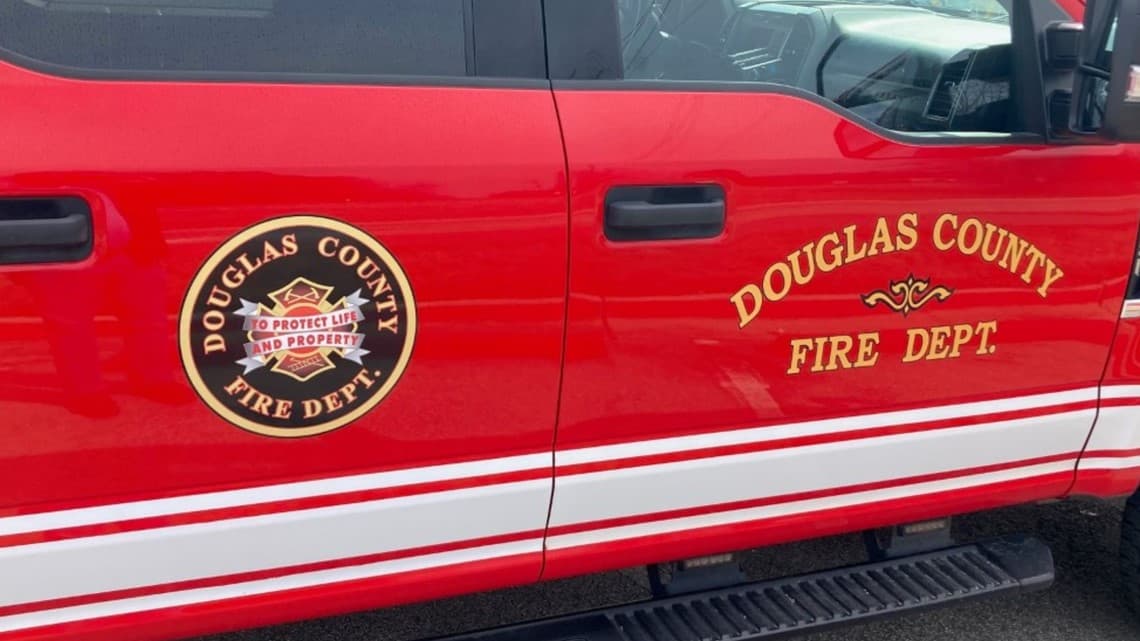
At their Jan. 13 business meeting, Douglas County commissioners publicly recognized Community Response Team clinicians and sheriff's deputies after a resident credited the team with saving her life and helping her maintain long-term sobriety. The ceremony put a spotlight on a model that pairs behavioral-health clinicians with deputies to provide on-scene crisis intervention, connections to services and continuity of care.
Commissioners praised the CRT's role in diverting people from emergency rooms and the criminal justice system by delivering immediate behavioral-health support where crises occur. County leaders framed the partnership between law enforcement and clinicians as an investment in both public safety and public health, aimed at reducing costly, trauma-inducing emergency department visits and the criminalization of mental-health conditions.
The CRT model emphasizes de-escalation and follow-up rather than arrest or transport to hospital emergency departments. By connecting people to ongoing behavioral-health services, the team addresses a key gap that often drives repeated crises: interruptions in care. That continuity can be lifesaving and, as the resident’s testimony at the meeting suggested, can also support recovery trajectories such as sustained sobriety.
For Douglas County, the program has community-level implications. Diverting behavioral-health calls from emergency departments can ease pressure on hospital resources and emergency medical staff, while reducing jail admissions for people whose needs are primarily clinical rather than criminal. Those shifts can produce cost savings over time, but they also carry equity implications: communities historically over-policed or underserved by mental-health systems may gain more humane, therapeutic responses to crisis.
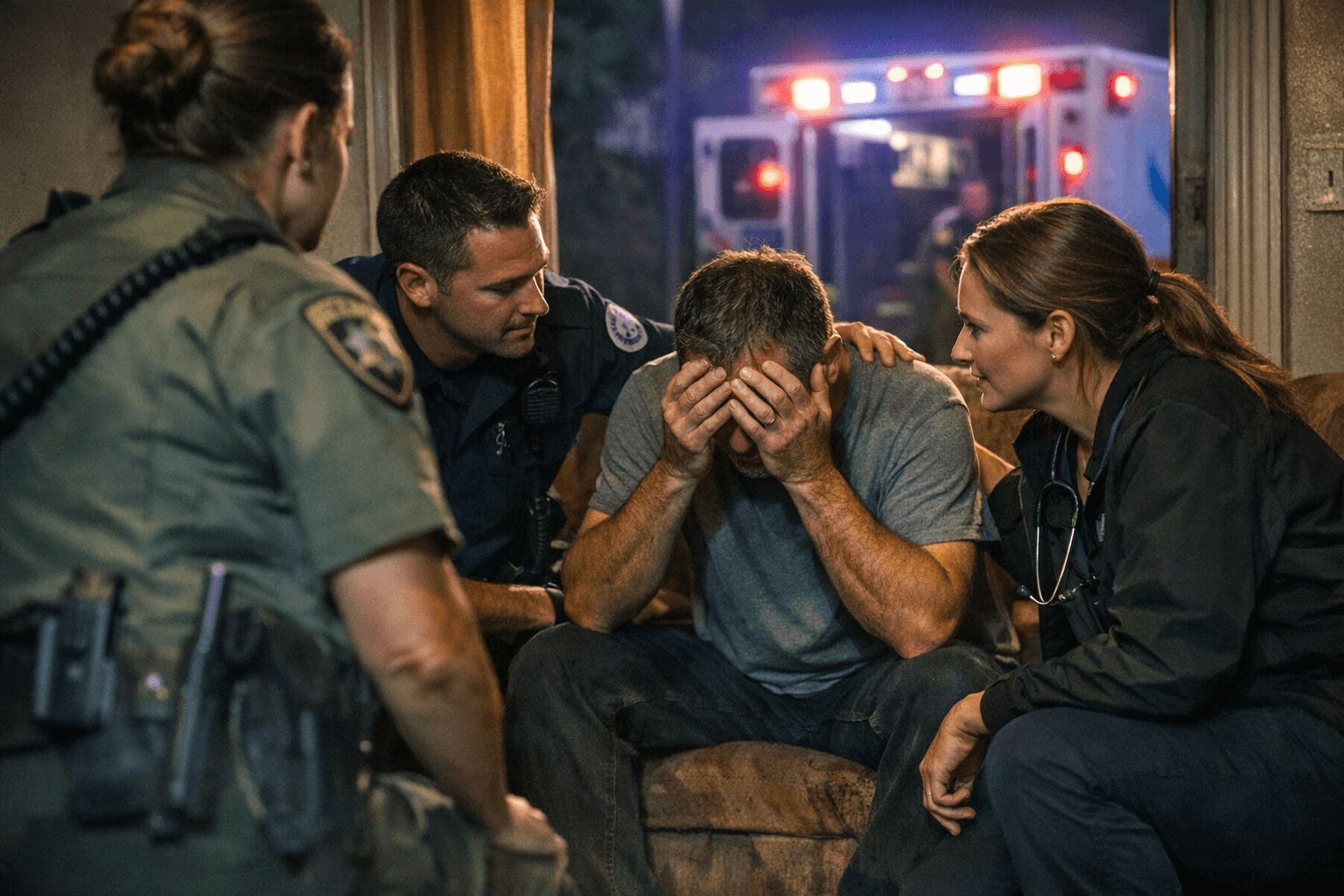
The recognition also reaffirmed a policy choice at the county level to fund cross-sector responses rather than rely solely on traditional policing and hospital-based care. Commissioners framed the CRT as part of broader efforts to build a more responsive behavioral-health infrastructure that reaches people where they are and follows them through care transitions.
For residents, the meeting made clear that on-scene behavioral-health support is a county priority and that local leaders are listening to people who say that clinical partnerships with deputies can change outcomes. The long-term impact will depend on sustained funding, data on outcomes and continued coordination with community providers. In the near term, the recognition points to a growing emphasis in Douglas County on crisis responses grounded in treatment, not punishment, and on expanding options for people facing mental-health emergencies.
Sources:
Know something we missed? Have a correction or additional information?
Submit a Tip