Douglas County outlines Sedalia biochar facility plan at public open house
Douglas County hosted an open house to present plans for a county-owned biochar facility in Sedalia, which officials say will help manage wildfire slash, divert waste, and conserve water.
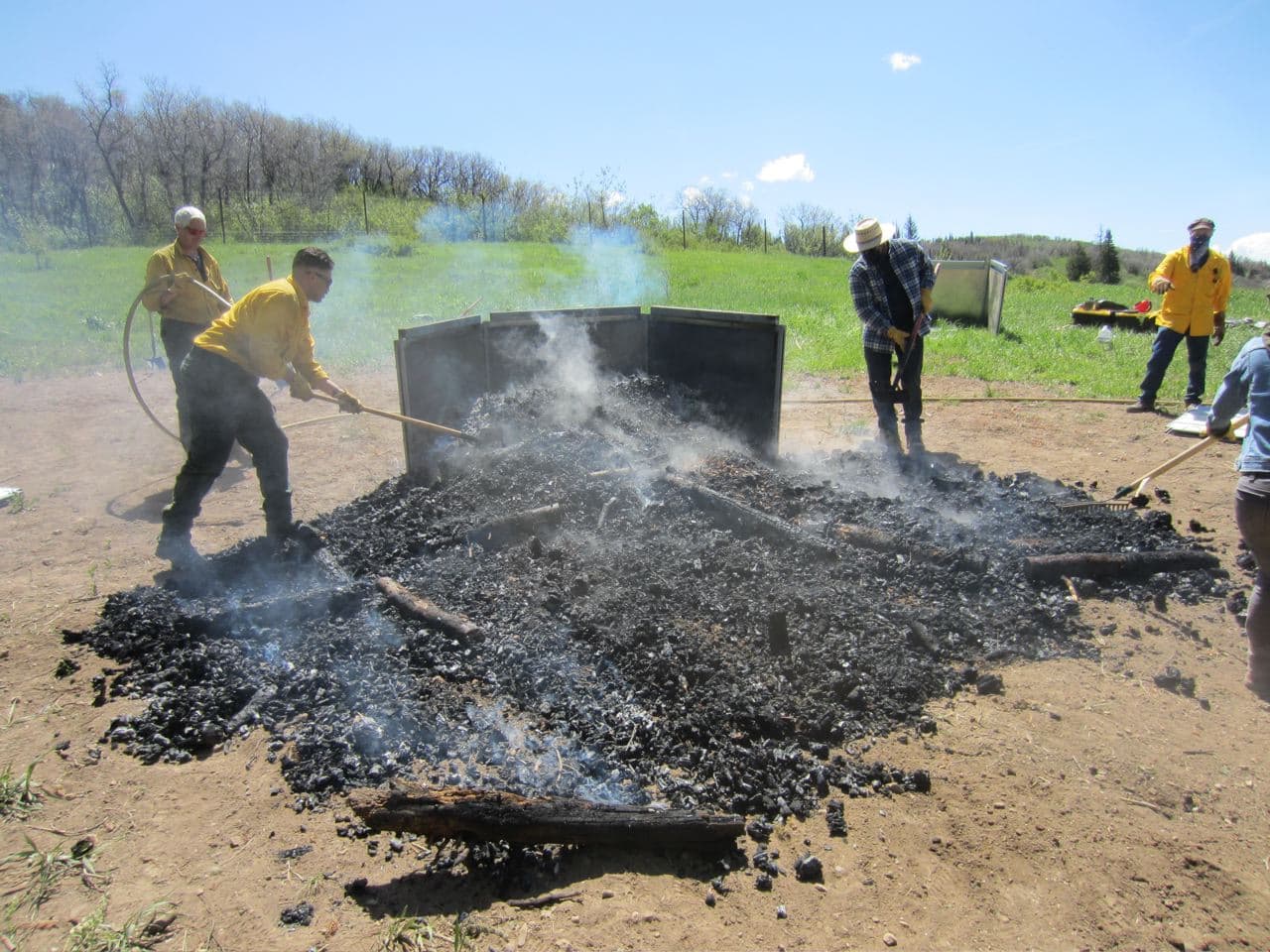
Douglas County officials laid out plans for a county-owned biochar facility in Sedalia at a public open house Jan. 28 in Castle Rock, telling residents the project is designed to turn wildfire-mitigation wood waste into a soil-improving product while reducing landfill burden and conserving water.
County presentations, including an overview video posted Jan. 20 and a Jan. 6 county news invitation, describe the site as the “Douglas County Biochar and Waste Diversion Site” and state the project will open in 2026. County promotional materials characterise the proposal as “the nation’s first county-owned and operated biochar facility”; the county’s event copy said “Douglas County is setting a national standard for wildfire mitigation through innovation, local investment, and forward-thinking technology.”
The open house took place at the Philip S. Miller Building, 100 Third St., Castle Rock, and featured a staff presentation followed by a question-and-answer session with project experts and Commissioner Abe Laydon. County materials credit the Douglas County Wildfire Action Collaborative with originating the idea: “This visionary idea came from the Douglas County Wildfire Action Collaborative, a group of emergency management professionals and wildfire experts,” the county stated.
Officials described the basic technology and intended feedstocks. County and technical outreach materials explain that the facility will use pyrolysis, a thermochemical process that converts waste biomass into biochar, bio-oil and pyro-gas. County copy and the event listing say the plant will convert organic material such as slash from wildfire mitigation projects into biochar. The county video framed the product in practical terms: “So biochar is the byproduct from burning down wood waste. We’re asking our citizens to mitigate their densely wooded areas. This is the facility where they can convert that woody biomass into productive carbon. It’s essentially a fertilizer.” The video also noted local applications: “You can put it on lawns, put it in gardens. I would describe biochar as gold in a treasure box,” and suggested water-use benefits, saying “For places like golf courses that consume a real high level of water, you can end up with a 30% reduction in that water use. That is massive for a county like Douglas County.”
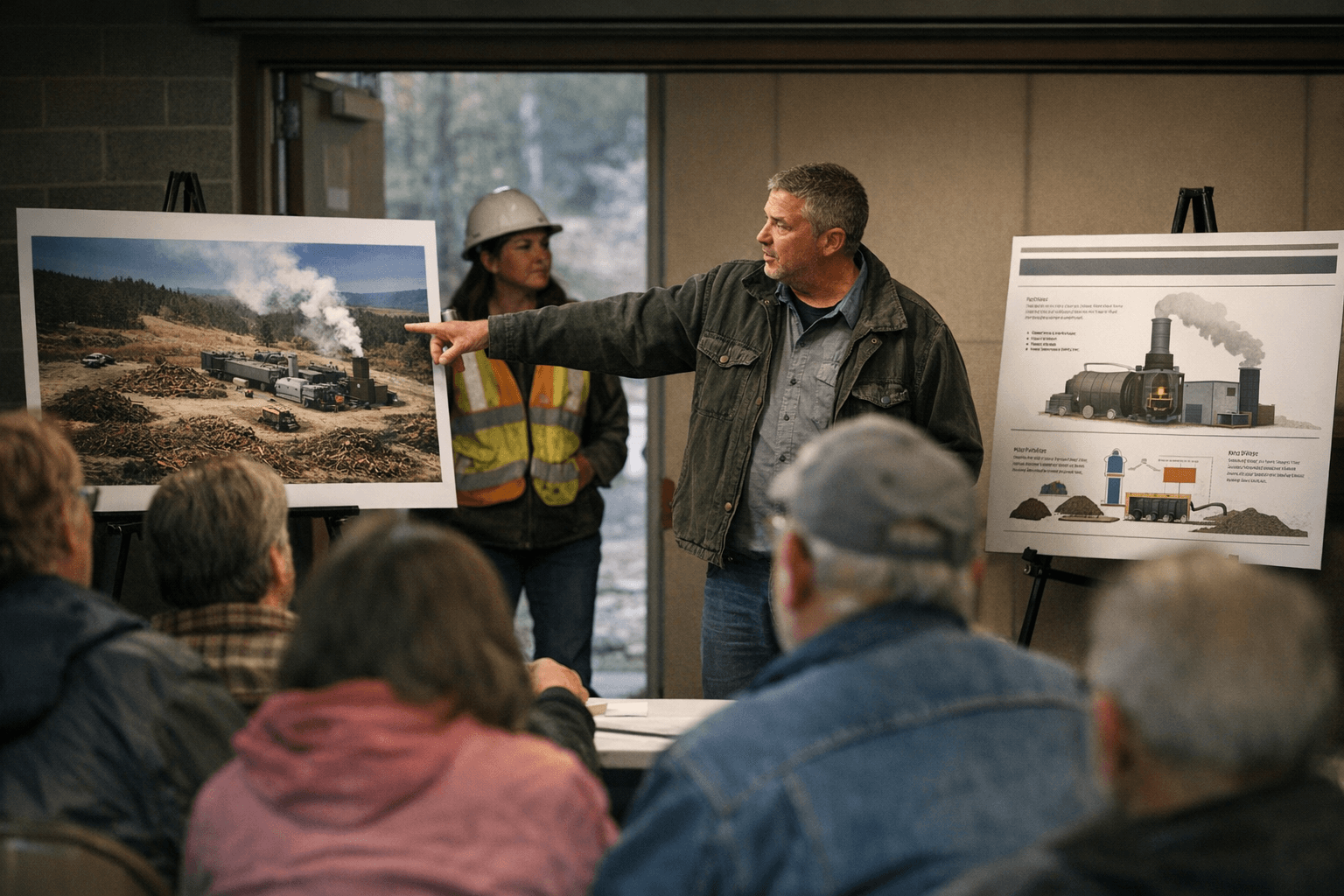
Douglas County presented the project as a public-ownership model that would allow the county to oversee feedstock sourcing and integrate the facility into its waste diversion and land management systems. The Board of Douglas County Commissioners is listed as the investing authority in county news posts.
Several operational specifics were not released at the open house. County slides and recordings referenced equipment purchases and projected throughput, but county public materials captured for this report did not include capital costs, vendor names, throughput figures, permitting details or a construction timetable. County communications say a recording of the Jan. 28 meeting is available for review.
For Douglas County residents, the project promises a local outlet for mitigation debris and a county-controlled mechanism for turning that material into a product with uses across landscaping, agriculture and water-conservation projects. Next steps for the county include posting full presentation materials and procurement details and advancing permitting and construction so the planned 2026 opening can proceed.
Sources:
Know something we missed? Have a correction or additional information?
Submit a Tip
.jpg&w=1920&q=75)