Dow Drops 700 Points as Iran Tensions Drive Fifth Straight Weekly Loss
The Dow plunged nearly 800 points Friday, entering correction territory, as Brent crude topped $110 and the S&P 500 logged its fifth straight weekly loss — its longest streak since 2022.
Gas prices hit $3.98 a gallon nationally on Friday, a dollar higher than a month ago, and Wall Street felt every cent of it. The Dow Jones Industrial Average tumbled into correction territory as Brent crude topped $110 after fresh incidents in the Strait of Hormuz exacerbated investors' energy supply concerns and President Donald Trump's latest comments failed to encourage traders. The 30-stock Dow fell 793.47 points, or 1.73%, to close at 45,166.64. The S&P 500 lost 1.67% and ended the session at a seven-month low of 6,368.85, while the Nasdaq Composite dropped 2.15% and settled at 20,948.36.
The S&P 500's decline extended losses for a fifth consecutive week, its longest such streak since 2022. The tech-heavy Nasdaq slid 3.2% for the week, while the blue-chip Dow retreated 0.9% over the same period.
The week began with a brief surge of optimism. The Dow soared more than 1,000 points on Monday after Trump claimed "productive conversations" had been held with Iran, sending oil prices plunging on hopes that the Strait of Hormuz could reopen. Those gains evaporated quickly. Iran's foreign minister told state media that Tehran has no intention of holding talks with the U.S., even as its leaders review an American proposal to end the war. Iran also dismissed a U.S. ceasefire proposal that had been delivered via Pakistan. By Thursday, the S&P had posted its worst single-session drop since the war began.
Friday brought no relief. Iran's Islamic Revolutionary Guard Corps declared the Strait of Hormuz closed, warning that movement through the key waterway would face a harsh response. Two Chinese ships were turned away from crossing the strait early Friday, and a Thai-flagged cargo ship that had been hit in the waterway ran aground. Meanwhile, the Pentagon was examining sending up to 10,000 additional ground troops to the Middle East to give Trump more military options, even as he weighed peace talks with Tehran.
Trump had offered more potential for hope moments after Thursday's market close, extending a self-imposed deadline to "obliterate" Iran's power plants to April 6 if it doesn't fully allow oil tankers to exit the Persian Gulf through the Strait of Hormuz. Markets were unmoved. International benchmark Brent crude futures rose 2.7% to $110.94 per barrel, while U.S. West Texas Intermediate futures advanced 2.7% to $97.01.
"The diplomatic dissonance this week between the U.S. and Iran dismayed investors," said Doug Beath, global equity strategist at Wells Fargo Investment Institute. "By the end of the week, risk appetite could not withstand the fog of war." Jim Bianco, president and macro strategist at Bianco Research, was blunter: "Any further statements by Trump about a deal are white noise to the markets. Only if the IRANIANS say the talks are going well will it impact markets."

Big Tech stocks were among the heaviest weights on the market, including drops of 3.1% for Amazon and 3.5% for Meta Platforms. The "Magnificent Seven" megacap stocks posted a loss of over $330 billion in market cap for the day alone, and roughly $870 billion in market cap over the course of the week. Norwegian Cruise Line Holdings lost 4.2%, Airbnb fell 4.6% and Lululemon Athletica dropped 3.5% as consumers bracing for higher gas bills pulled back from discretionary spending names.
Investor concerns were driven by energy prices, with gas prices at the pump shooting up to a national average of $3.98, a dollar higher than a month ago. Consumer sentiment fell in March while inflation expectations crept higher on concerns over the war's impact, according to the University of Michigan's closely watched survey, which posted a headline reading of 53.3, down 5.8% from February and 6.5% from a year ago.
Traders in the futures market pushed the probability of a rate increase by year-end to 52% Friday morning, the first time it has crossed the 50% threshold, as global benchmark crude prices topped $110 and inflation pressures built. Federal Reserve officials had left interest rates unchanged earlier in March, acknowledging increased uncertainty due to the war in the Middle East.
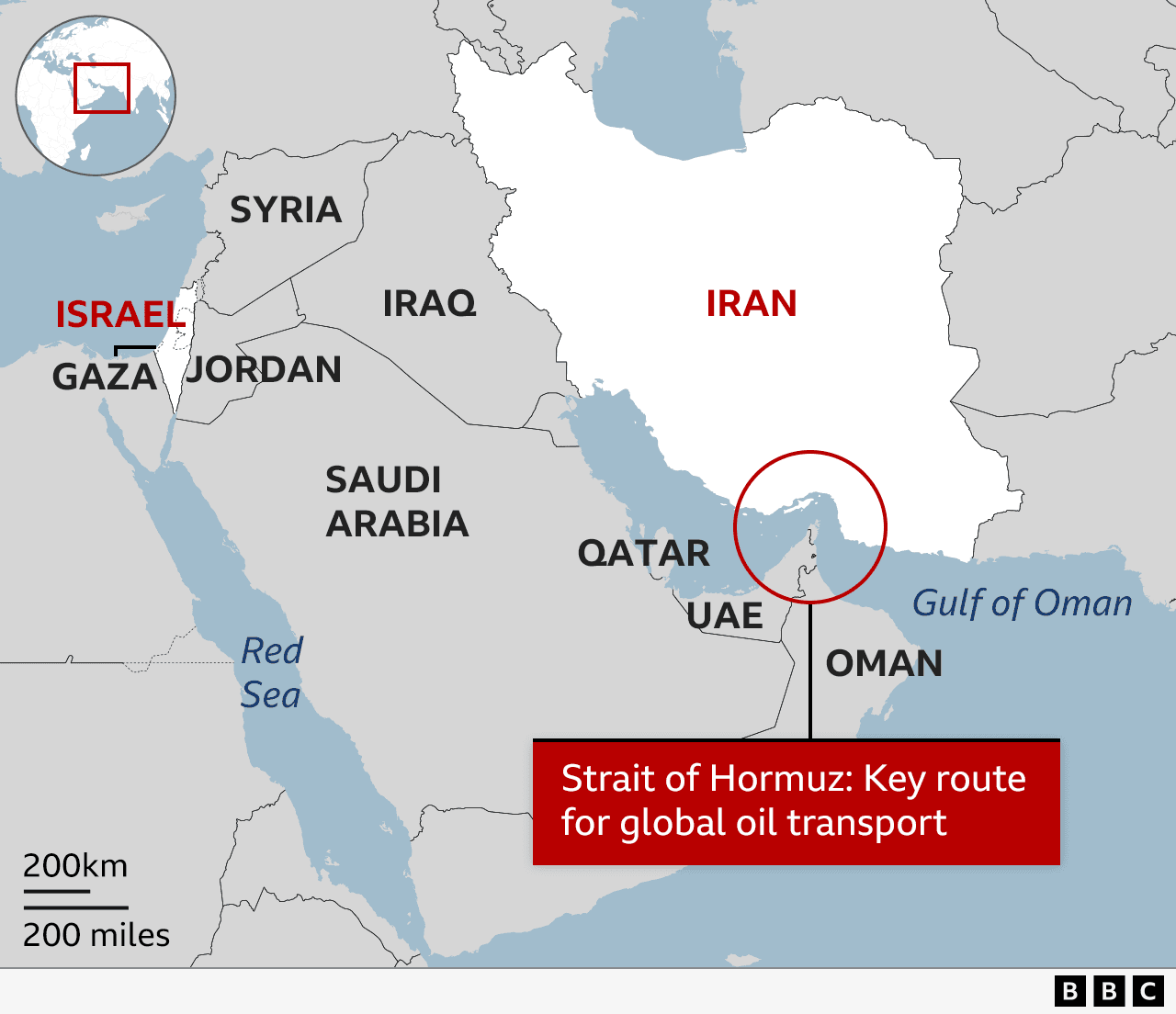
The critical Strait of Hormuz, which connects the Persian Gulf to the Gulf of Oman, remains effectively closed to commercial marine traffic despite White House claims of diplomatic talks. About 20 percent of the world's oil and natural gas shipments pass through the channel. With no sign of that changing, and a new deadline set for April 6, markets have little reason to expect a quieter week ahead.
This article was produced by Prism’s automated news system from verified source data, official records, and press releases, then run through automated quality and moderation checks before publishing. The system is built and supervised by the people who set the standards it runs under. Read our full AI policy.
Did this article answer your question?

