Dozens from Collin County Protest ICE Tactics and Trump Policies in McKinney
Dozens from Collin County protested ICE tactics and Trump immigration priorities in McKinney, raising local concerns about enforcement, detention and community health.
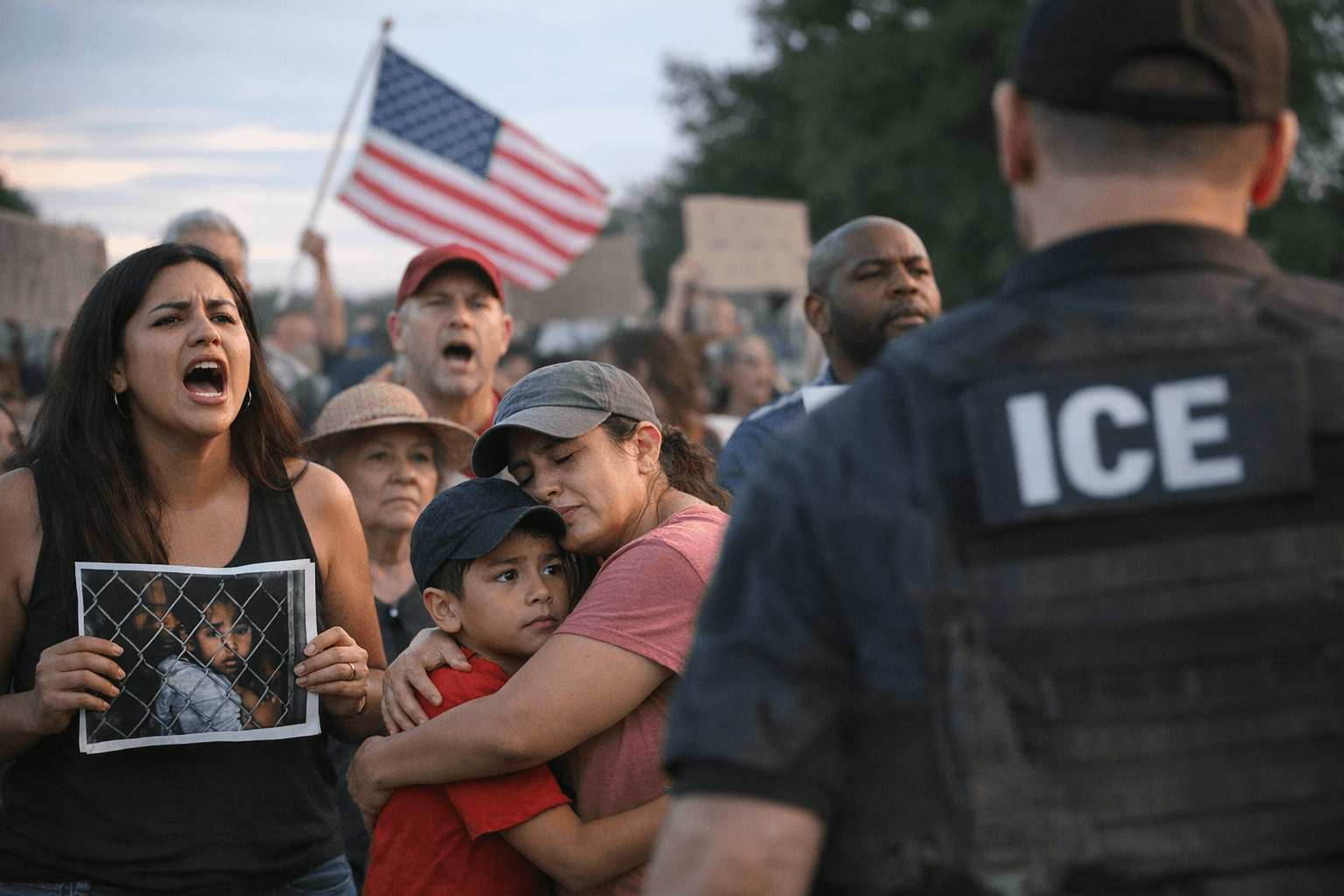
Dozens of residents gathered at the busy intersection of W. University Drive / State Highway 380 and U.S. 75 in McKinney to protest U.S. Immigration and Customs Enforcement tactics and policies associated with the Trump administration. The demonstration took place Saturday afternoon, Feb. 7, and drew people from across Collin County who lined State Highway 380 with signs and American flags.
Protesters chanted “Power to the people, no one is illegal” and “No Kings, No Crowns, No Thrones.” Organizers and participants said the rally was sparked in part by recent national enforcement actions, including incidents weeks earlier in Minnesota in which ICE officers were reported to have killed two people. Organizer Monica Martino, 76, a Plano resident who has organized 17 similar protests opposing Trump since April, called the tactics “unconscionable” and said, “Defending the laws of immigration does not mean mask-wearing, throwing tear gas and smoke bombs at anybody assembled, shooting people in cars,” referring to Good’s Jan. 7 killing. Martino added, “Collin County feels more purple than it ever has.”
Names and faces at the intersection reflected a mix of longtime activists and local residents who described themselves as independents or former Republicans. Jacob Kennedy, 27, a software programmer from Allen who is part of a core group of political independents who regularly attend McKinney protests, took turns holding a volleyball-net sign that read “END ICE TERROR” in large orange letters. He said he started attending protests when he heard about U.S. Health Secretary Robert F. Kennedy Jr.’s opposition to vaccines last year. Jim Berry of Allen was photographed holding a sign among the crowd.
The protest arrived amid a broader national backdrop of increased enforcement activity. More than 70,000 people are in ICE detention so far for fiscal year 2026, according to data released by ICE. Protesters also cited a White House push on deportation priorities, noting that “President Donald Trump had asked officials to prioritize deporting undocumented immigrants since he took office last January.”
Beyond the chants and signs, the demonstration highlights local public health and social equity concerns. Large-scale detention and aggressive enforcement can affect access to health services, deter people from seeking care, and worsen mental-health stress for immigrant communities and families with mixed immigration status. In Collin County, where some residents expressed that political loyalties are shifting, the protest signals growing local engagement on immigration policy and how enforcement practices intersect with community well-being.
For residents, the rally underscores the need to watch for local responses from law enforcement and elected officials, and to follow developments around the Minnesota incidents and ICE detention practices. As organizers plan more actions and community members continue to voice concern, public-health officials, civic leaders and providers will face pressure to address both the medical and social consequences of immigration enforcement in Collin County.
Know something we missed? Have a correction or additional information?
Submit a Tip