Dozens Tell KVPR What Makes Fresno Great and Its Shortcomings
KVPR ran a community “potluck” survey published Feb. 26, 2026 that gathered a few dozen Fresno residents’ views — praising food and friendliness while flagging high housing costs and wages.
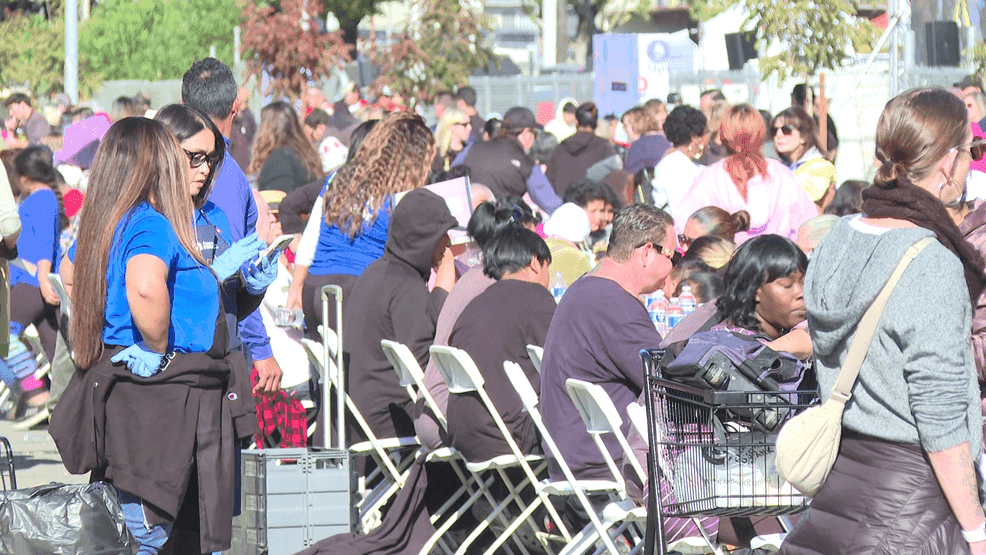
KVPR published a community-driven piece on Feb. 26, 2026 that framed its questionnaire as a local “potluck” and collected responses from a few dozen Fresno residents asking, “What’s good about your city – and what’s bad about it?” The story named participants such as Henry and Behbehani and presented a cross-section of verbal snapshots from long-time and former residents.
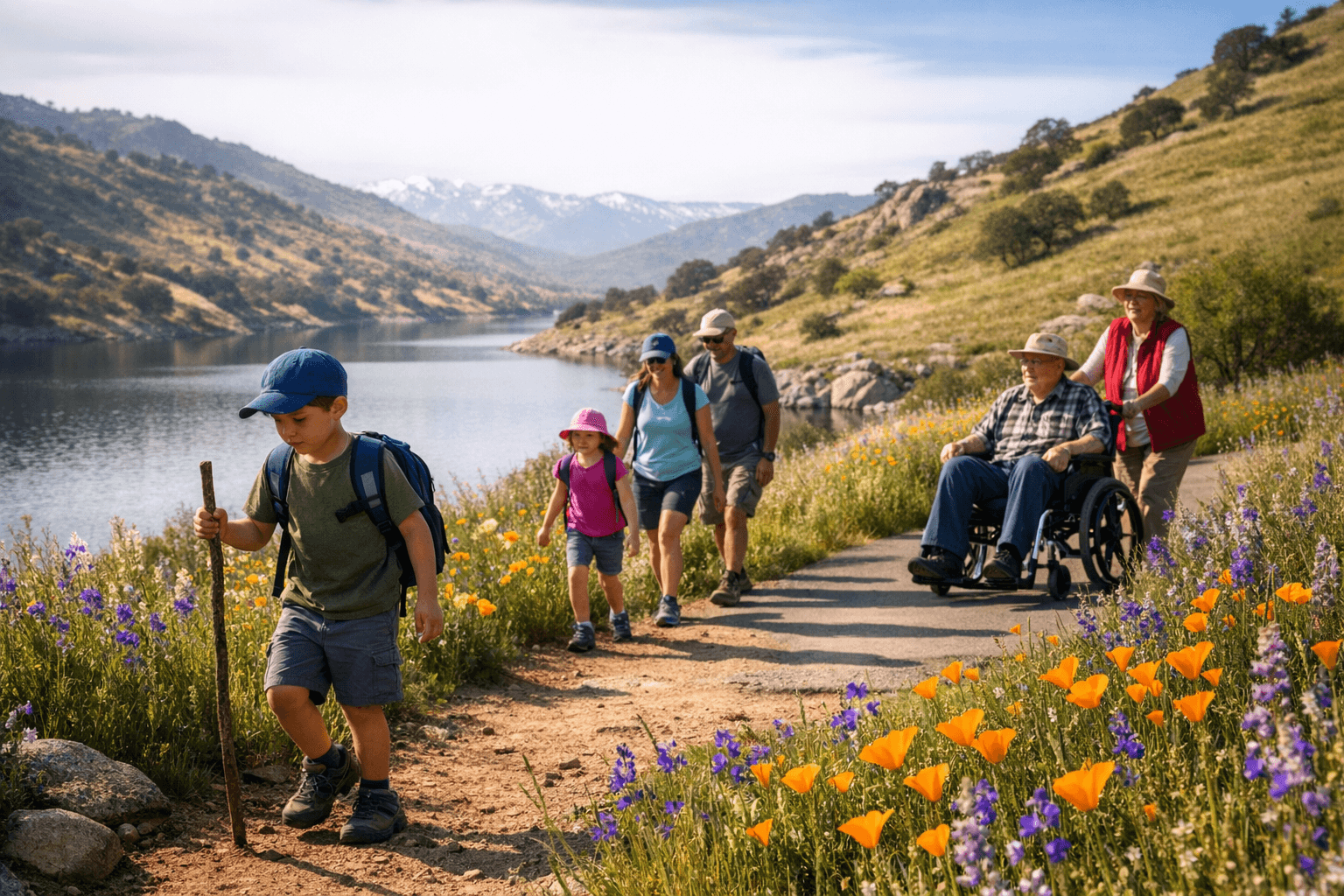
Many respondents pointed to food and people as core strengths. Henry told KVPR, “You can pretty much choose any culture of food on any Friday night and find it somewhere within the city, which I think is really great. It's got a great potluck.” Another respondent said, “Fresno has some of the warmest and kindest people in the entire state of California,” and one person praised “the wonderful autumn and spring weather and the friendly people.”
The questionnaire’s negatives were stark and specific. KVPR summarized respondents’ chief complaint this way: “The bad? High costs of living, like rent and utility payments, and wages that cannot keep up.” That local sentiment sits beside Mayflower’s economic snapshot that lists the average California household at $91,905 annually while Fresno households bring in $63,001, and that “22.1% of residents live below the poverty line — twice the national average.”
Residents also weighed in on growth and where city leaders should focus investment. KVPR noted an ongoing battle between neighbors who want officials to improve existing communities rather than build new ones. Mayflower described broader trends that help explain the tension, saying Fresno has seen “remarkable growth over the past decade, even after the pandemic,” and that the city remains attractive for its relative affordability despite a “desert-like climate.”
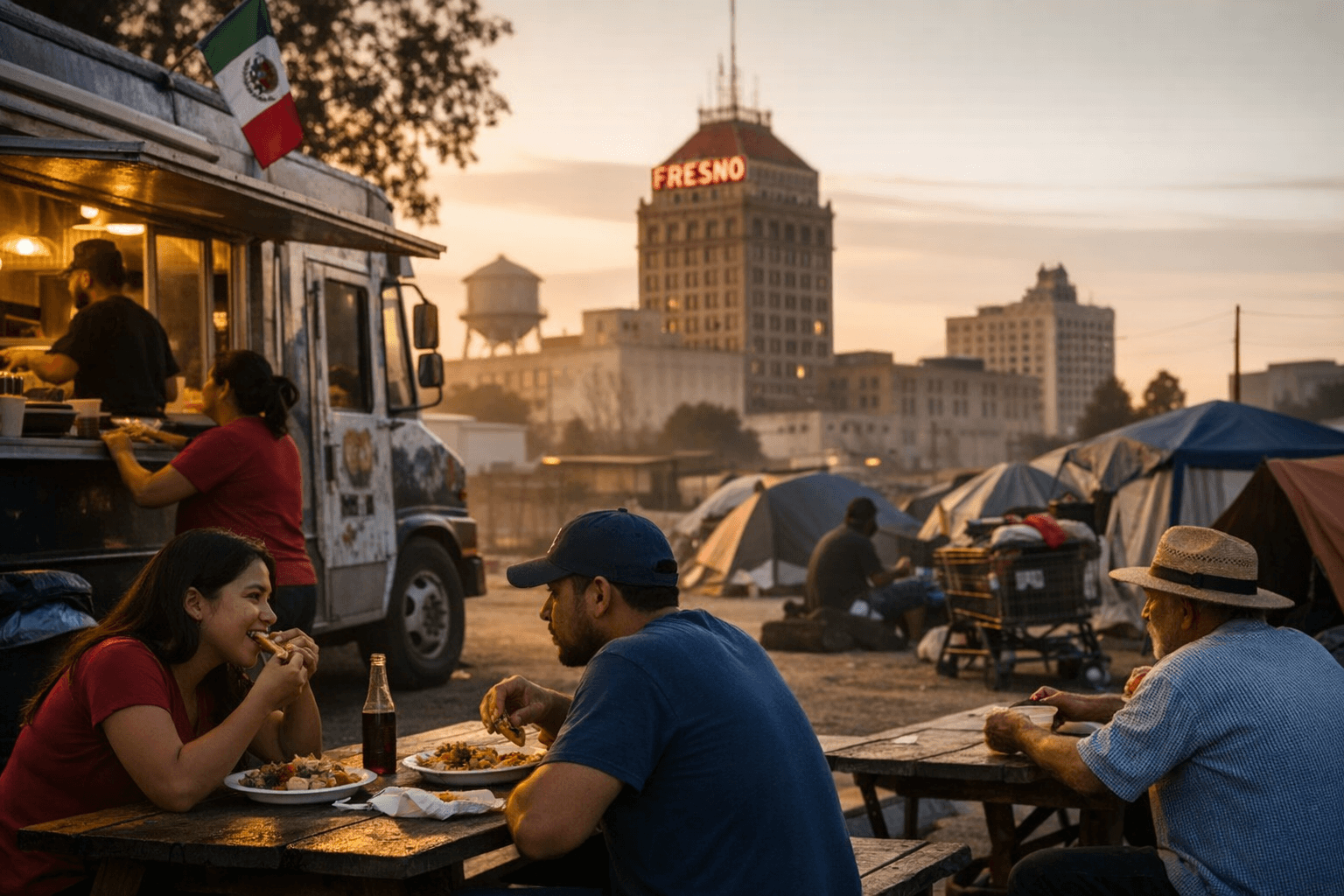
Arts, culture, nightlife and parks emerged as retention and tourism assets in the responses and supplemental profiles. Mayflower lists anchor institutions such as the Fresno Philharmonic, the Fresno Art Museum, the African American Historical and Cultural Museum of the San Joaquin Valley, Arte Américas, the Downtown Mural District, Corridor 2122 and the Rogue Festival, and it notes “three national parks within 90 minutes of Fresno.” The booster site buyingandsellingfresno added nightlife names that residents recognize, including Five, Lime Lite, FAB, The Standard, Old Town Saloon and Tioga Sequoia & beer garden, and touted a growing scene in the Tower District.
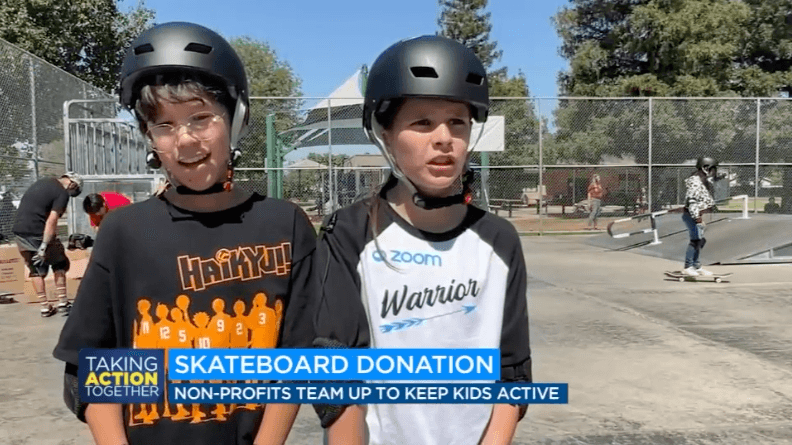
Community-led efforts to respond to the negatives were detailed by Fresno State’s CHHS excerpt on the Fresno DRIVE Initiative. DRIVE, developed and sponsored by the Central Valley Community Foundation with support from the James Irvine Foundation, centers core partners Every Neighborhood Partnership and Fresno Building Healthy Communities and assembles hyper-local hubs for three stated reasons: “To build robust community voice and power through resident organizing, leadership and youth development, advocacy training, and culture-building activities;” “Serve as an access point for referrals and services;” and “Lead neighborhood sourced-and-staffed hyper-local improvement projects that improve the quality of life for those living in the neighborhood (About DRIVE, 2022).” The CHHS material highlights South Fresno as a geographic focus and notes that CVHPI captured a baseline of common concerns in the program’s target neighborhoods.
Some respondents offered specific fixes. Behbehani told KVPR, “We've seen amazing progress, but...turning our city into a more bikeable place, I think, it can improve the health of our community.” KVPR’s local reach and history frame that conversation: Valley Public Radio now branded KVPR broadcasts at 89.3 MHz from Fresno and began regular service on October 15, 1978; the station is owned by White Ash Broadcasting, Inc. and broke ground on a new studio in the Research & Technology Park in Clovis in May 2015, occupying that space since 2017.
Sources:
Know something we missed? Have a correction or additional information?
Submit a Tip