DR Congo declares Ebola outbreak as suspected deaths top 245
Bundibugyo Ebola has spread to 16 health zones in Congo, with suspected deaths now past 245 and Uganda reporting an imported case.

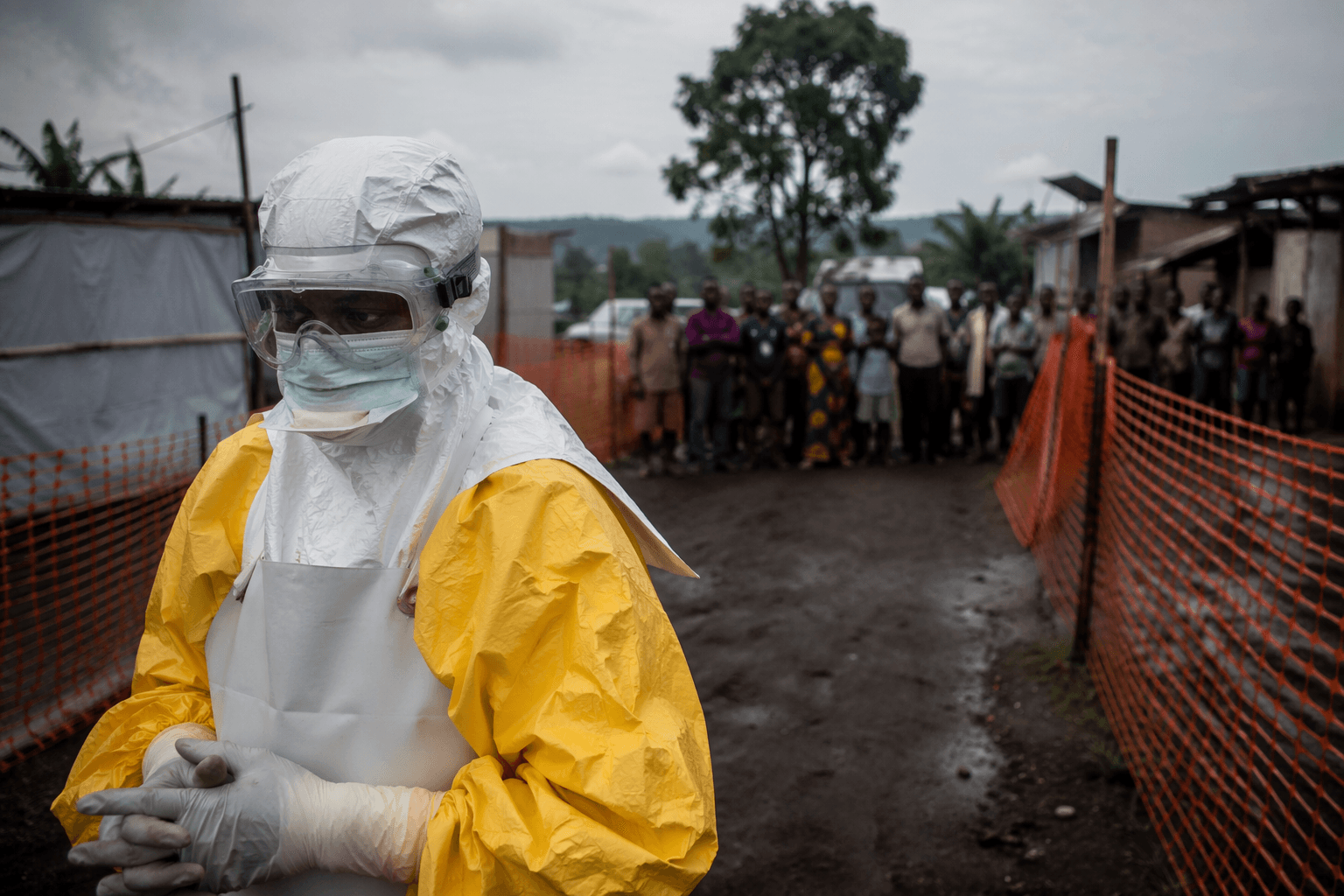
The Democratic Republic of the Congo is fighting a new Ebola outbreak driven by Bundibugyo virus disease, a strain of Ebola with no licensed vaccine or specific treatment. WHO has said suspected deaths have climbed past 245, but the confirmed toll is far smaller, underscoring how quickly a deadly outbreak can outpace laboratory confirmation.
The first alarm came on May 5, 2026, when WHO received word of a high-mortality unexplained illness in Mongbwalu Health Zone in Ituri Province, including reports that four health workers died within four days. By May 15, Congo had officially declared its 17th Ebola outbreak after laboratory testing in eight samples confirmed Bundibugyo virus disease. WHO said the outbreak was already active in Bunia, Rwampara and Mongbwalu, with 8 laboratory-confirmed cases, 246 suspected cases and 80 suspected deaths reported by May 16.
Those numbers show both the scale of the crisis and the limits of what they prove. Suspected deaths do not mean each case has been lab-confirmed as Ebola, but the gap between confirmed and suspected counts suggests transmission is spreading faster than testing and contact tracing can keep up. By May 22, WHO said Congo had 82 confirmed cases and 7 confirmed deaths, while the broader outbreak picture had grown to almost 750 suspected cases and 177 suspected deaths. Uganda later confirmed an imported case from Congo on May 15, a reminder that border crossings are already part of the threat.
WHO raised the alarm further on May 17, when Director-General Tedros Adhanom Ghebreyesus declared the outbreak a Public Health Emergency of International Concern and said urgent action was needed. By May 21, the outbreak had expanded to 16 affected health zones, including 12 in Ituri Province, three in North Kivu Province and one in South Kivu Province. WHO later revised the risk assessment to very high at the national level, high at the regional level and low globally.
Containment is difficult because the outbreak is unfolding in a setting marked by insecurity, humanitarian crisis, remote and densely populated areas, and heavy population movement tied to trade, cross-border travel and mining. WHO said community engagement is essential and has been scaling up surveillance, contact tracing, clinical preparedness, supply delivery and border measures. The deepest vulnerability remains the response gap: health workers are operating in a place where the strain has no licensed vaccine or specific treatment, and where early supportive care may save lives but cannot by itself close the widening epidemic.
This article was produced by Prism’s automated news system from verified source data, official records, and press releases, then run through automated quality and moderation checks before publishing. The system is built and supervised by the people who set the standards it runs under. Read our full AI policy.
Did this article answer your question?