Drivers flock to tribal gas stations as tax exemptions cut prices
Drivers crossed county lines and tribal borders for gas as much as 75 cents cheaper, turning tax exemptions into a clash over savings and sovereignty.
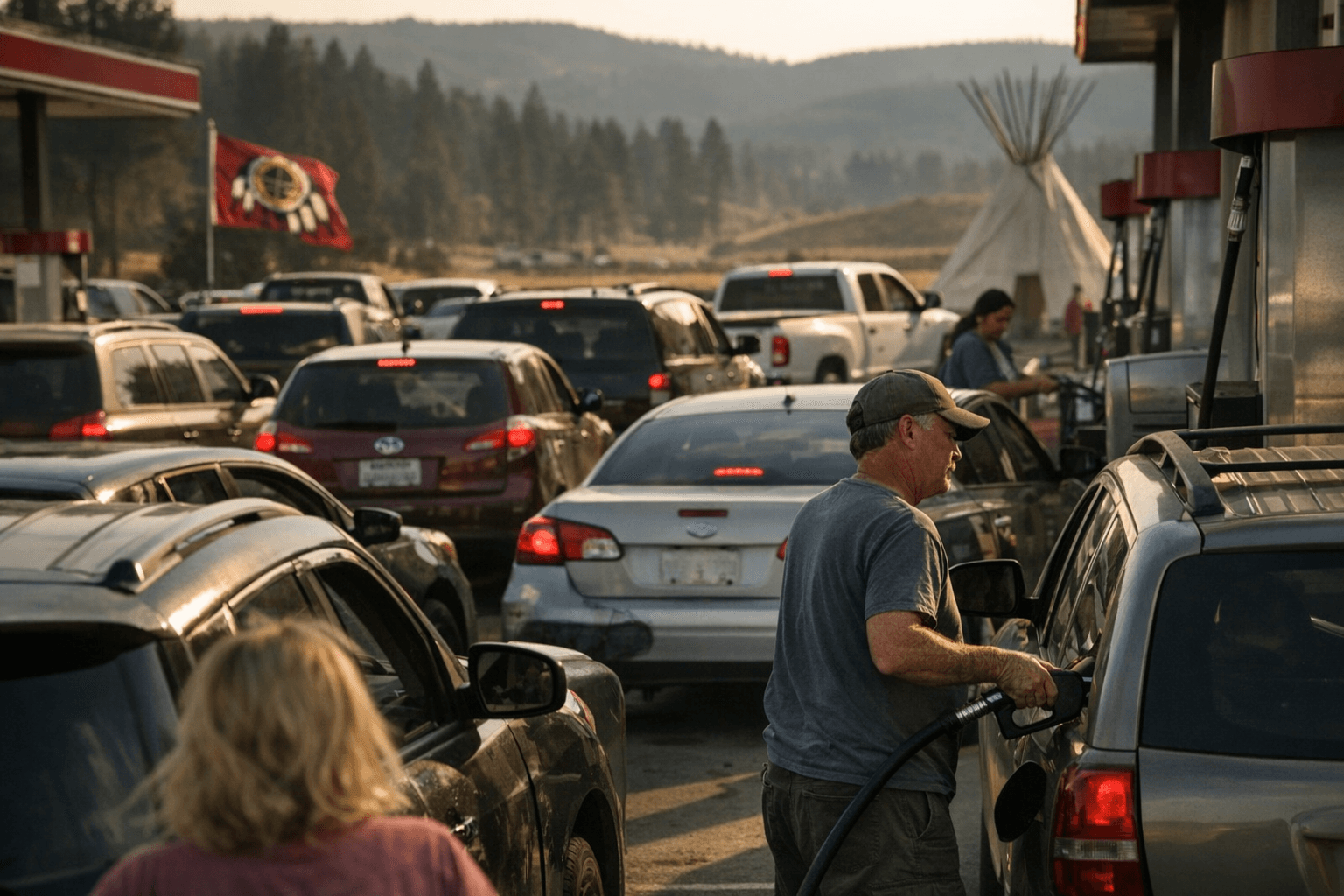
A gallon of gas for $4.84 at Tulalip Market near Seattle drew Junelle Lewis half an hour from home, underscoring the same force pulling drivers to tribal stations from California to New York: tax exemptions that can make fuel 50 cents to 75 cents cheaper than nearby pumps.
The savings have become more visible as gasoline prices climbed well above $1 since Feb. 28, reaching a national average of $4.125 per gallon on April 12. That has sent more motorists hunting through apps such as GasBuddy for bargain stations, including on Native American reservations where tribal operators often do not collect state fuel taxes.
At Tulalip Market, Lewis paid about 75 cents less than prices near her home. At the Chukchansi Crossing Fuel Station & Travel Center between Fresno and Yosemite National Park, gas was $5.09, about 60 cents below nearby stations. On Cattaraugus Indian Territory in eastern New York, gas was about $3.65, roughly 50 cents cheaper than in surrounding towns. On the Mescalero Apache Reservation in New Mexico, gas fell as low as $3.79.
The price gap rests on a split tax system. Tribes generally pay the federal fuel tax, 18.4 cents per gallon on gasoline and 24.3 cents on diesel, but they are often exempt from state fuel taxes. That matters in places like California, where the state fuel tax reaches 71 cents per gallon, compared with 9 cents in Alaska. The difference can translate into noticeable savings at the pump, especially along busy travel corridors where tribally owned stations have become regular stops for commuters and road-trippers alike.
The economic stakes are just as important for tribal governments. There are almost 500 tribally owned convenience stores with gas stations across the country, including 55 in California, and fuel sales help support reservation businesses and services. For many tribes, the stations are not just a price advantage for drivers. They are also a revenue stream tied to local employment, infrastructure and self-determination.
That revenue has long collided with state tax claims, especially in Washington. In 2007, the state legislature rewrote its fuel tax scheme to target suppliers, blenders, distributors, exporters and importers instead of station owners directly. The Yakama Nation fought the change, arguing that treaty language guaranteeing the right to travel on public highways was at the center of the dispute. The fight later reached the U.S. Supreme Court in 2018, a reminder that every cheap gallon on tribal land sits inside a broader contest over sovereignty, taxation and who gets to capture the money at the pump.
This article was produced by Prism’s automated news system from verified source data, official records, and press releases, then run through automated quality and moderation checks before publishing. The system is built and supervised by the people who set the standards it runs under. Read our full AI policy.
Did this article answer your question?

