Drone Racing League Explained: Identical Drones, Stadium Spectacle, Sim Esports
Learn how the Drone Racing League blends identical FPV drones, stadium spectacle and a pro-grade simulator esports pipeline to turn high‑speed quad racing into mainstream sports entertainment.
1. What the Drone Racing League is
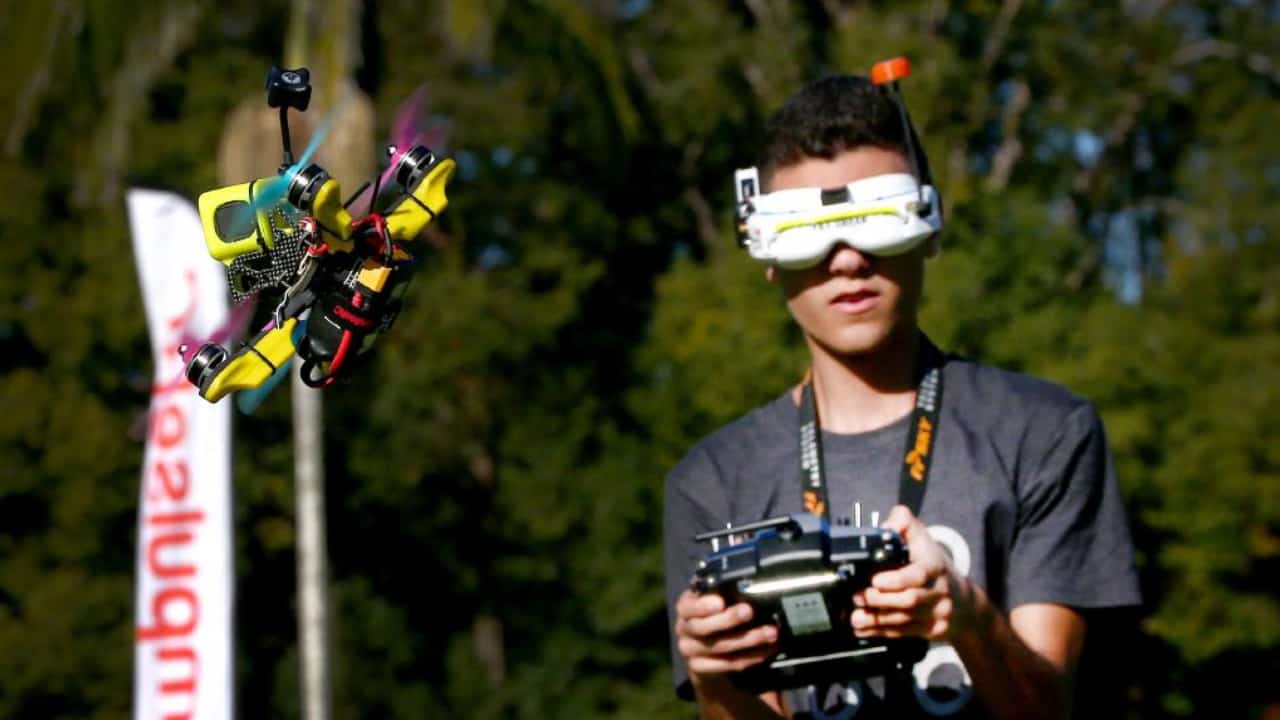
The DRL is a professional first‑person‑view (FPV) drone racing league founded in 2015 that stages short, high‑intensity races using identical, custom‑built drones flown by elite pilots. Its mission is to make drone racing television‑friendly by controlling hardware, course design, timing and visuals so outcomes reflect pilot skill rather than equipment advantages. Expect bracketed heats, elimination rounds and rapid turnaround formats engineered for broadcast pacing.
2. Identical drones and standardized hardware
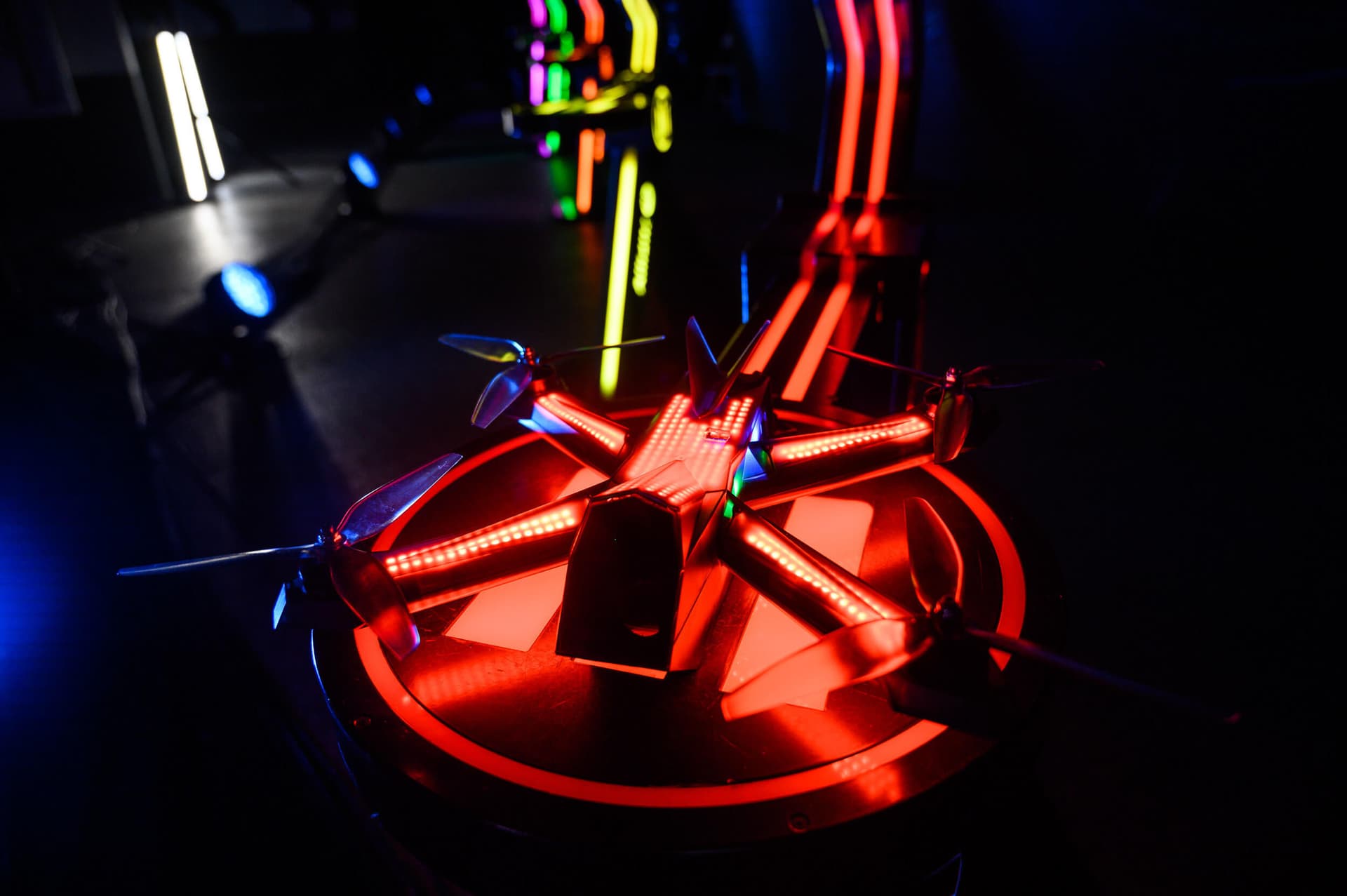
DRL’s insistence on identical airframes and league‑controlled drone platforms levels the playing field and shifts the competition to stick‑time, split‑second decisions and pilot technique. Standardized hardware reduces the “pay‑to‑win” arms race common in grassroots FPV, making results easier to market to mainstream fans and sponsors. For pilots, this means setup, practice and tuning focus on control inputs, line choice and consistency rather than bespoke hardware gains.
3. Race formats and how outcomes are decided
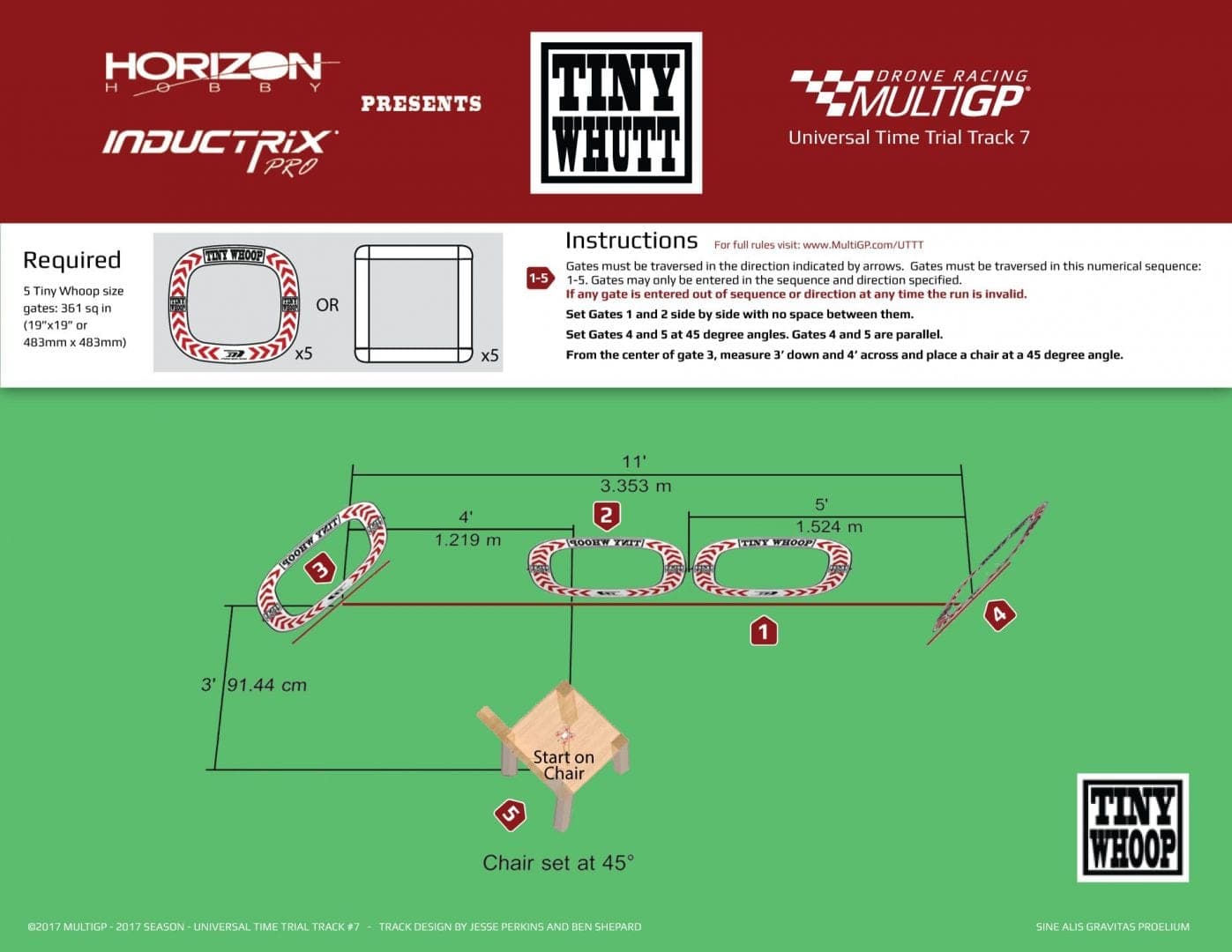
Races are structured around short heats, time trials and head‑to‑head matchups where small mistakes are amplified; a clipped gate or a poor line can mean instant elimination. The format rewards repeatability and mental toughness: pilots must string together quick, clean laps under pressure. Outcomes are transparent to broadcasters via timing systems and instant replays, which help translate pilot performances into compelling narratives for viewers.
4. Pilot performance and team dynamics
Elite pilots bring surgical precision, muscle memory and adaptability—skills honed in sim hours and real‑world practice. Teams operate more like racing crews than hobby clubs: they manage tuning, briefings, risk management and pilot rotation to maximize consistency across heats. While individual flair matters in final laps, team prep, telemetry analysis and pit discipline often determine who reaches the podium.
5. Stadium spectacle and course design
DRL stages races in stadiums and landmark venues with immersive courses built to test technical skill and produce visual drama. Production‑grade lighting, timing gates and cinematic camera rigs create a spectator show that reads well on TV and in arenas. Course designers intentionally craft choke points, vertical elements and long sightlines to create passing opportunities, risk‑reward choices and highlight reels that drive social clips.
6. DRL SIM and the esports talent pipeline
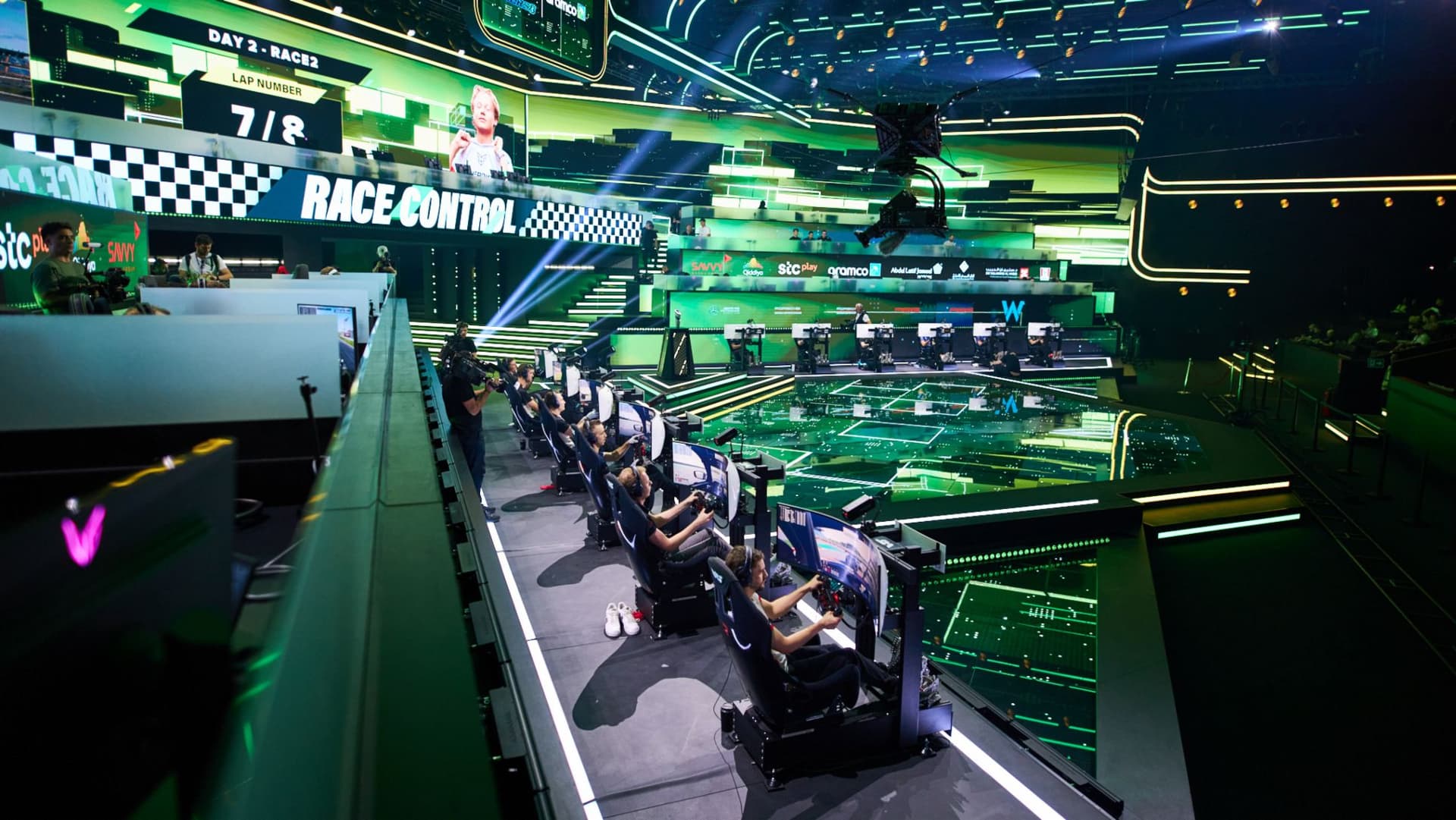
DRL SIM serves as both a training ground and an esports product: the simulator mirrors league airframes and physics so top sim pilots can transfer skills to real quads. It functions as a scouting pipeline where leaderboard performance, tournaments and virtual qualifiers surface new talent without costly travel. For the league, the sim also diversifies revenue via in‑game events, sponsorship overlays and a global competitive ecosystem.
7. Broadcast partnerships and media distribution
DRL packages races for television and streaming with an emphasis on storytelling, replayability and fan‑friendly graphics that demystify FPV racing for newcomers. Broadcast partners amplify reach, while tight production standards make sponsorship inventory and branded integrations more valuable. This media approach is essential to convincing traditional sports audiences—and advertisers—that drone racing deserves prime real estate on schedules.

8. Industry trends and business implications
The DRL model shows a path for niche tech‑sports to scale: standardize competitive equipment, invest in production, and build a parallel digital platform to broaden talent access and monetization. Sponsors see value in the league’s cinematic visuals and tech credentials; venues gain a new live entertainment product that draws younger, digitally native fans. Expect further convergence with gaming, AR overlays and cross‑platform IP as the league chases sustainable revenue.
9. Cultural context and social significance
Drone racing sits at the intersection of DIY maker culture and mainstream sports entertainment, translating hobbyist technical literacy into a spectator spectacle. The league’s simulator and global reach democratize entry points, offering pathways for diverse talent who may lack local field access. At the same time, integration with broadcast norms raises questions about who gets visibility and how community values—openness, tinkering—are preserved as the sport professionalizes.
- Watch the heats: the bracket structure means every lap can change the story; follow pilot consistency across rounds rather than a single fast lap.
- Follow the SIM leaderboards and qualifiers: many pilots earn recognition online before they fly in arenas.
- Pay attention to course design and broadcast cues: lighting changes, timing overlays and replay angles highlight where battles are won and lost.
10. How fans can engage and what to watch for
Engagement can range from streaming races to learning FPV basics in sims; fans who understand the technical constraints appreciate the razor‑thin margins.
11. Practical wisdom for fans, pilots and stakeholders
If you want to follow or participate, start in the sim—your muscle memory and racecraft will scale to real‑world flights faster than hardware tinkering alone. For sponsors and venues, invest in production quality and cross‑platform activation: the visual spectacle is the product. For pilots, prioritize consistency, mental game and teamwork—those traits win heats, media attention and career longevity.
Closing thought: drone racing has moved beyond garage builds into a curated, broadcastable sport where identical drones sharpen human narratives, the sim widens the talent funnel, and stadium lights turn pilot skill into prime‑time drama—so get ready to cheer for precision as much as speed.
Sources:
Know something we missed? Have a correction or additional information?
Submit a Tip