DuckStation rolling release updated on GitHub with GPU, UI, stability fixes
DuckStation's rolling release updated on GitHub with GPU, UI and stability fixes, improving deinterlacing, texture paths, frame pacing and memory stability for bleeding-edge users.
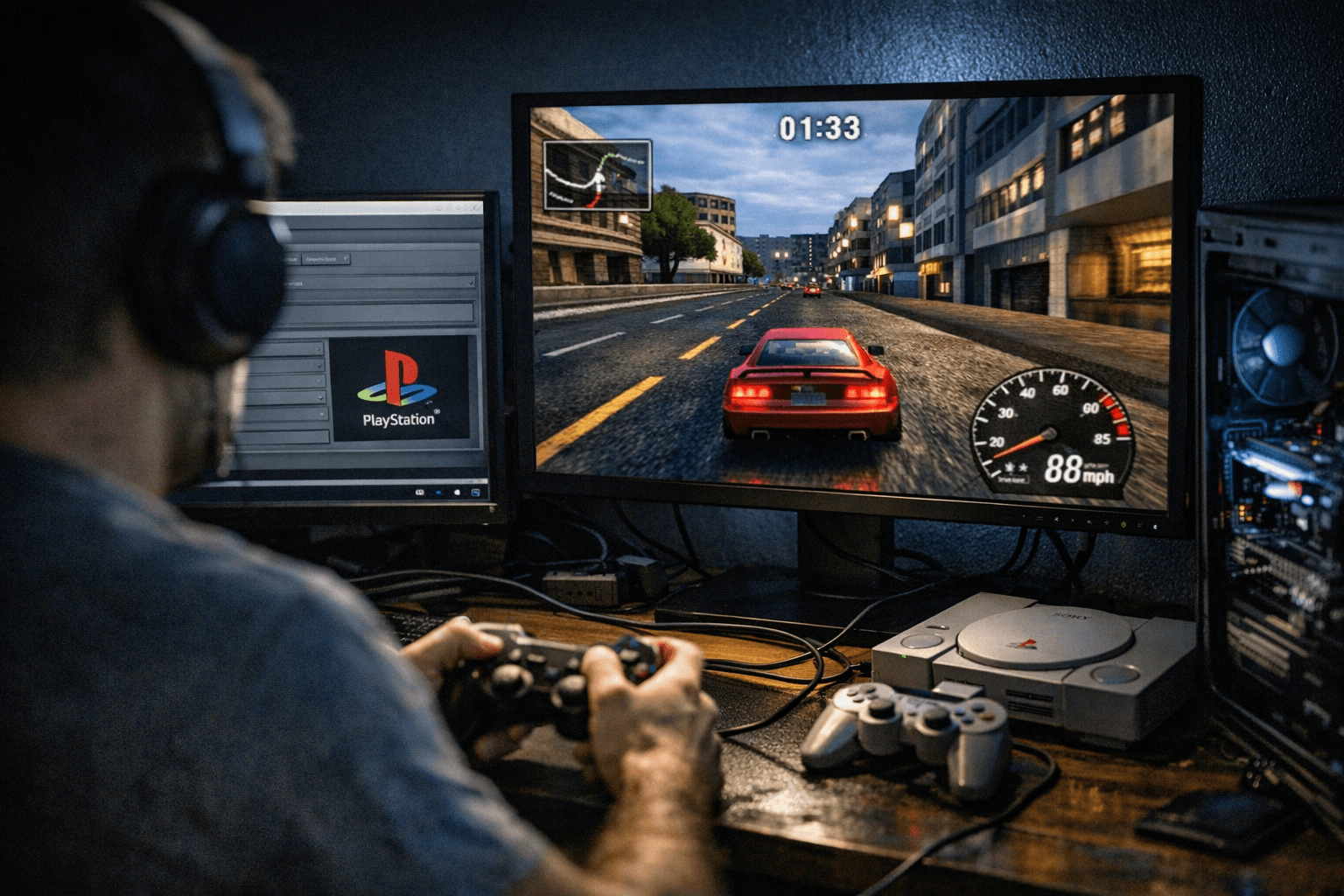
DuckStation's rolling release received a fresh update on GitHub today, bringing a suite of GPU, UI and stability fixes that target display glitches, timing issues and memory leaks. The changes are aimed at users who run the cutting-edge builds and need fixes faster than packaged stable installers deliver.
The update includes targeted GPUPresenter and video present logic fixes designed to prevent empty viewports during deinterlacing, a common source of black screens and flicker on progressive displays. Texture-path fixes touch Vulkan, OpenGL and NVIDIA-specific code paths, which should reduce rendering errors when using native drivers or custom texture replacements. D3D12 render-pass improvements also appear, intended to reduce artifacts on Microsoft Direct3D 12 backends. Developers adjusted the default optimal frame pacing to improve timing consistency across platforms, which can translate to smoother frame delivery and fewer audio/visual stutters in demanding titles.
On the interface side, numerous Qt UI fixes are included. The game list now handles serial editing more reliably, and on-screen display and capture settings have been reorganized for clearer workflows when recording or streaming. Achievement and synchronization fixes aim to resolve out-of-sync progress scenarios for users relying on cloud or local-sync systems. Stability work addresses memory leaks and race conditions in ImGui and video threads, reducing crashes and long-term memory growth during extended sessions.
DuckStation maintainers released rolling assets as GitHub releases for direct download, while packaged stable installers remain available via the project's usual distribution channels for users who prefer fully vetted builds. The rolling release is intended for people who want the latest bug fixes and are comfortable testing builds that may change frequently. Review the release notes and commit list on the project's releases page for the exact technical details of each change before installing.
Practical value for the emulation community is immediate: fewer black screens during deinterlacing, better compatibility with driver-specific texture handling, improved capture and streaming UI, and lower risk of crashes or memory bloat in marathon play sessions. Back up your configuration and save states before switching between rolling and stable versions, and test new builds with your library to confirm behavior in the titles you run most. Expect incremental updates as maintainers continue to refine backends and UI polish.
Know something we missed? Have a correction or additional information?
Submit a Tip