Duluth-area Thunderhawks' Sectional Win Over Hilltoppers Fuels Postseason Hopes
The Duluth-area Thunderhawks beat the Hilltoppers in a sectional game on Jan. 28, a statement win that bolsters postseason hopes and lifts community morale.

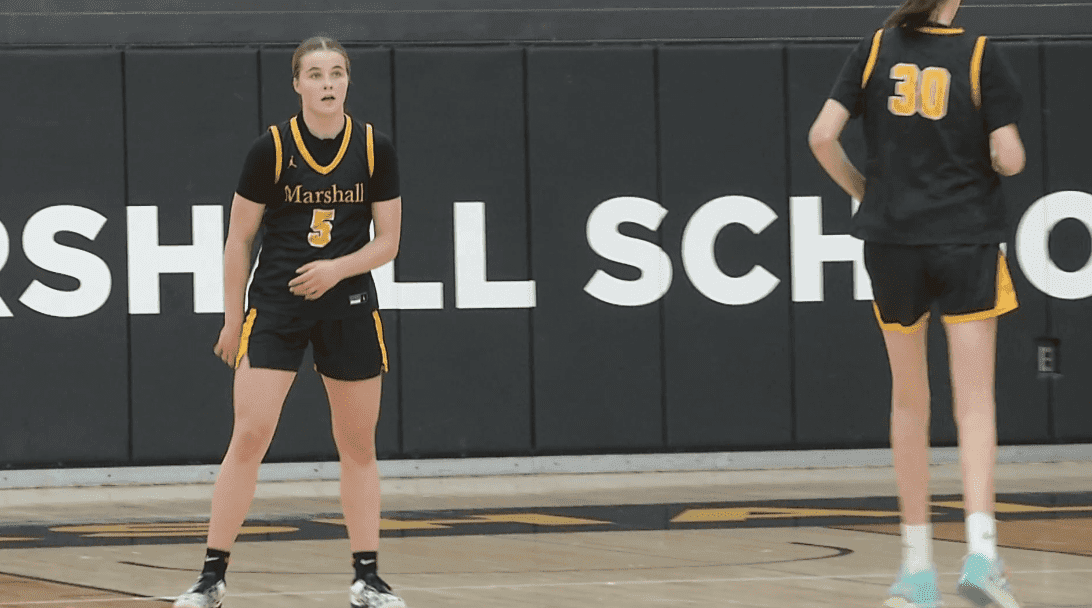
The Duluth-area Thunderhawks delivered a statement sectional victory over the Hilltoppers on Jan. 28, a result coaches framed as crucial for the team’s postseason trajectory. The win capped a stretch of momentum that local prep coverage has highlighted with scoring bursts and decisive execution in the game’s crucial stretches.
Officials reported that the Thunderhawks’ late-period playmaking and defensive stops swung the outcome, and coaches emphasized execution down the stretch as a season-defining element. While individual box-score details and full statistics are available through game recap resources, the larger takeaway for players and supporters was clear: the Thunderhawks have tightened their roster chemistry and are peaking at a time when postseason seeding matters most.
For St. Louis County residents, the game’s immediate impact reaches beyond wins and losses. High school sports funnel community energy into school gyms, bring families together on short notice, and provide low-cost entertainment for neighborhoods. Success on the court can raise school pride, increase youth interest in organized activity, and boost attendance at future games as the Thunderhawks advance through postseason play.
That community boost carries public health implications. Participation in school athletics supports adolescent physical fitness, structured time use, and social connectedness, factors linked to better mental health outcomes. Local health and school leaders should view the team’s momentum as an opportunity to reinforce safe, equitable access to sports experiences: ensuring athletic-training coverage, concussion protocols, transportation options for families, and low-cost programming for younger kids who look to the Thunderhawks as role models.
The win also surfaces conversations about equity in youth sports across St. Louis County. Travel costs, uneven facility quality, and limited staff such as certified athletic trainers can deepen disparities between programs. Investing in school athletic infrastructure and coordinated health services helps protect student-athletes and keeps participation open to families of varying incomes. County policymakers and school boards can use moments like this to prioritize sustainable funding for coaches, equipment, and medical oversight that support both competitive goals and student well-being.
Looking ahead, the Thunderhawks’ sectional victory sets up a postseason stretch that will test depth and consistency. For readers, the immediate call to action is simple: support local student-athletes by attending games when possible, advocate for resources that keep sports safe and accessible, and celebrate the social and health benefits youth athletics deliver across neighborhoods. As postseason play begins, the Thunderhawks’ run will be a barometer not only of athletic success but of how the community backs opportunities for its young people.
Sources:
Know something we missed? Have a correction or additional information?
Submit a Tip