Duluth Council Digs Into Why Much of Downtown Skywalk Is Empty
A six-month consultant study presented to Duluth City Council found 59% of retail space linked to the downtown skywalk is vacant and security costs run about $350,000 a year.
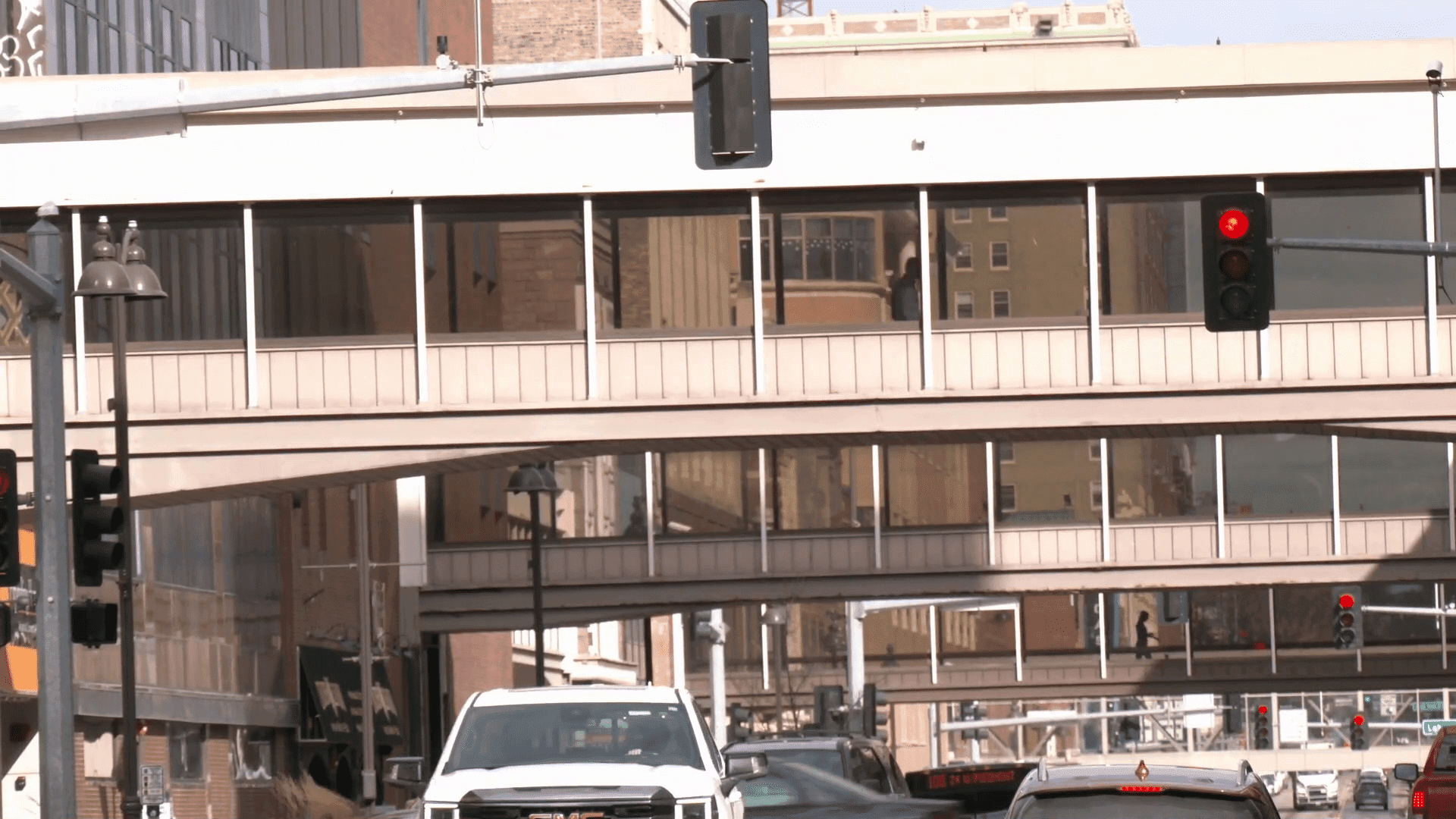
A six-month consultant study presented to Duluth City Council on Feb. 14 found 59 percent of retail space tied to Duluth’s downtown skywalk is vacant and that property owners spend for private security that consultants estimate at roughly $350,000 a year, prompting a recommendation to pare the network to key segments rather than reinvest everywhere.
The presentation followed a council resolution passed last February and a June contract approval for $58,900 with MIG and Civilis, the agreement that funded the six-month analysis beginning last June. City Administrator Matt Staehling told councilors the session “was not for formal council action but to dig into the skywalk’s future,” noting the consultants had delivered a first-phase study for council consideration.
Consultants identified by name in reporting included Michele E. Reeves of CIVILIS Consultants and Jay Renkens of MIG Inc. Reeves framed the skywalk as a relic of the “paperwork economy,” saying, “The skywalk has presided over a period of massive loss of ground-floor activity in downtown,” and added blunt assessments about management: “It is nearly impossible to secure, manage, and create a consistent experience across this thing.” BusinessNorth coverage captured Reeves’ visual diagnosis: “It seems like it’s a bunch of hallways.”
Usage patterns shown to council underline that assessment. The consultants reported most people now use skywalk segments to reach parking, the deck, or as a walking track, with “almost no one” using the system for shopping. The study also found pedestrian counts have not been collected over the years, complicating evaluation of peak and off-hour patterns.
Age and cost factors weighed heavily in the analysis. Consultants said typical skywalk systems last 40 to 50 years and that many Duluth segments are at or beyond that lifespan. Preliminary upgrade estimates exceed $40 million and could rise if structural repairs are required. Reeves warned councilors that the network “was not built without a tremendous amount of public investment, and you are not going to do any of these options, also without a tremendous amount of public investment.”
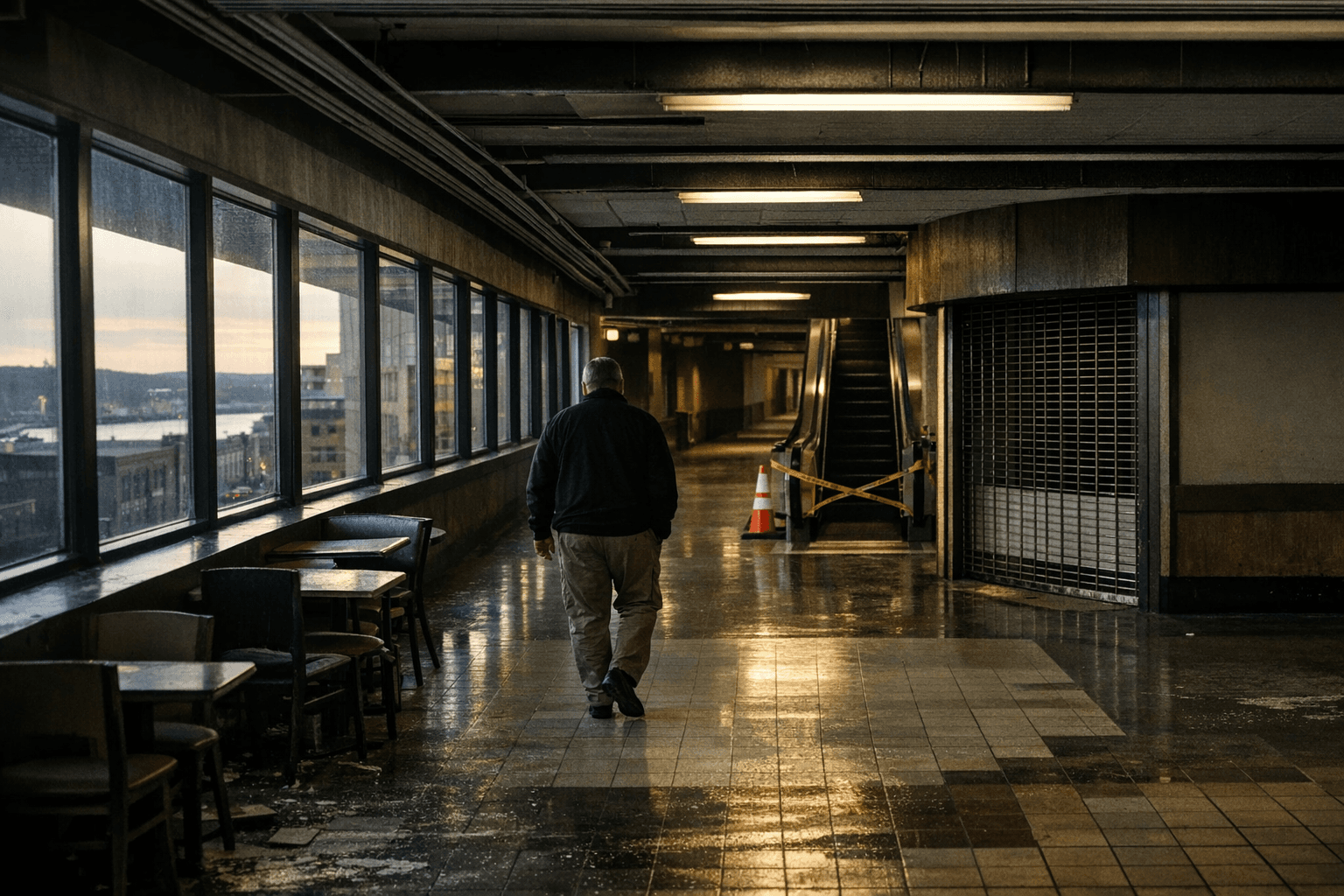
Security and operating realities emerged in local testimony. WDIO and other coverage reported about 40 percent of surveyed property owners pay for private security, and a public survey cited by Northern News Now found more than 65 percent of respondents would find the skywalk more appealing with enhanced safety. Kristi Stokes, president of Downtown Duluth, urged caution about wholesale abandonment, telling the council, “The skywalk does not work well as it currently stands. There are many vacant spaces, repairs and improvements are needed, plus the hours are not consistent. The only time we offer extended night or weekend hours is when there are events; otherwise, there is not enough pedestrian traffic in the skywalk.”
Consultants presented three explicit pathways to the council: full reinvestment, full removal, or a hybrid that dismantles or downsizes some segments while reinvesting in key corridors. MIG’s Jay Renkens put Duluth’s decision in a national context, noting that Des Moines has chosen reinvestment while Cincinnati began deconstruction in 2005—examples the consultants used to illustrate divergent approaches. Reeves and the team recommended the hybrid approach and urged further public input and more detailed cost analysis before any formal action.
City leaders said public hearings and additional meetings will follow the Feb. 14 study session as Duluth weighs which skywalk segments to keep, which to remove, and how much public funding to commit to downtown connectivity and ground-level revitalization.
Sources:
Know something we missed? Have a correction or additional information?
Submit a Tip