Dutch police probe drugging and abuse ring with at least eight suspects
Tips from Germany and Britain helped Dutch police widen a probe into at least eight men accused of drugging women, abusing them unconscious and filming it.
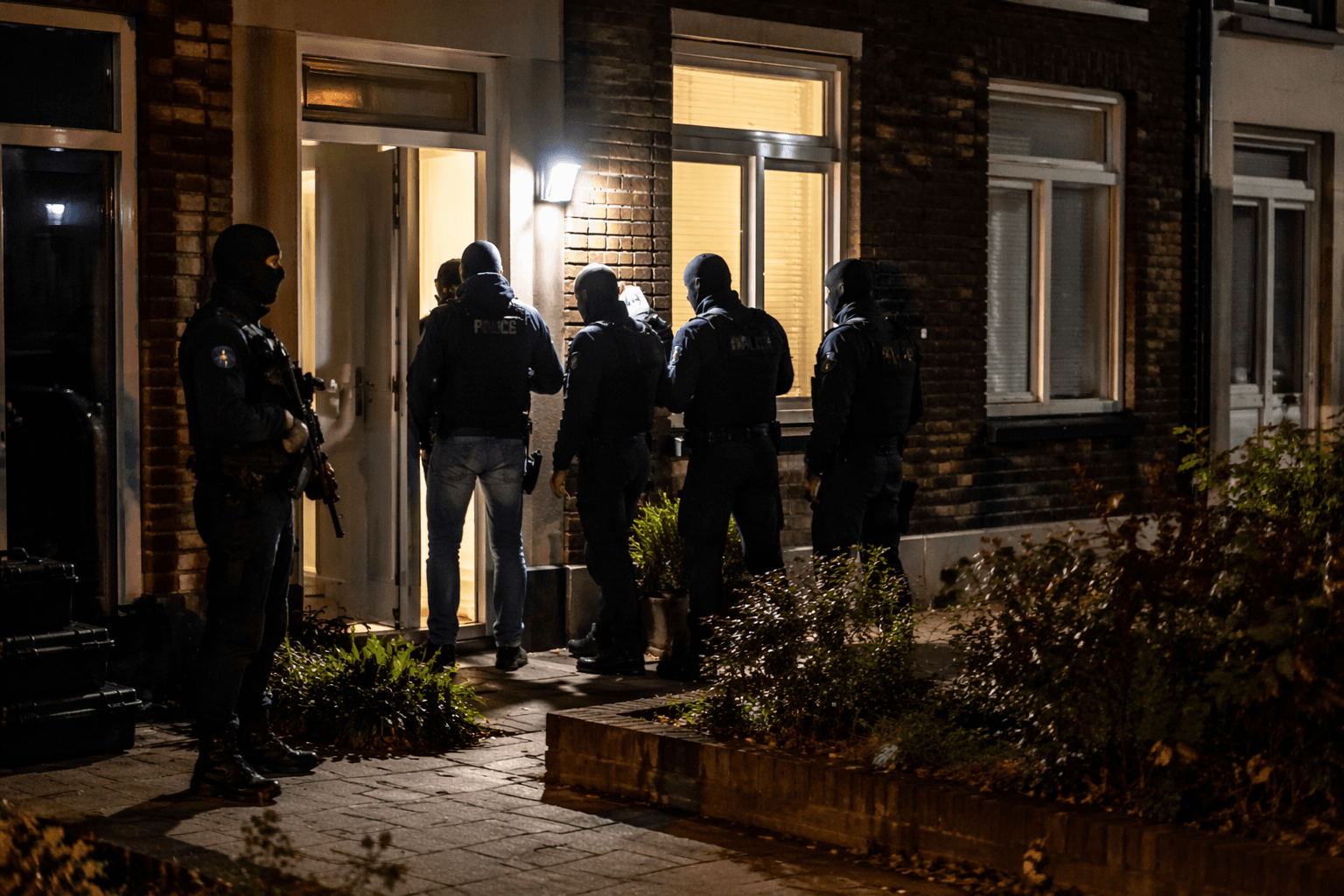
Police in the Netherlands broadened a drugging and sexual abuse investigation after tip-offs from authorities in Germany and the United Kingdom led detectives to raids across the country. At least eight men, aged 21 to 51, are now suspected of drugging women in their immediate circle, sexually abusing them while they were unconscious and filming the assaults. Four suspects are in custody and four remain unarrested.
On May 27 and 28, officers searched homes in Rotterdam, Sassenheim, Hilversum, Veldhoven, Sint Willebrord, Amstelveen, Hulst and Horst aan de Maas. Investigators seized computers, USB drives, SD cards and phones, and in multiple homes they found narcotics, sedatives and weapons. Police also said they uncovered private social media chat groups in which men shared images of sexual abuse and advice on how best to drug people.

The case shows how cross-border tips can expose a pattern that individual victims may not be able to report themselves. Rotterdam police Sexual Crimes Team member Milou van der Kolk said the case has an “enormous impact” because victims may not know what happened if they were drugged and unconscious. That reporting barrier is central to the investigation: authorities still do not know how many women were abused, and detectives are trying to identify victims from images found on the seized devices.
Victim Support, the Center for Sexual Violence and Veilig Thuis said they are ready to assist victims who come forward. CSG director Iva Bicanic said learning that sexual acts were performed without a woman’s knowledge is highly traumatic, and the uncertainty over what happened can itself drive severe stress and distress. In cases like this, the harm is not limited to the assault itself; it extends to memory loss, delayed recognition and the difficulty of proving what happened after the fact.
Dutch media and police have compared the case with France’s Gisèle Pelicot case, in which Dominique Pelicot and 50 other men were convicted in December 2024 of sexually assaulting her while she was drugged. Dominique Pelicot received a 20-year sentence, and the other defendants were sentenced to terms ranging from three to 15 years.
Police said more arrests may follow as they work through the devices, chat logs and images seized in the raids. The investigation has become a test of whether European police, victim-support services and nightlife venues can build prevention protocols that catch drug-facilitated sexual assault before victims are left to reconstruct it after the fact.
This article was produced by Prism’s automated news system from verified source data, official records, and press releases, then run through automated quality and moderation checks before publishing. The system is built and supervised by the people who set the standards it runs under. Read our full AI policy.
Did this article answer your question?