Dyson unveils AI camera fan that tracks people in the room
Dyson’s new fan uses a built-in camera to follow people around a room, while Dyson says all image processing stays inside the machine and is deleted instantly.
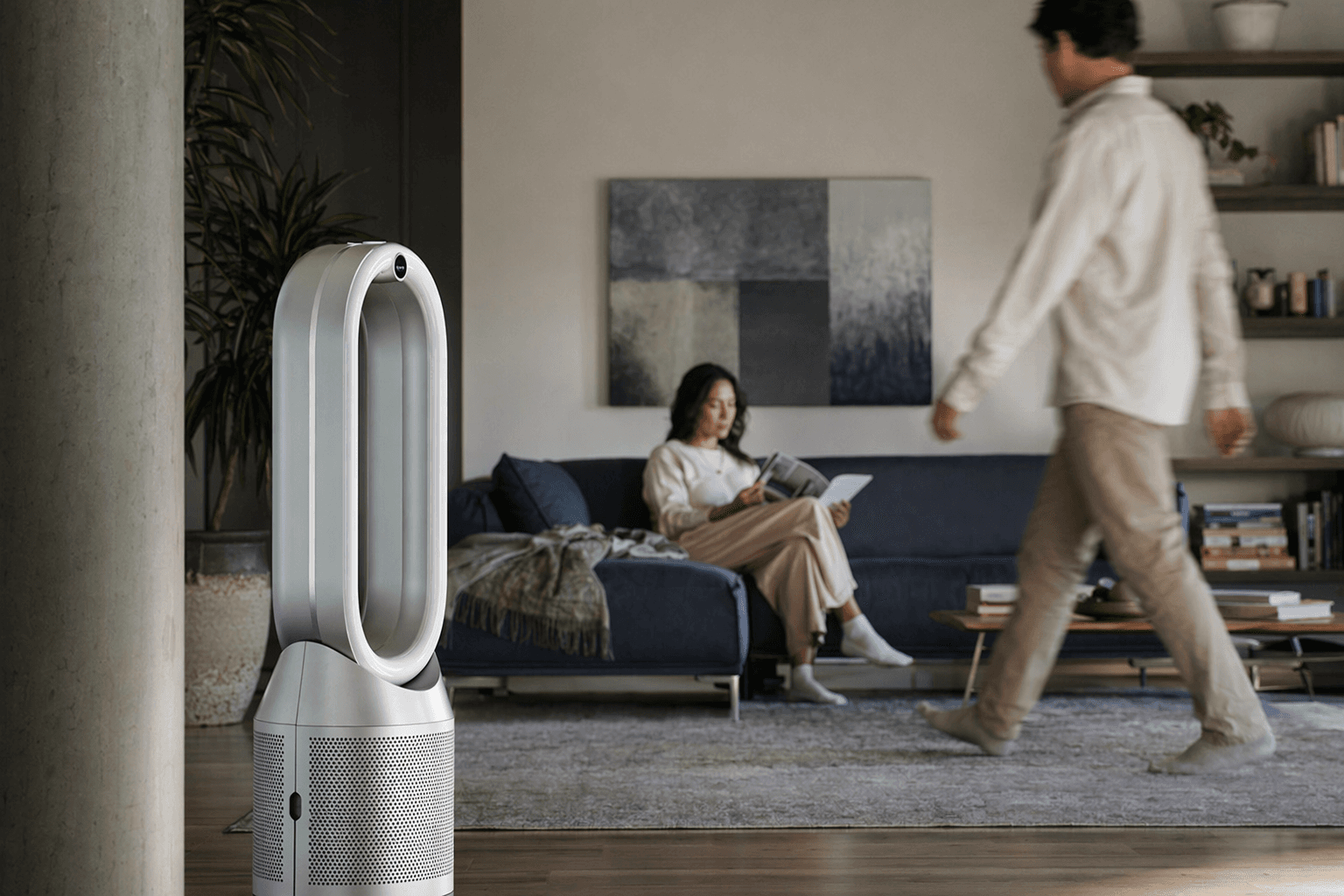
Dyson has put a camera into a household fan and is asking consumers to accept a new bargain: more comfort in exchange for a device that watches where people move. The Find+Follow Purifier Cool, unveiled in New York, uses AI vision to track presence in the room, auto-adjusting airflow instead of simply blasting in one direction.
Dyson says the system relies on 17-point user detection and is designed to detect movement and presence rather than identify individuals. The company says images are processed inside the machine, deleted instantly and never leave the device. When more than one person is in the room, the purifier can adjust oscillation up to 350 degrees. When the room is empty, it stops oscillating and switches to Auto mode for purification only.
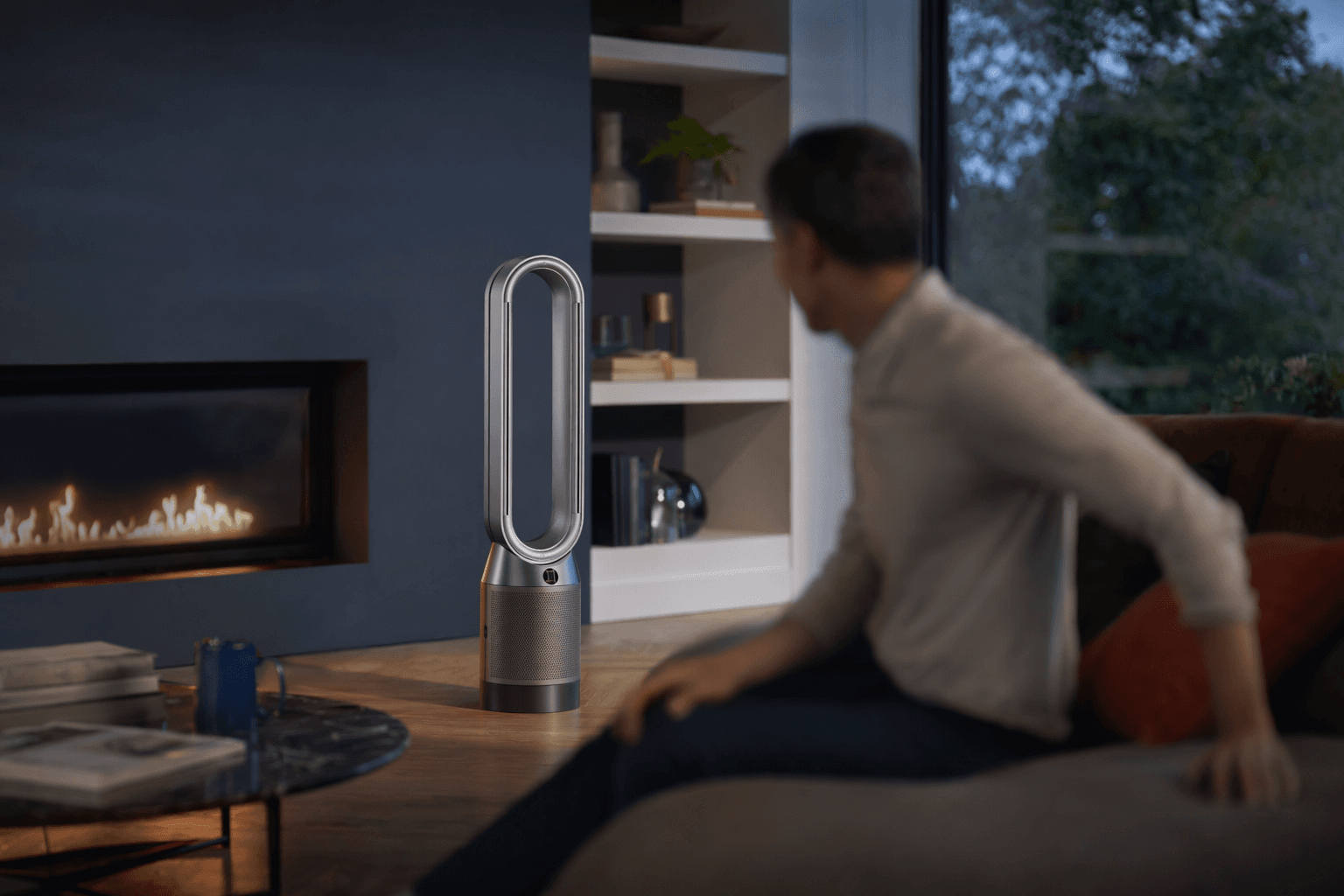
The company is selling the feature as part of a broader push toward smarter, more automated homes. John Churchill, Dyson’s chief technology officer, said the company’s goal is a “set-and-forget” home that can look after itself. That framing matters because it shows how quickly cameras and software are moving from robot vacuums into ordinary appliances that sit in living rooms and bedrooms, far from any obvious security use case.
Dyson is also leaning on its core air-cleaning hardware to justify the added intelligence. The Find+Follow uses Air Multiplier technology and delivers over 76 gallons of airflow per second, according to the company. Its filtration system is fully sealed to HEPA H13 standard and uses K-Carbon filtration that Dyson says captures 50% more NO, along with odors, VOCs and 99.97% of ultrafine particles as small as 0.3 microns.
The new machine builds on Dyson’s earlier Purifier Cool PC1, which already offered app-based monitoring, 350-degree oscillation and automatic sensing of pollutants through the MyDyson app. The difference now is that the fan is not just responding to air quality; it is following people. That makes privacy central to the product pitch, even as the convenience argument gets sharper for buyers willing to trade a little comfort for a device that knows when they are in the room and where they are sitting.
This article was produced by Prism’s automated news system from verified source data, official records, and press releases, then run through automated quality and moderation checks before publishing. The system is built and supervised by the people who set the standards it runs under. Read our full AI policy.
Did this article answer your question?


