Early Studio One vocalist-designer Jackie Estick dies at Kingston Public Hospital
Jackie Estick, Studio One designer and backing vocalist, died at Kingston Public Hospital on February 25, 2026, Reggae‑Vibes reported; he shaped many of the label’s early ska sleeves.
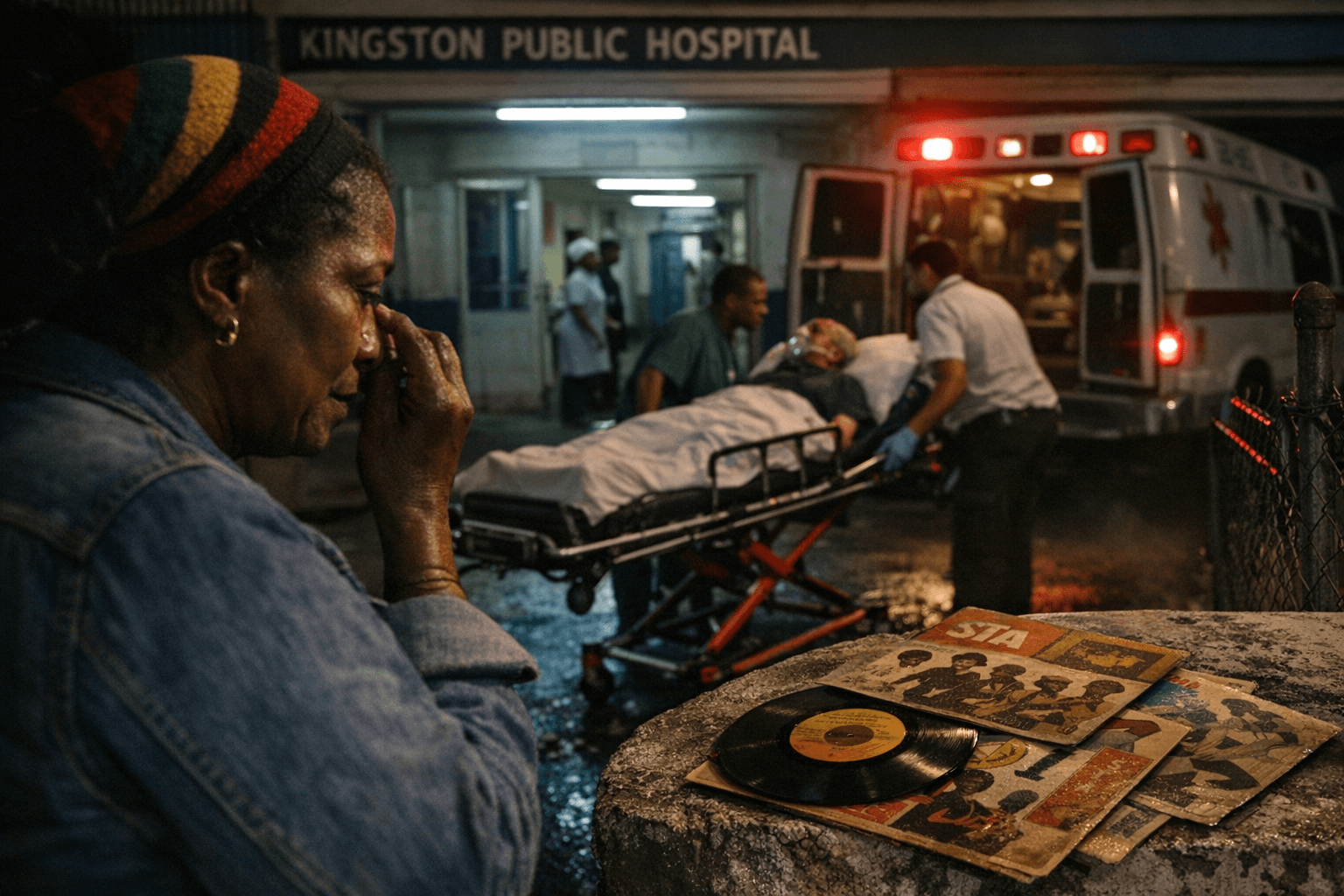
Jackie Estick passed away on Wednesday, February 25, 2026 at Kingston Public Hospital, Reggae‑Vibes reported on March 1, 2026. Reggae‑Vibes described Estick as "not a household name for casual listeners" and noted that his recorded work reaches back to the pivotal era when ska was emerging.
The Independent places Estick at the heart of Studio One’s visual and vocal output, writing that "Estick, the designer of so many early Studio One covers, was a trusted member of Dodd's team at the Brentford Road building and his name frequently appears on albums for his backing vocals." Those credits link Estick directly to the Brentford Road studio where Clement Dodd built Studio One’s roster and aesthetic.
The Independent also situates Estick’s work within Studio One’s wider legacy. "This was the image of Studio One, Jamaica's greatest recording studio, and the creative vision of one man, Clement Dodd," the piece states, and it underlines Dodd’s role as producer of early Bob Marley and Burning Spear material and as a central figure in the label’s history. The Independent recounts Dodd’s own story - his nickname "Coxsone", the "Coxsone" inscription on the speaker boxes of the first long-player All Star Top Hits, and the odd origin of that nickname in a Yorkshire cricketer named Alec Coxon - and notes that Dodd died in 2004.
Studio One’s sleeves and production methods also appear in the Independent’s account. The paper notes that many early Studio One albums were distinctive because of Studio One's use of a basic silk-screen printing process, a cheap but striking technique that gave those records a bold graphic identity. On the covers themselves, an analyst identified only as Baker is quoted saying, "The ska covers are so vibrant, they're saying 'Look at me! Look at me!'" and adding that "There's a rawness to the covers – maybe it was not knowing the rules that allowed them to not act by them."
The Independent groups Estick with other under-recognized contributors to Studio One’s look and sound, observing that "Jackie Estick and O'Neal Nanko are little known among even obsessive fans of Jamaican music and yet their work has left a lasting impression." On Nanko the piece adds, "Nanko's time came in the following decade with the arrival of the bass-heavy instrumental style, dub." Baker also comments on the designs' character: "There's a bluntness to these designs that's very striking and very unusual," and "I think he has a unique approach."
Reggae‑Vibes’ obituary does not include Estick’s age, cause of death, or funeral arrangements, and those details have not been released publicly. Estick’s name, however, survives on Studio One album sleeves and backing credits; collectors, archivists and historians - including those behind the Soul Jazz book with an introduction by Steve Barrow - will likely look to label archives and surviving session documentation to map his full contribution to Jamaica’s ska and Studio One era.
Know something we missed? Have a correction or additional information?
Submit a Tip