Easter Storms Trigger Thousands of Flight Delays, Cancellations Across U.S.
Spring storms and record Easter travel volumes produced nearly 11,000 flight delays across the U.S., with Florida airports absorbing the heaviest disruption.
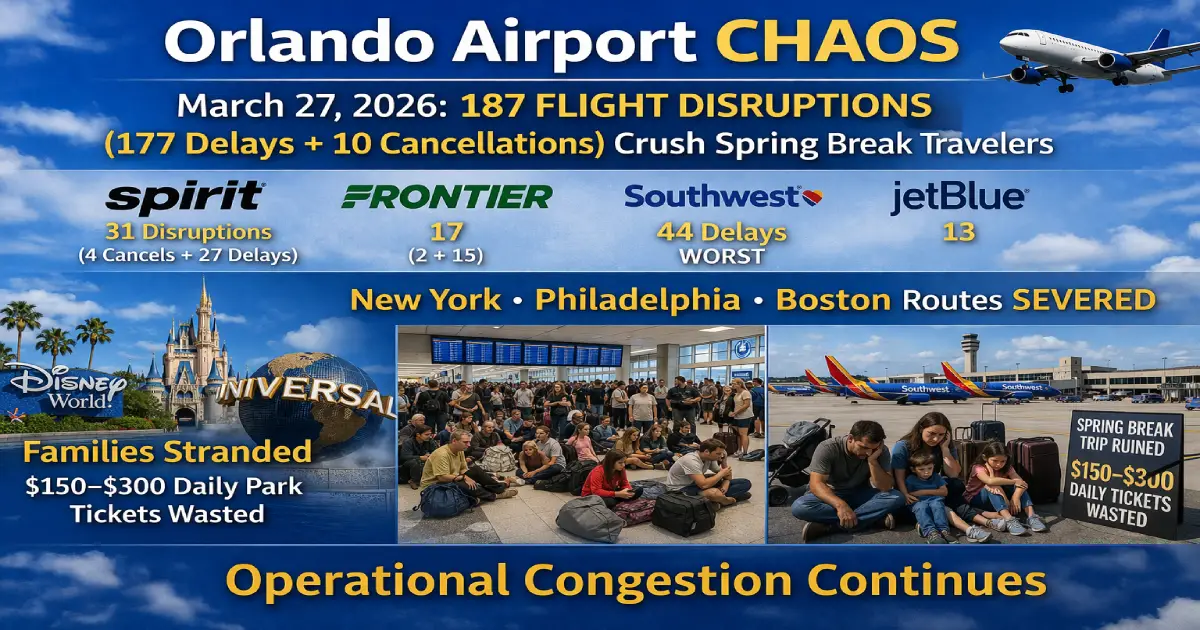
Nearly 11,000 flights were delayed and more than 500 canceled across the United States on Easter Sunday as severe spring storms collided with one of the busiest holiday travel periods in recent years, creating cascading disruptions that rippled well into Monday and left passengers stranded at counters from Miami to Chicago.
Florida bore a disproportionate share of the chaos. Orlando International, Fort Lauderdale-Hollywood International and Miami International were among the hardest-hit airports, with holiday travelers and connecting passengers rerouted, held on tarmacs or left waiting in long lines at customer-service desks. The state is a perennial magnet for Easter getaways, and the concentration of inbound and outbound traffic made it especially vulnerable once weather slowed the system.
FlightAware's live dashboards tracked elevated cancellation and delay rates across multiple carriers throughout Sunday, with some airlines recording irregular-operations figures well above their seasonal norms. The compounding factor was one that aviation analysts consistently flag during major holidays: record passenger volumes leave airlines almost no cushion. Spare aircraft and off-duty crews that would normally absorb a weather disruption on a quiet weekend are simply not available when every plane and every pilot is already committed.
Airlines issued rebooking waivers and urged passengers to check flight status before heading to the airport, though customer-service lines remained long as the afternoon ground on. Federal Aviation Administration advisories and Aviation Weather Center forecasts were widely circulated as the authoritative guidance on which routes and altitudes were affected. Carriers and airport officials emphasized that FAA crew-rest regulations and aircraft-routing requirements limit how fast recovery operations can move, regardless of passenger demand.
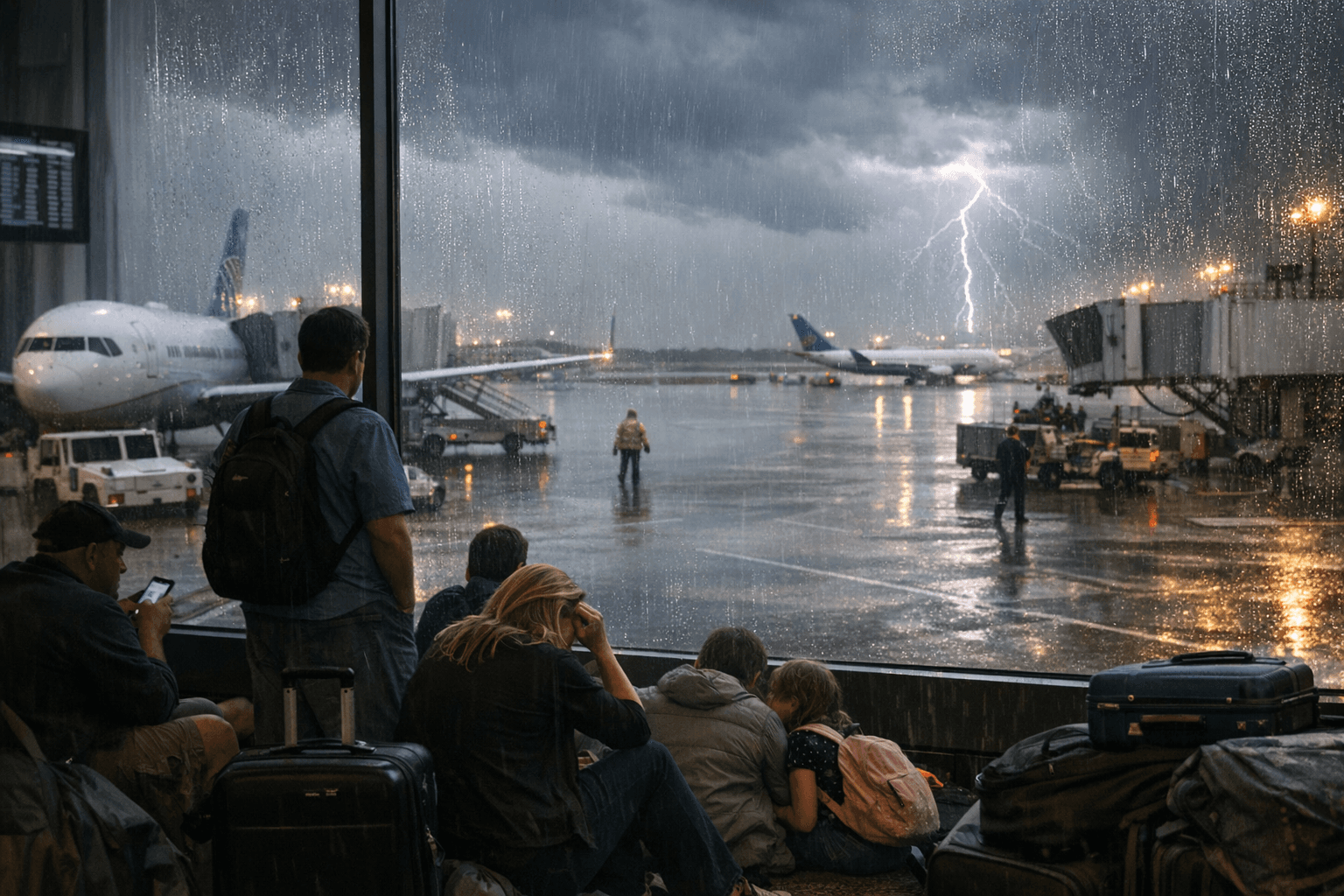
The knock-on effects extended into Monday as airlines worked to realign crews and reposition planes that had ended the day out of sequence. Travelers who missed connections Sunday faced a thinned-out rebooking inventory, since holiday loads left little open seat capacity on alternate flights. Passengers are advised to document all expenses tied to cancellations and delays, as many carriers' contracts of carriage and credit card travel protections cover eligible costs when disruptions meet specific thresholds.
The episode is likely to prompt airlines and major airports to review holiday staffing and contingency planning. When peak travel demand and spring storm systems arrive simultaneously, the national air network has almost no structural slack, and the recovery clock starts running at a significant disadvantage.
This article was produced by Prism’s automated news system from verified source data, official records, and press releases, then run through automated quality and moderation checks before publishing. The system is built and supervised by the people who set the standards it runs under. Read our full AI policy.
Did this article answer your question?