easyJet agrees in principle to £5.2 billion Castlelake takeover bid
easyJet backed a £5.2 billion cash approach from Castlelake after four rejected bids, lifting the fight over one of Europe’s biggest low-cost carriers.
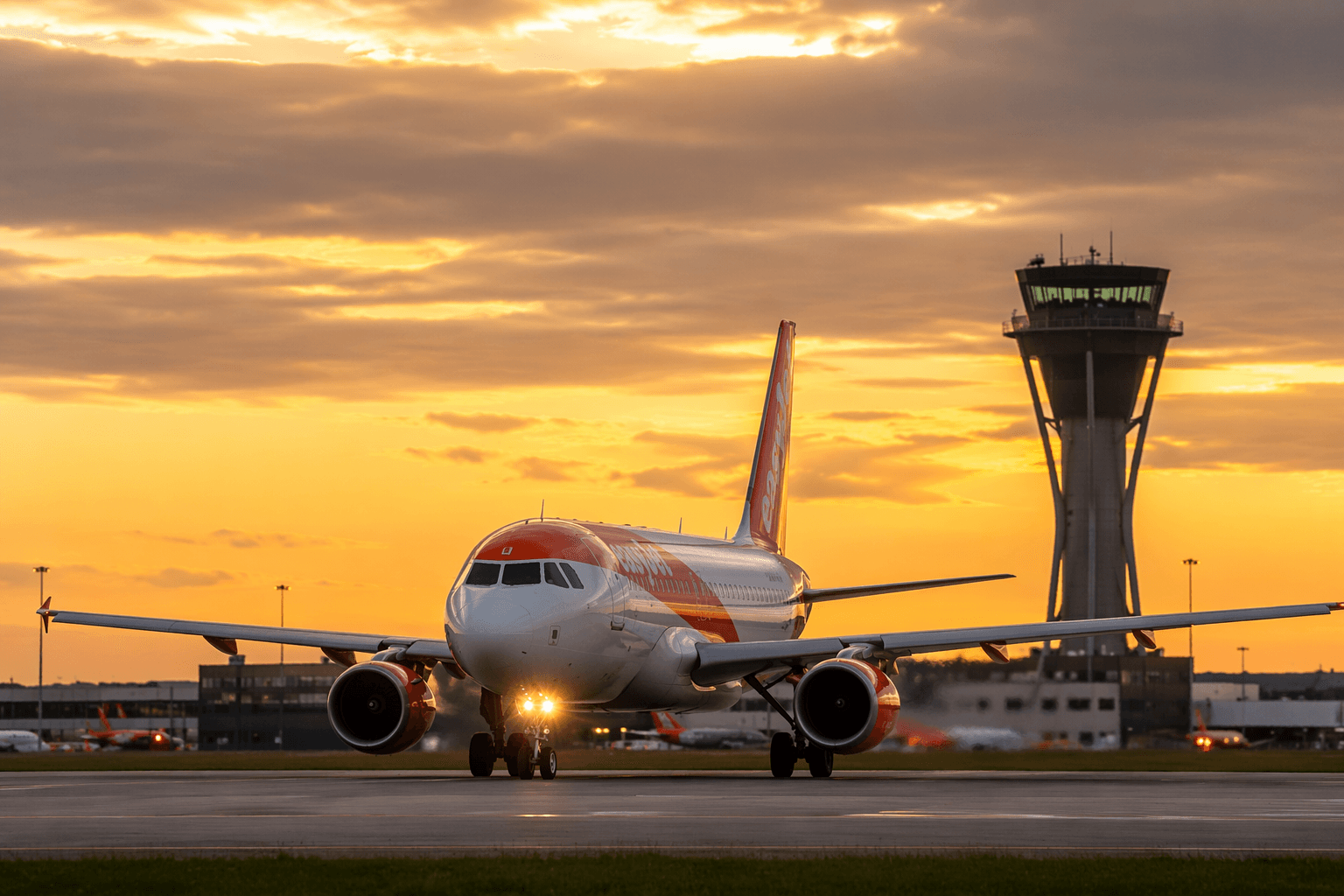
easyJet agreed in principle to a £5.2 billion takeover proposal from Castlelake after rejecting four earlier offers from the US investment firm. The latest bid, reported at 690p a share in cash, is richer than the fourth proposal easyJet turned down, which valued the airline at about £4.93 billion, or 650p a share.
The shift came after easyJet allowed Castlelake limited access to commercial information and extended the takeover deadline to July 5, 2026, giving the bidder more room to conduct due diligence and come back with a sweeter offer. easyJet’s board said it was minded to recommend a firm proposal if Castlelake makes one, a sign the talks had moved from exploratory pressure to a potential transaction.
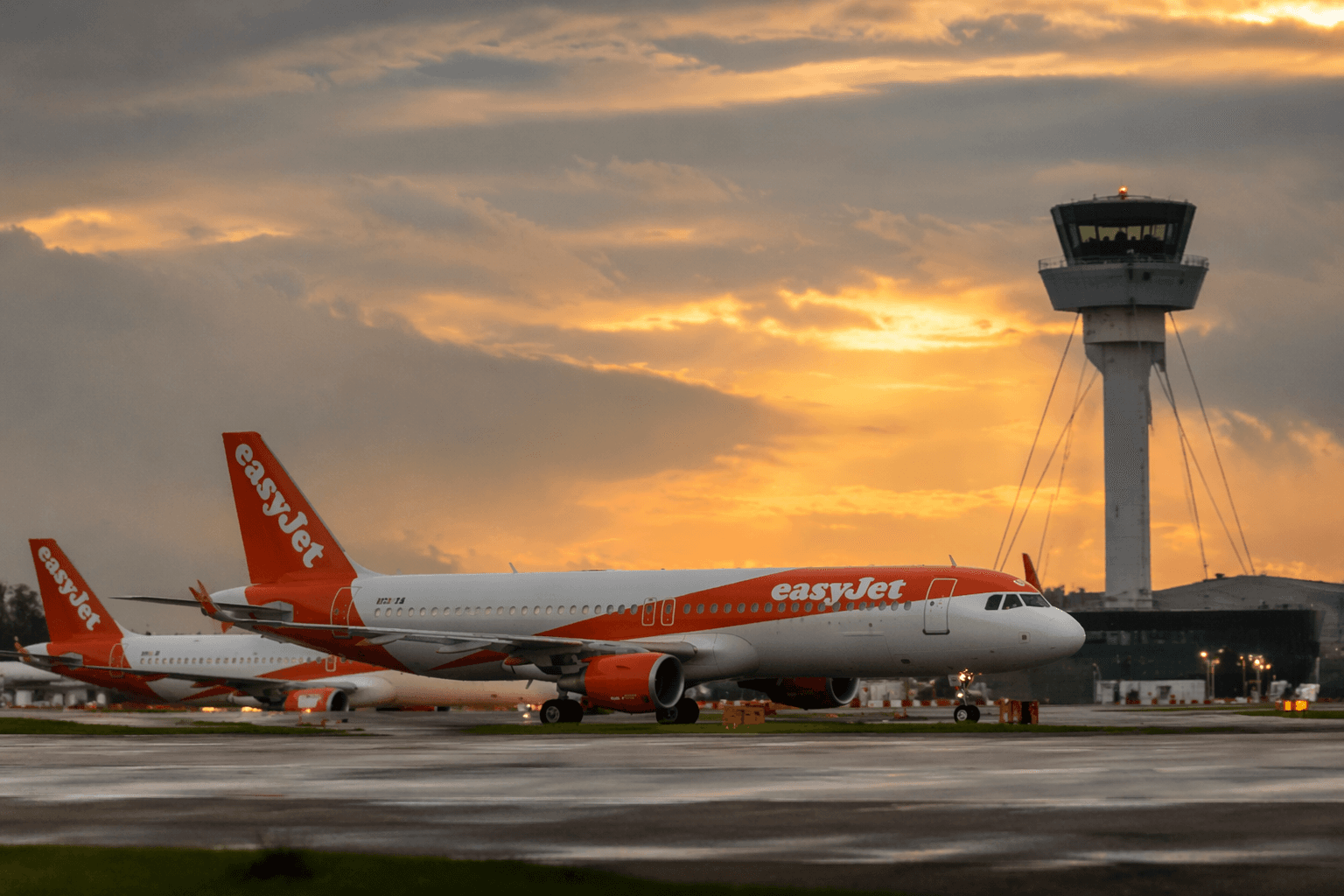
For easyJet, which is based in Luton and ranks among the UK’s biggest low-cost carriers, the bid is about more than ownership. A takeover would pull another major FTSE-listed company off the market and could reshape the pricing power, route planning and staffing calculus that have defined budget flying on busy UK and European corridors. If Castlelake succeeds, shareholders would be the immediate winners from a cash exit, while travelers and employees would be watching for changes in fares, schedules and headcount as the airline is folded into a new ownership structure.
The negotiations also exposed the fragility of the earlier approach. Castlelake had taken its case directly to shareholders after easyJet rejected previous bids, and the bidder was also working to address European ownership and control concerns by involving European Union nationals in the structure. That points to a deal process shaped not just by price, but by regulatory sensitivities over who ultimately controls a large European airline.
Investors had already been bracing for a break or breakthrough. easyJet shares fell nearly 7% in the week before the deadline as the market weighed a higher bid against the risk that Castlelake would walk away. easyJet, meanwhile, has continued to lean on its own strategy, including a medium-term target of delivering more than £1 billion in profit before tax, backed by an investment-grade balance sheet and a net cash position. The board’s willingness to keep talking suggests it now sees the price and the process moving closer to what it can recommend.
This article was produced by Prism’s automated news system from verified source data, official records, and press releases, then run through automated quality and moderation checks before publishing. The system is built and supervised by the people who set the standards it runs under. Read our full AI policy.
Did this article answer your question?