Ebola outbreak in Congo and Uganda lacks approved vaccine, treatment
Congo and Uganda are facing a cross-border Ebola outbreak with no approved Bundibugyo vaccine or treatment, exposing the gap between science and delivery.
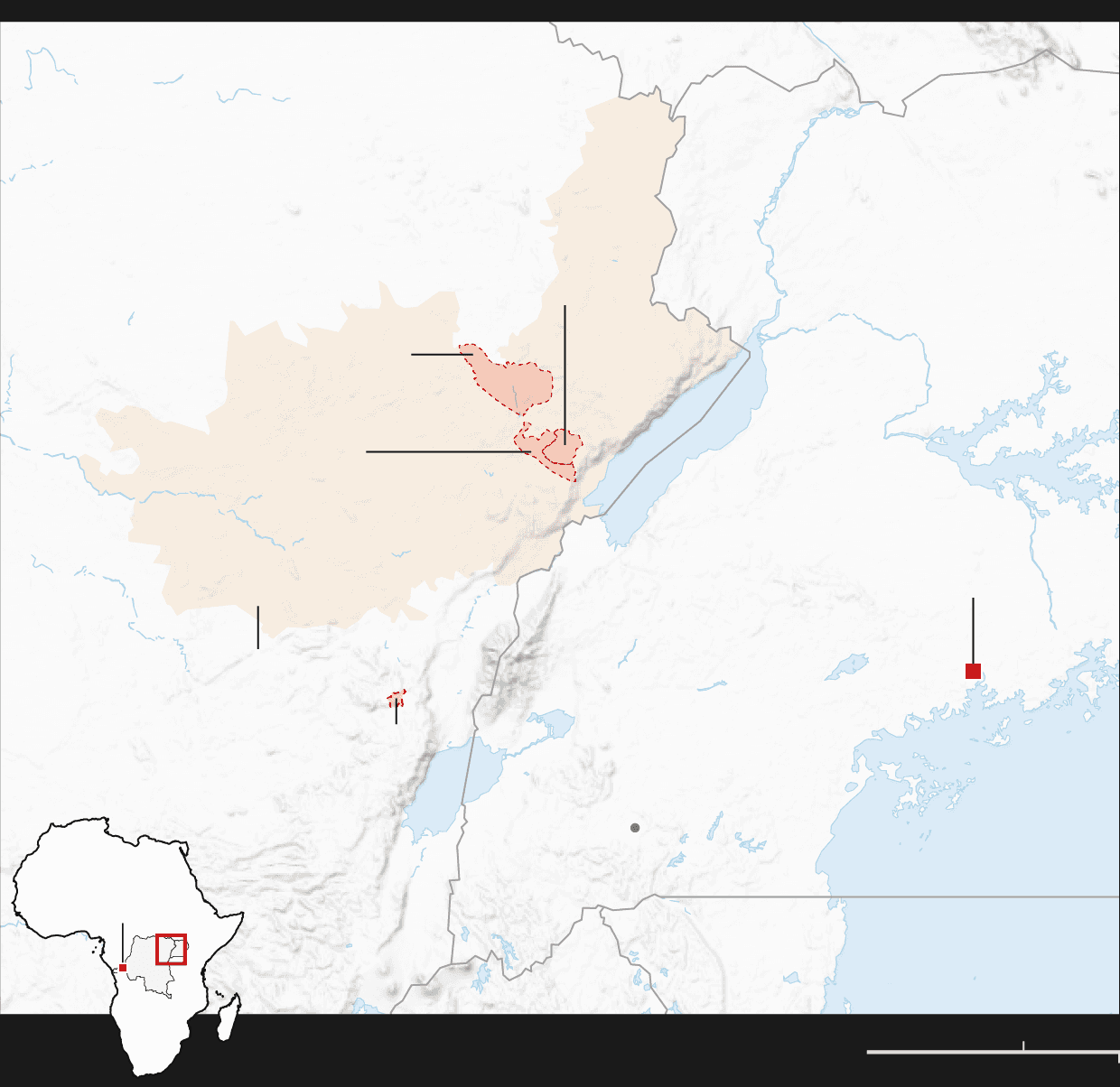
The urgent problem is not a lack of Ebola experience in central Africa, but the absence of approved tools for the strain now spreading in the Democratic Republic of the Congo and Uganda. WHO says the outbreak is caused by Bundibugyo virus, a species of Ebola for which there is no approved vaccine or specific treatment, even as the virus moves through a region that has faced repeated flare-ups for decades.
The Democratic Republic of the Congo and Uganda declared the outbreak on 15 May 2026 after Bundibugyo virus disease was confirmed by the Institut National de la Recherche Biomédicale in Kinshasa. WHO said the outbreak was first centered in Ituri Province in northeastern Congo, including the Rwampara, Mongbwalu and Bunia health zones, before imported cases were confirmed in Uganda. For Congo, the current response is the country’s 17th Ebola outbreak since the virus was first identified in 1976.
WHO elevated the situation to a Public Health Emergency of International Concern on 16 May 2026, underscoring the risk of wider spread without a rapid containment effort. Uganda’s confirmation of imported cases showed how quickly the outbreak crossed a porous border, turning a localized health emergency into a regional test of surveillance, isolation, contact tracing and border coordination. The agency said the outbreak does not amount to a pandemic emergency.

The lack of an approved Bundibugyo-specific vaccine or therapy has sharpened scrutiny of the global response architecture. WHO said research is ongoing on promising vaccine candidates, but those products are not yet approved for this strain. That leaves health workers relying on standard outbreak controls and clinical care while communities in Ituri, and now across the border in Uganda, face a virus for which the scientific toolbox is still incomplete.
The Centers for Disease Control and Prevention mobilized international response activities after being notified through its existing relationships with the Congo and Uganda health ministries, and issued clinician and traveler guidance on 19 May 2026. The response now hinges on whether public health systems can move faster than the virus, in a setting where insecurity, limited logistics and competing crises often delay the very measures that stop Ebola from spreading.
This article was produced by Prism’s automated news system from verified source data, official records, and press releases, then run through automated quality and moderation checks before publishing. The system is built and supervised by the people who set the standards it runs under. Read our full AI policy.
Did this article answer your question?