Ebola outbreak in Congo and Uganda tops 130 suspected deaths
Congo and Uganda’s Bundibugyo Ebola outbreak has grown to more than 513 suspected cases and over 130 suspected deaths, with cross-border spread raising the stakes.
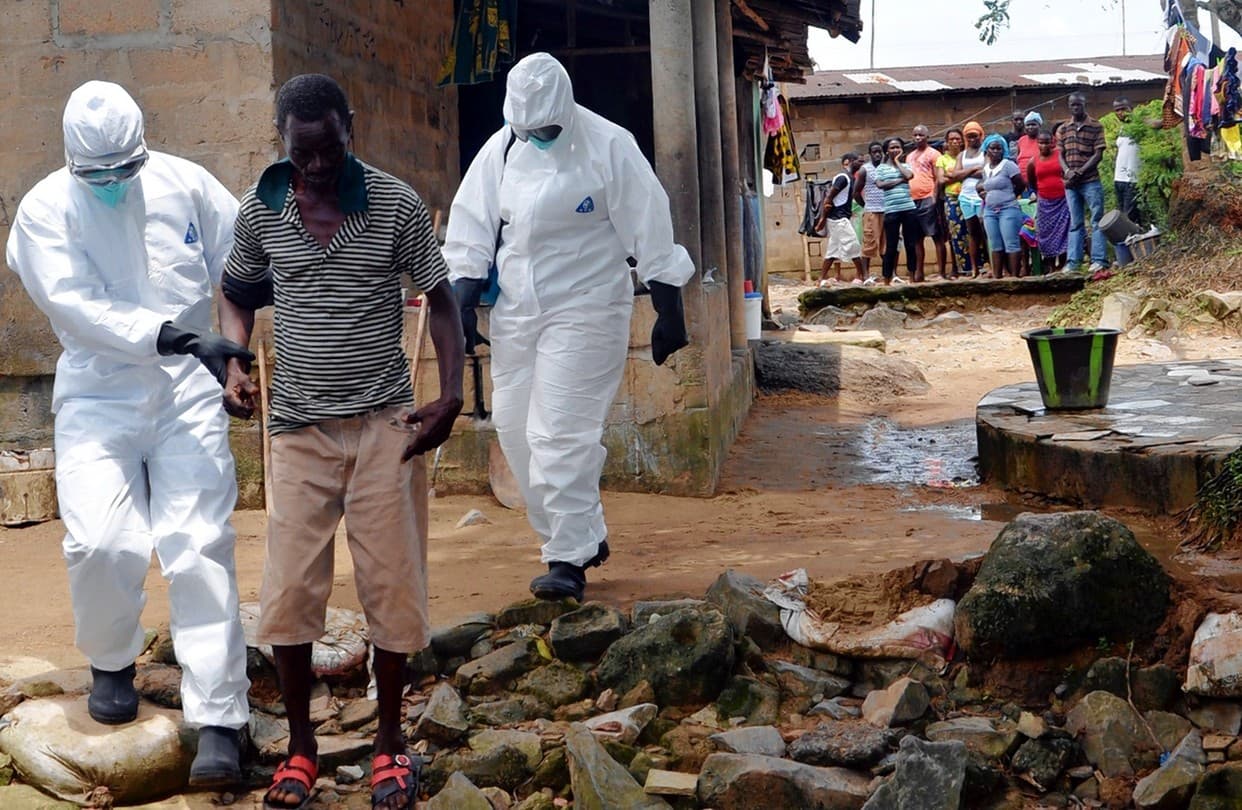
Health officials were confronting an Ebola outbreak that could stretch for months, not days, as cases climbed past 513 and suspected deaths topped 130 in Congo and Uganda. The crisis, caused by the Bundibugyo virus, had already crossed the border once, with Uganda confirming an imported case from the Democratic Republic of Congo after a Congolese man died in Kampala.
The World Health Organization first received an alert on May 5 about a high-mortality unknown illness in Mongbwalu Health Zone in Ituri Province, where health workers were among the dead. By May 15, laboratory analysis of blood samples from Rwampara Health Zone confirmed Bundibugyo virus disease in eight of 13 samples, and Congo’s government declared its 17th Ebola outbreak. As of May 16, WHO reported eight laboratory-confirmed cases, 246 suspected cases and 80 suspected deaths in Ituri, spread across at least Bunia, Rwampara and Mongbwalu. Later tallies pushed the count far higher, underscoring WHO’s warning that the outbreak may be larger than currently detected because of unexplained community deaths, a high positivity rate in early samples and limited understanding of how the virus is moving.

WHO declared the outbreak a Public Health Emergency of International Concern on May 16-17, saying it did not meet the threshold for a pandemic emergency but did pose a risk of international spread. The agency also reported two laboratory-confirmed cases, including one death, in Kampala among travelers from Congo, while a separate case in Kinshasa later tested negative. Tedros Adhanom Ghebreyesus said the event could last months, a reality shaped by the absence of a licensed vaccine or specific treatment for Bundibugyo virus and by the need for early supportive care to save lives.

Containing the outbreak is harder in eastern Congo, where the Centers for Disease Control and Prevention said limited transport infrastructure, difficult terrain and security concerns slow surveillance, infection-control work and contact tracing. The CDC said it was supporting diagnostics, infection prevention and control, and the safe withdrawal of a small number of Americans, while the U.S. Department of Homeland Security and CDC added enhanced travel screening, entry restrictions and other measures on May 18 to reduce the chance of importation. For Congo, which ended its previous Ebola outbreak in December 2025 and is now facing its second Bundibugyo outbreak since 1976, the key benchmarks will be whether suspected deaths stop rising, whether laboratory-confirmed cases fall outside known transmission chains, and whether health teams can reach isolated communities before the virus reaches more border crossings.
This article was produced by Prism’s automated news system from verified source data, official records, and press releases, then run through automated quality and moderation checks before publishing. The system is built and supervised by the people who set the standards it runs under. Read our full AI policy.
Did this article answer your question?