Ebola outbreak in Congo hits 782 cases as mistrust hampers response
Mistrust is stalling Congo’s Ebola response as cases rose to 782 and deaths to 181, with 72 new infections in 24 hours and the virus moving into new health zones.

Mistrust, crowded displacement camps and weak sanitation are slowing Congo’s fight against Ebola even as the outbreak climbed to 782 confirmed cases and 181 deaths. The government said 72 new confirmed infections were recorded in 24 hours, one of the biggest single-day jumps so far, as the virus spread deeper into the country’s east.
The latest cases remained concentrated in Ituri, North Kivu and South Kivu, but health officials said the outbreak had reached new health zones, including Nia-Nia in Ituri and Mabalako in North Kivu. Each new zone expands the number of people who may have been exposed and forces already stretched response teams to widen contact tracing across areas where movement is difficult to monitor.
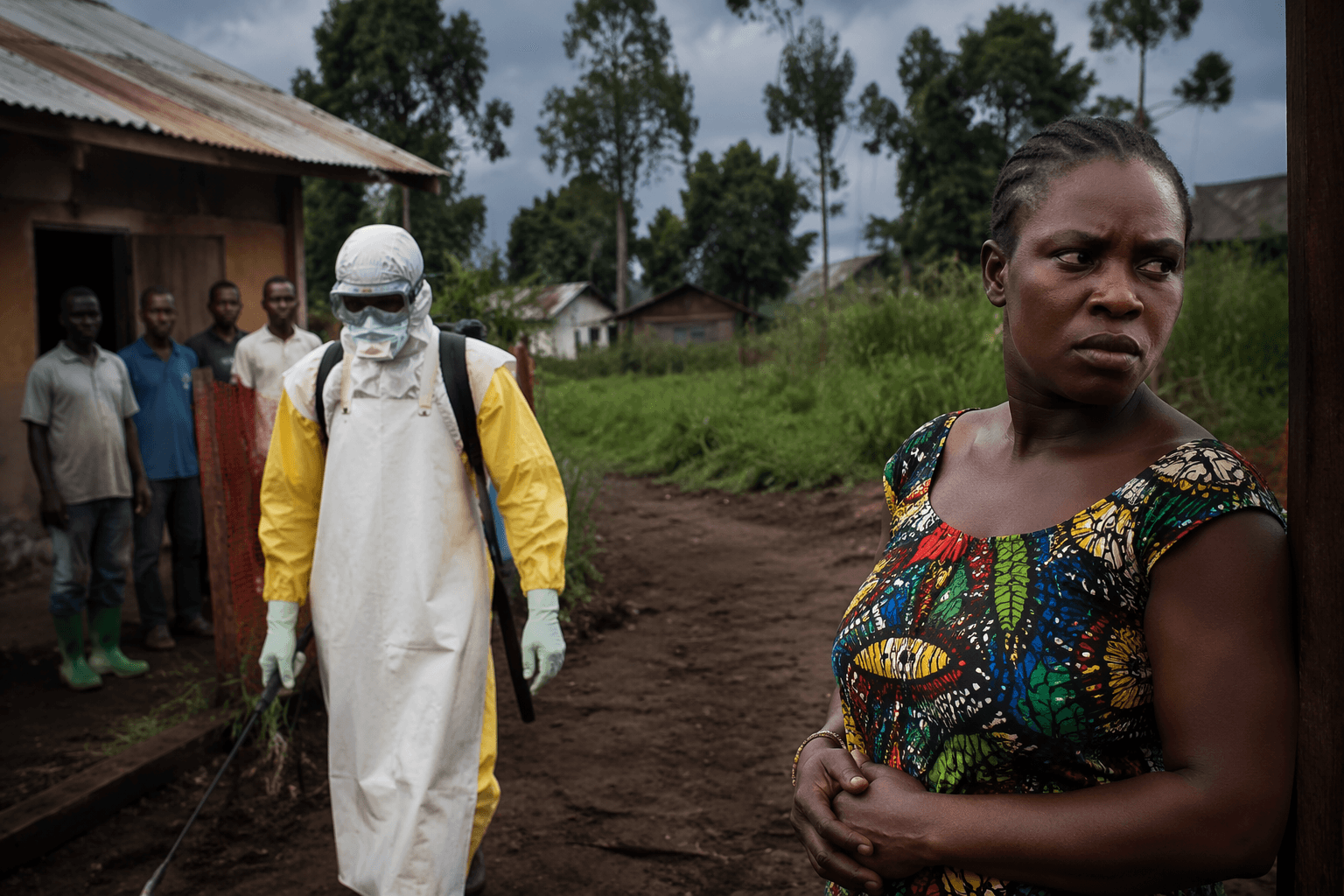
The sharpest warning sign has come from Kpangba displacement camp, which hosts about 30,000 internally displaced people. Aid workers were sent there to trace contacts after Ebola-related deaths were first detected in the area two weeks earlier, but some residents, angry and fearful, drove them away. Some people in the camp and surrounding area also believe Ebola is a hoax, a level of distrust that makes rapid isolation, testing and tracing far harder to carry out.
The outbreak is Congo’s 17th since Ebola was first identified in 1976, a reminder that the country has institutional memory and public-health experience, but not immunity to fear and misinformation. The World Health Organization said the emergency is unfolding amid a humanitarian crisis, insecurity, remote but densely populated areas, and high population and trade movement, conditions that help the virus outrun standard containment tactics. It has said community engagement will be key.
WHO has identified the strain as Bundibugyo virus, for which there is no approved vaccine or specific treatment. The agency declared the outbreak a public health emergency of international concern on May 17, and the Africa Centres for Disease Control and Prevention followed on May 18 with a public health emergency of continental security. WHO has said the national risk in the Democratic Republic of the Congo is "very high" while the global risk remains low.
The emergency has also crossed the border into Uganda, underscoring that the threat is no longer confined to Congo’s eastern provinces. The International Rescue Committee warned on June 1 that the outbreak was likely significantly larger and more advanced than the official figures suggested, a concern that grows more urgent as distrust, displacement and poor sanitation keep undermining the response.
This article was produced by Prism’s automated news system from verified source data, official records, and press releases, then run through automated quality and moderation checks before publishing. The system is built and supervised by the people who set the standards it runs under. Read our full AI policy.
Did this article answer your question?