Ebola outbreak in eastern Congo remains hard to track amid resistance
Health workers still cannot map Ebola’s spread in eastern Congo, where violence, mistrust and blocked access are obscuring how many people are infected.
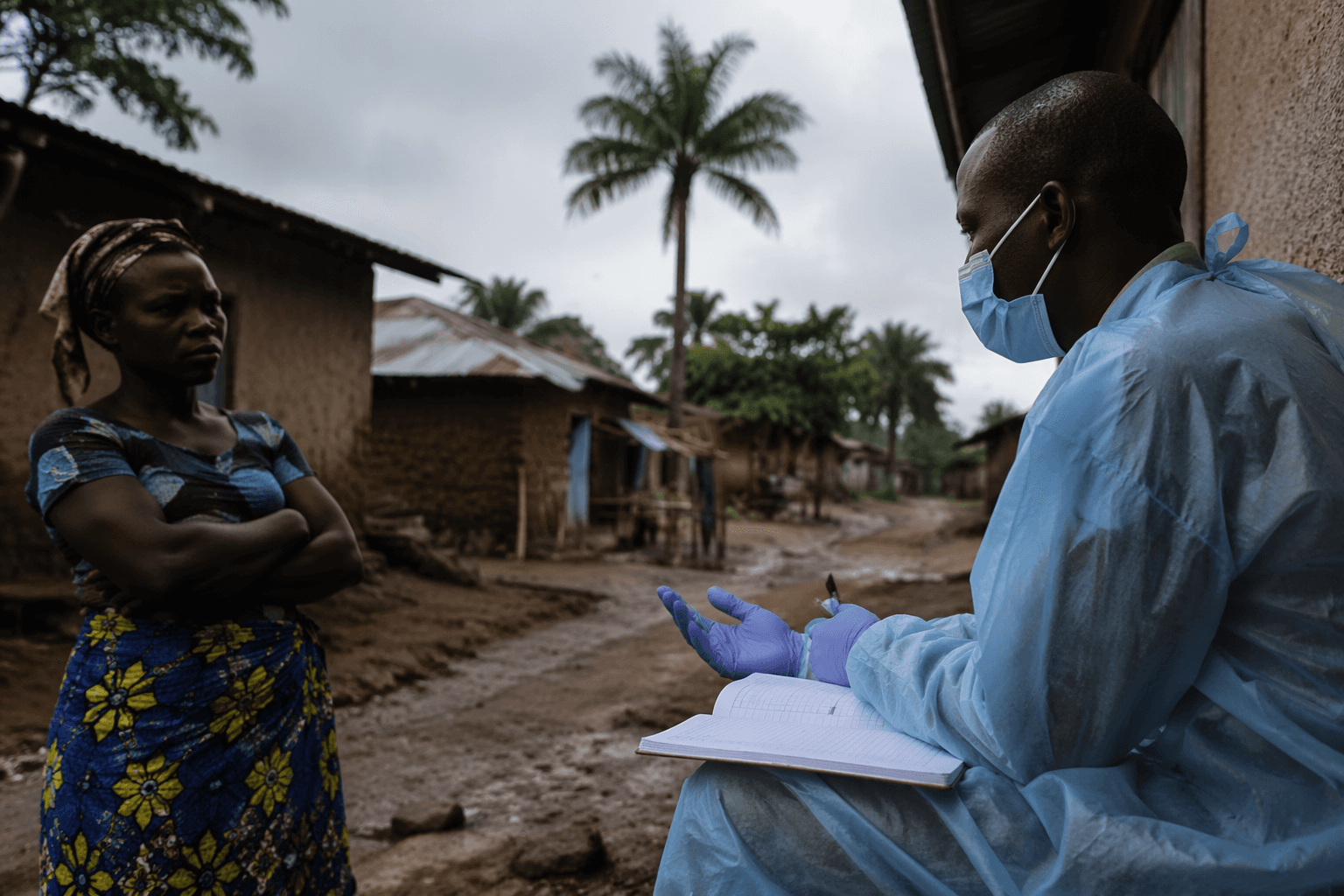
Health workers in eastern Congo still do not have a full picture of the Ebola outbreak’s scale, and that uncertainty is now part of the emergency itself. Violence, mistrust and access problems have left responders unable to track infections cleanly, slowing contact tracing, surveillance and treatment in a deadly outbreak that has already spread across a broad and insecure region.
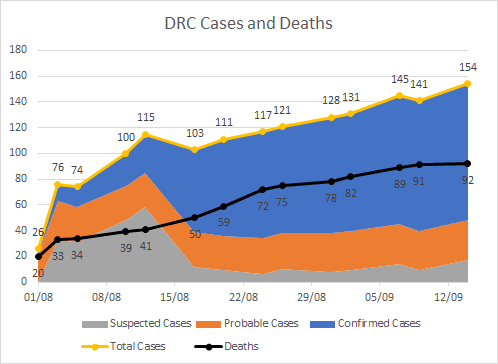
The Democratic Republic of the Congo Ministry of Health reported 782 confirmed cases and 181 confirmed deaths by June 14, while the World Health Organization had counted 515 confirmed cases and 91 deaths on June 6. WHO said the rise was partly driven by expanded testing and the clearing of a backlog of samples, a sign that the official toll has been catching up with a disease response that has struggled to keep pace with transmission. The government also said 359 people were hospitalized in isolation.
The outbreak is caused by Bundibugyo virus disease, and WHO says there is no vaccine or specific treatment for this species. Health officials have described the setting as especially difficult: a remote, densely populated area facing insecurity, humanitarian crisis conditions and heavy movement of people and trade. WHO has said infections were identified across a zone stretching from Aru in Ituri province to Miti Murhesa in South Kivu, about 1,000 kilometers apart, underscoring how hard it has been to map the spread.
The outbreak has also crossed into Uganda, where WHO reported imported infections and secondary transmission. The U.S. Centers for Disease Control and Prevention has said the risk to the American public remains low, but the regional implications are far from contained. The UN refugee agency said the first Ebola-related deaths in a displacement camp in eastern Congo were confirmed on June 12, raising the stakes in overcrowded settings where disease can move fast and health services are already stretched.
Public-health officials and aid groups have stressed that community engagement will determine whether the response can keep up. Human Rights Watch has urged responders to prioritize engagement and limit the role of security forces, reflecting a central challenge of this outbreak: the virus is moving through a landscape where surveillance is weak, trust is thin and the true extent of the crisis remains hidden.
This article was produced by Prism’s automated news system from verified source data, official records, and press releases, then run through automated quality and moderation checks before publishing. The system is built and supervised by the people who set the standards it runs under. Read our full AI policy.
Know something we missed? Have a correction or additional information?
Submit a Tip