Ebola outbreak kills dozens in remote Congo gold mining town
A gold-mining town in Ituri is watching Ebola spread through clinics and crowded mobility corridors, with 80 suspected deaths already reported.

In Mongbwalu, a remote gold-mining town in northeastern Congo, Ebola has moved through a setting that gives health workers almost no margin for error: insecurity, long distances, weak infrastructure and a dense flow of people and trade. By May 16, the World Health Organization said the outbreak in Ituri Province had reached 8 laboratory-confirmed cases, 246 suspected cases and 80 suspected deaths, after first being flagged on May 5 as a high-mortality cluster of unknown illness. Three days later, Tedros Adhanom Ghebreyesus declared it a public health emergency of international concern, underscoring how quickly a familiar virus can outrun the systems meant to contain it.
The strain driving the outbreak is Bundibugyo virus disease, a form of Ebola for which WHO says there is no licensed vaccine and no specific treatment, only supportive care that can still save lives. The agency said the event was unfolding in a remote and densely populated area with humanitarian strain, insecurity and heavy movement across communities and borders, while the CDC said the outbreak was concentrated in remote areas of the Democratic Republic of the Congo and Uganda and that the risk to the American public and travelers remained low. Health workers have also been drawn into the toll, a recurring sign that Ebola is exploiting the first weak point in the chain of care.
The crisis has revived memories of Congo’s last Ebola flare-up, which began in 2025 with a pregnant woman who arrived at Bulape General Reference Hospital on Aug. 20 and died five days later. WHO said that outbreak, declared on Sept. 4, 2025, ended on Dec. 1, 2025 after 64 cases and 45 deaths in Kasai Province, including five infected health workers, three of whom died. WHO said the outbreak spread early through hospital transmission and a high-transmission funeral gathering, a reminder that when detection comes late, Ebola can turn ordinary places of care and mourning into amplification points.
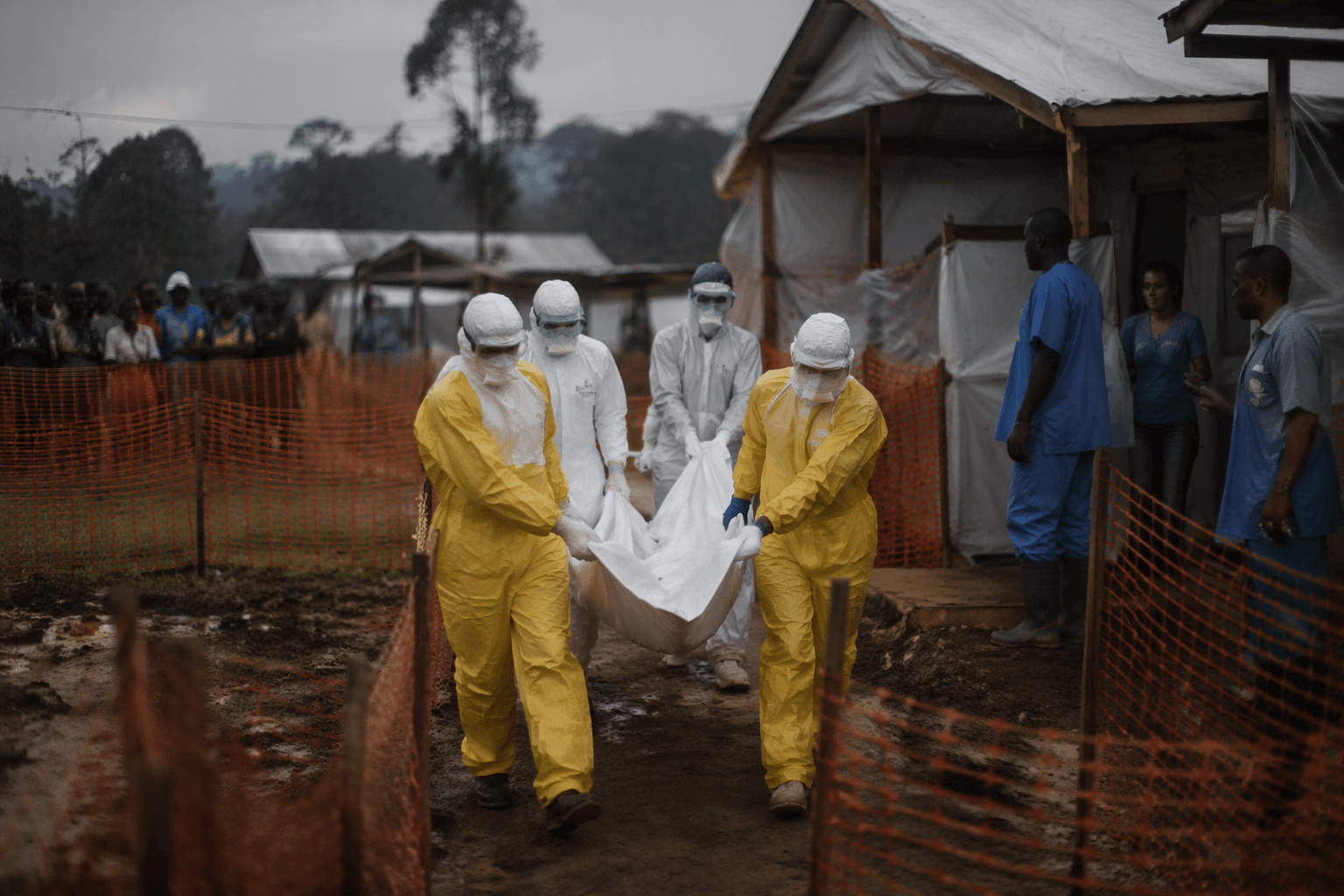
This year’s outbreak is another test of whether the world’s Ebola playbook still works where roads are poor, trust is fragile and people move constantly in search of work and safety. WHO and CDC have pointed to surveillance, contact tracing, clinical preparedness, community engagement and cross-border readiness as the main defenses, but those tools depend on reaching patients before the virus does. The CDC said this was the 17th recorded Ebola outbreak in Congo since 1976, a count that shows how often the same weaknesses reopen the door.
This article was produced by Prism’s automated news system from verified source data, official records, and press releases, then run through automated quality and moderation checks before publishing. The system is built and supervised by the people who set the standards it runs under. Read our full AI policy.
Did this article answer your question?