Ebola testing stalls in Congo as Bundibugyo outbreak spreads
Three Congo labs ran out of Ebola reagents as Bundibugyo cases climbed to 598, threatening isolation, tracing and safe burials across eastern provinces.
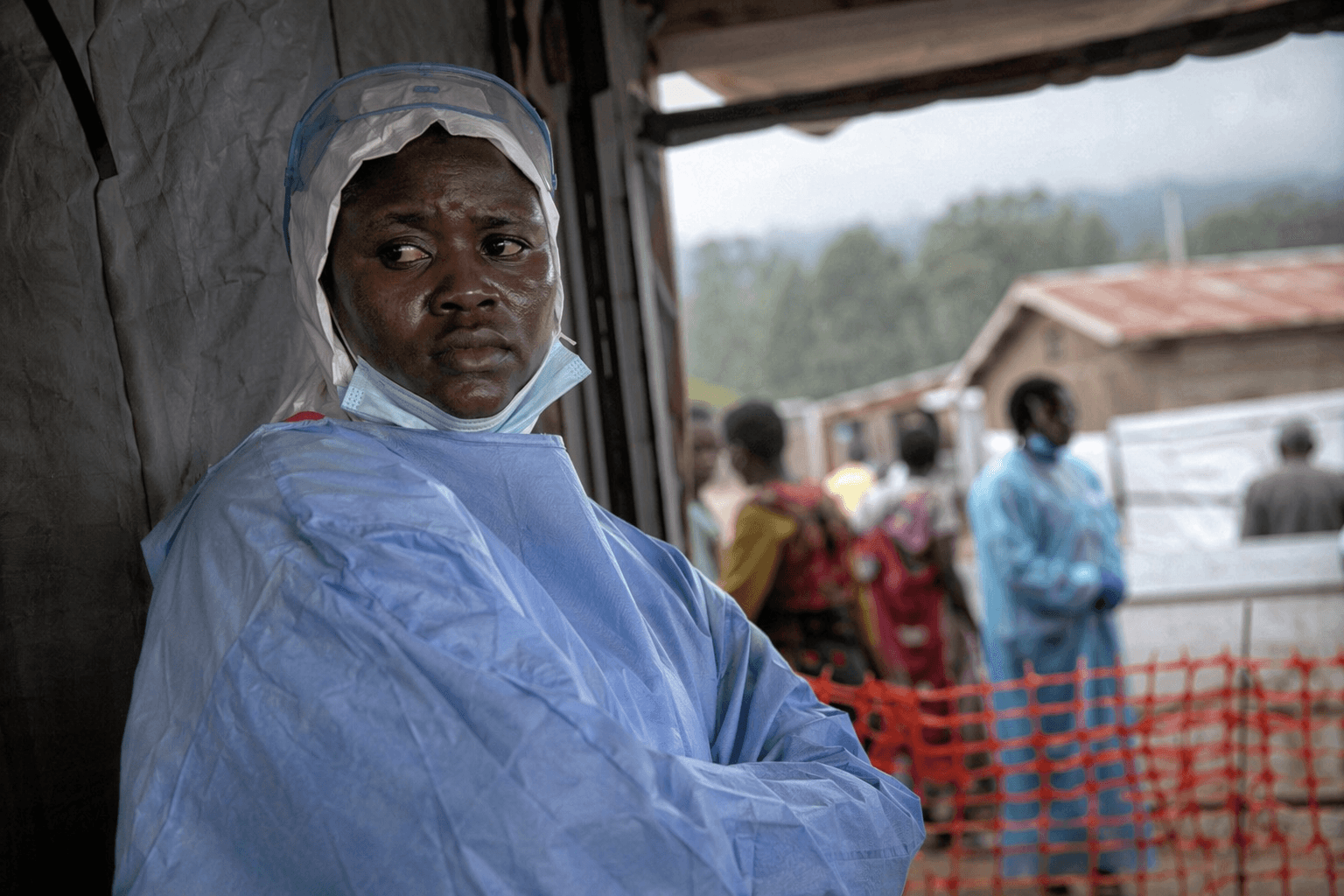
Three public laboratories in eastern Congo have run out of the supplies needed to test for Ebola, leaving Bukavu, Lwiro and Goma waiting for reagents as the Bundibugyo outbreak keeps spreading. The bottleneck is not abstract: every delayed result slows isolation, contact tracing and safe burial work in a region where insecurity, population movement and weak infrastructure already make response operations harder.
The World Health Organization said the labs in South Kivu and North Kivu had exhausted stock and needed new reagents before they could clear the backlog of samples. That matters because Bundibugyo virus is not detected by some of the most widely available Ebola tests, forcing health teams to move carefully at the start of the outbreak until specialized testing could be expanded. In practical terms, a shortage of supplies can give the virus extra time to move from household to household, and across the border into Uganda.
The outbreak was first confirmed on May 15, when Congo and Uganda declared Ebola disease caused by Bundibugyo virus after laboratory confirmation in both countries. WHO declared it a public health emergency of international concern on May 17 and convened the first meeting of its International Health Regulations Emergency Committee on May 19. By June 8 and 9, Congo had recorded 598 confirmed cases and 115 confirmed deaths, while Uganda had 19 confirmed cases and two deaths. Health officials said Ituri Province accounted for 94 percent of cases in Congo.
WHO said 5,040 contacts had been identified in Congo as of June 6, and by June 9 health workers had reached 62 percent of them. The agency also said 19 patients had recovered, a sign that rapid identification and treatment can save lives even in a deadly outbreak. Abdirahman Mahamud of WHO said the rise in confirmed cases was partly the result of expanded testing, with more decentralized laboratories opening, including a fully functional facility in Mongbwalu and a planned lab in Aru near the Ugandan border. He said samples from remote places can take up to 24 hours to reach a testing facility, compared with about one to two hours for patients in Bunia.
Jean-Jacques Muyembe, who heads the Institut National de Recherche Biomédicale, said testing capacity had improved and regional laboratories were increasingly able to deliver same-day results, but he warned that the wider response was still lagging, especially in community trust and engagement. The outbreak is Congo’s 17th Ebola outbreak since 1976 and its second involving Bundibugyo virus, which has no vaccine or specific treatment. WHO and Africa CDC have launched a six-month response plan running from June to November 2026 and seeking $518 million, while an American national working in Congo tested positive and was transferred to Germany for care.
This article was produced by Prism’s automated news system from verified source data, official records, and press releases, then run through automated quality and moderation checks before publishing. The system is built and supervised by the people who set the standards it runs under. Read our full AI policy.
Did this article answer your question?


