Ebola vaccine access has improved since deadly West Africa outbreak
Ebola is better prepared for now, but the world still depends on fragile health systems, limited budgets and fast political action when outbreaks flare.
A better toolbox, but not a finished defense
The world is no longer facing Ebola with the same empty arsenal that existed during the 2014-2016 West Africa catastrophe. Vaccines exist, access pathways are clearer, and global health agencies have built a stockpile meant to speed response when cases appear. But the core lesson of Ebola remains unchanged: outbreak readiness is only as strong as the weakest hospital, the weakest supply chain and the slowest political response.
What the West Africa outbreak changed
The 2014-2016 Ebola outbreak in West Africa was the largest since the virus was first discovered in 1976, and the World Health Organization says it was the seventh Ebola outbreak since discovery. It began in Guinea and spread to Sierra Leone and Liberia, ultimately causing more cases and deaths than all previous Ebola outbreaks combined. That scale exposed how quickly a lethal virus can outrun surveillance systems, overwhelm clinics and exploit gaps in public health coordination.
That disaster forced a rethink. Before then, Ebola response was mostly about containment after the fact. Since then, the global health system has tried to move upstream, pairing emergency response with vaccine development, prepositioned supply and faster coordination across borders and agencies. The result is not immunity from future crises, but a much better chance of stopping them before they become regional emergencies.
Vaccines moved from experimental use to formal approval
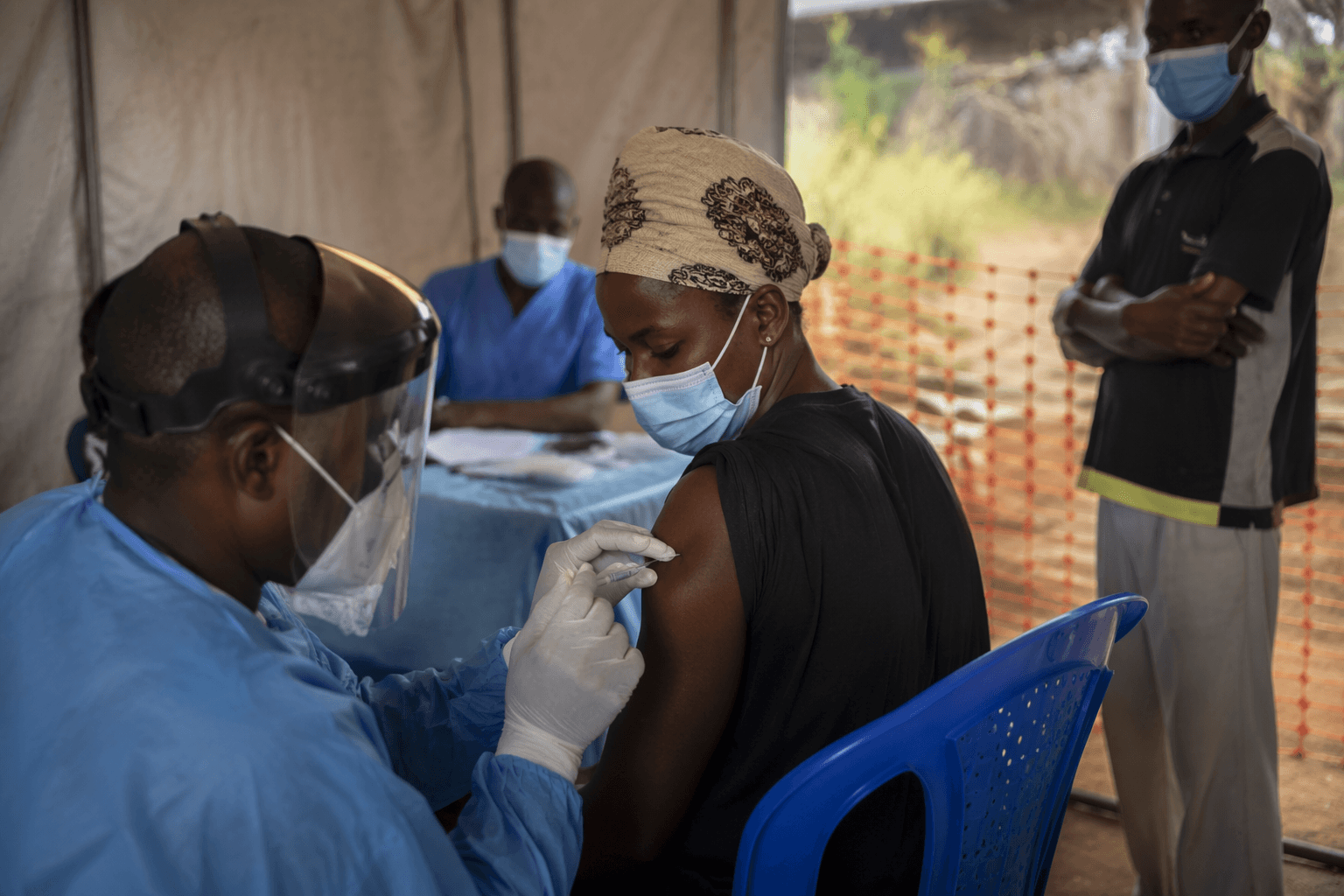
The biggest change is the vaccine landscape. WHO says the Ervebo vaccine was used under expanded access in 16,000 people in Guinea in 2015, during the last stages of the West Africa crisis. It was later used in 345,000 people during the 2018-2020 outbreaks in the Democratic Republic of the Congo, turning Ebola vaccination from a one-off emergency measure into a central part of outbreak control.
Regulatory milestones followed. WHO prequalified Ervebo on November 12, 2019, and called it the fastest vaccine prequalification process it had ever conducted. Just over a month later, on December 19, 2019, the U.S. Food and Drug Administration approved the vaccine for adults 18 and older to prevent disease caused by Zaire ebolavirus. The CDC says the vaccine is safe and effective, but it is only effective against one Ebola virus species.
That limitation matters. Ebola is not one single threat in every setting, and a successful vaccine against Zaire ebolavirus does not erase the need for surveillance, rapid testing and broader preparedness. Still, the difference between having a proven vaccine and having none at all is enormous. In outbreak terms, it can mean the difference between a contained cluster and a spreading emergency.
How access now works when an outbreak starts
The access system is also more organized than it was a decade ago. WHO says that in a confirmed outbreak, Ervebo can be accessed through the International Coordinating Group on Vaccine Provision. Preventive vaccination for health-care and frontline workers can be requested through Gavi, which matters because those workers are the first line of defense and often the first to be exposed.

That structure gives governments and response teams a clearer path than the improvised scramble seen during the West Africa outbreak. The point is not only to have doses, but to move them quickly, fairly and where they are needed most. The coordination between WHO, the International Coordinating Group on Vaccine Provision and Gavi reflects a broader shift in global outbreak management: speed, allocation and equity are now part of the preparedness model, not afterthoughts.
WHO also says the International Coordinating Group established an Ebola vaccine stockpile in 2021 to ensure equitable, rapid access during outbreaks. CDC reported that fewer doses have been used since then because there have been no large Ebola outbreaks. That is a sign of progress, but also a reminder that preparedness systems often look strongest on paper when the disease is quiet.
The remaining weaknesses are still serious
The uncomfortable truth is that better tools do not automatically produce better outcomes. WHO said in a 2025 disease-outbreak report on the Democratic Republic of the Congo that re-emergence of Ebola is a major public health concern and that gaps remain in the country’s capacity to recover, prepare for and respond to outbreaks. That warning is broader than one country. It describes the structural problem that still defines Ebola control across much of Africa.
WHO’s current Ebola guidance stresses that health systems in affected areas can remain fragile, underfunded and short of trained staff, essential medicines, diagnostics and cold-chain infrastructure. Those are not minor operational issues. They are the backbone of any outbreak response, and when they are weak, even a good vaccine strategy can falter. A stockpile is only useful if doses can be delivered, stored and deployed quickly. A field vaccination plan only works if laboratories can confirm cases, staff can trace contacts and clinics can safely treat patients.
This is why the preparedness scorecard remains mixed. On the plus side, the world has a licensed vaccine, formal prequalification, a clearer access route and a stockpile designed for rapid deployment. On the minus side, many health systems remain too brittle to absorb an Ebola shock without outside help. That imbalance is exactly why the virus remains such a dangerous test of global readiness.
The real measure of progress
Since the West Africa disaster, Ebola response has become more sophisticated, more institutionalized and much faster. The vaccine path now runs through expanded access, formal approval and organized distribution rather than improvised emergency use. WHO, the FDA, the CDC, the International Coordinating Group on Vaccine Provision and Gavi now form a more coherent defense than existed during the 2014-2016 crisis.
But the most important lesson has not changed. Ebola preparedness is not just a question of scientific success. It is a test of whether funding arrives before panic, whether surveillance catches flare-ups early and whether health systems can function under pressure. The world has genuinely improved since West Africa, but it has not eliminated the conditions that let Ebola return.
This article was produced by Prism’s automated news system from verified source data, official records, and press releases, then run through automated quality and moderation checks before publishing. The system is built and supervised by the people who set the standards it runs under. Read our full AI policy.
Did this article answer your question?


